New Partnership Between CIMAM and La Fábrica
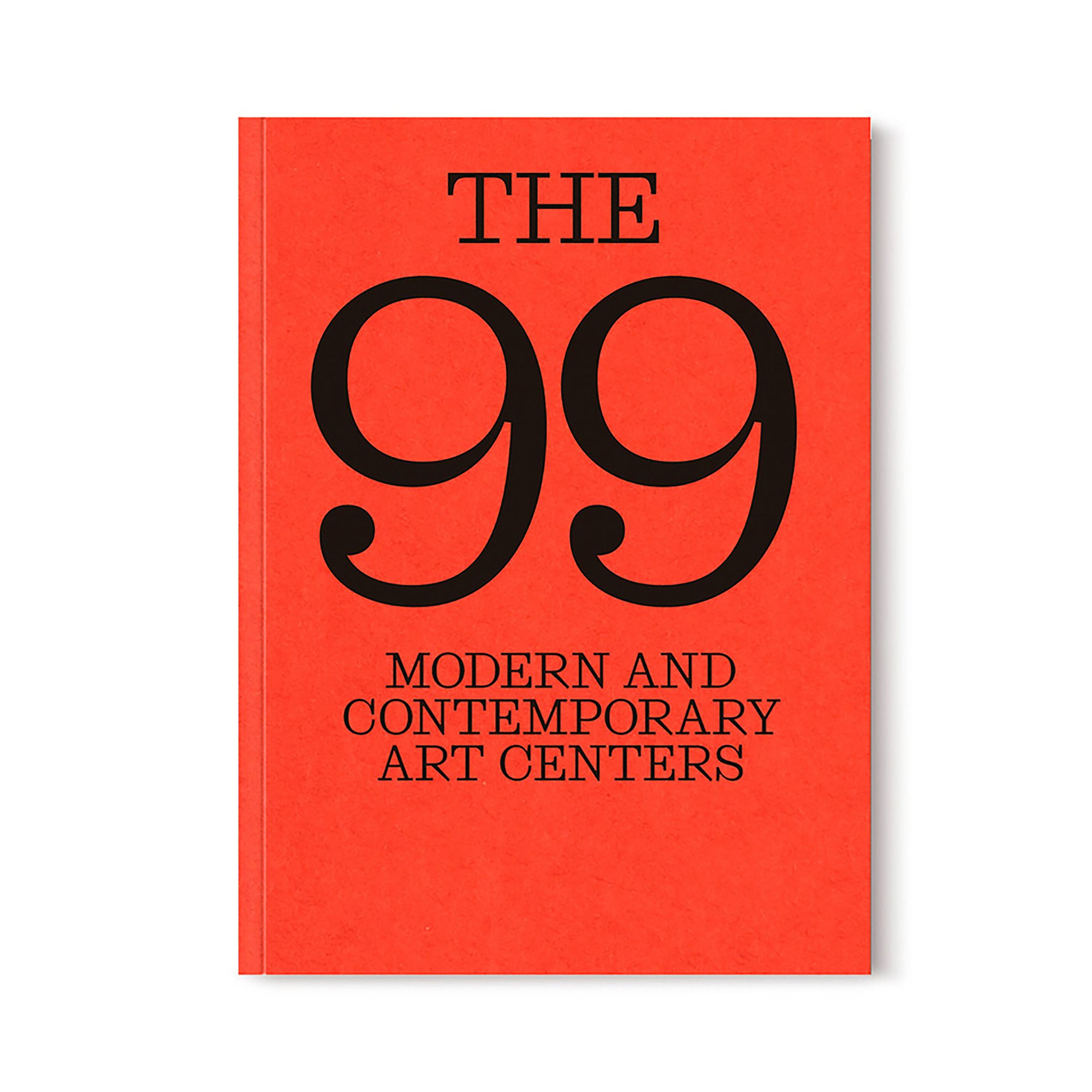
CIMAM and La Fábrica Editorial are pleased to announce a new publishing partnership that will offer CIMAM members a 20% discount on books published by La Fábrica.
Founded in Madrid, La Fábrica is one of Spain’s leading independent cultural publishers and platforms, internationally recognised for its commitment to photography, contemporary art, visual culture, and critical thought. Over the years, La Fábrica has developed an extensive catalogue that includes photobooks, artist publications, essays, exhibition catalogues, limited editions, magazines, and publications dedicated to contemporary artistic and cultural practices.
With a strong international distribution network and collaborations with artists, museums, curators, and cultural institutions worldwide, La Fábrica has become an important reference within the fields of contemporary art and photography publishing.
Through this new partnership, CIMAM Members will benefit from a 20% discount on the retail price of any book published by La Fábrica, on its online catalogue, providing access to a wide range of publications dedicated to artists, exhibitions, visual culture, and critical reflection.
To launch this collaboration, La Fábrica and CIMAM are pleased to highlight The 99. Modern and Contemporary Art Centers, an exhilarating journey through 99 modern and contemporary art centres worldwide that are shaping today’s artistic landscape.
Access the 20% discount in the Member's Only Section.
From renowned institutions to independent initiatives, this book maps a collective, diverse and truly global panorama. Edited by Marcella Ciacci, the selection was made by an international committee of 155 leading figures from the fields of art and culture across more than 40 countries.
The guide, written by journalist and art critic Ianko López, features a foreword by Thomas Rom and an afterword by Hans Ulrich Obrist. It also includes a chapter on the relationship between architecture and art, introduced by Vicente Todolí, along with interviews conducted by Brad Pine with five distinguished contemporary architects: Sumayya Vally, Kulapat Yantrassat, Frida Escobedo, Bjarke Ingels, and Ma Yansong.
We warmly invite all CIMAM Members to discover this publication and explore La Fábrica’s rich editorial catalogue, while enjoying the exclusive 20% discount on The 99 and many other titles through this new collaboration.
Take a look at the perspective and journey of Ianko López, as the author of The 99 Centers’ texts.
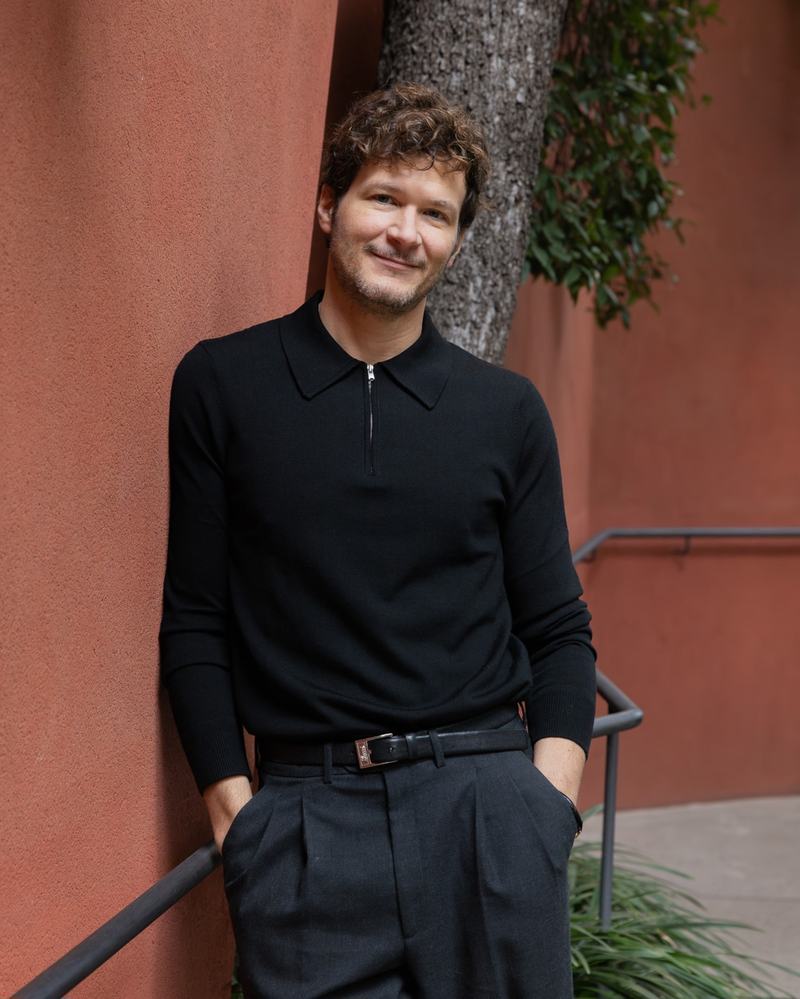
Writing the texts for The 99 was, from the outset, both a challenge and a source of immense satisfaction. Before embarking on the task, I must admit that it felt almost unmanageable: the goal was to capture the essence of each of these places in just a few lines without betraying their diversity and complexity—qualities that are intrinsic not only to these institutions but to artistic practice itself—and without falling into routine or formula. Fortunately, the process became its own reward. And the knowledge and perspective I gained along the way were enough to keep the creative engine running throughout.
One of the most important lessons I learned while developing the project was the realization that there is no single valid model for an art center. The wide range of approaches reflected in the book responds to the complexity and plurality of the global contemporary art landscape, which I believe emerges in a fairly natural way. Within this diversity of typologies, it is difficult to identify perfectly clear common features, but this should be understood as a strength rather than a limitation.
What does seem evident is that there has been a gradual departure from the museum’s traditional, more or less singular mission as a space for conservation and exhibition. Without abandoning these essential functions, art—and contemporary art in particular—is increasingly understood as a valuable tool for generating knowledge, fostering critical thinking, and encouraging public dialogue. To fulfil this role, institutions must engage audiences that are equally broad and diverse, a necessity of which they are becoming ever more aware. At the same time, there is a growing sense of responsibility toward the communities with which these institutions work. In many cases, those communities have played an active role in the creation and development of the center itself, which in turn helps strengthen social bonds and provide a shared horizon.
Actually, the success of an art center—regardless of its typology—should not be measured primarily by the growth of its collections or, certainly, by visitor numbers. More important than either of these are the relevance of the conversations it generates, the communities it activates, and its capacity to remain meaningful within contemporary society.
Across many of the centers included in the project, one can observe a number of shared concerns that transcend geographical context: the search for greater diversity of voices and perspectives, the questioning of dominant historical narratives, the need to develop more sustainable models—both economically and environmentally—and the effort to create more meaningful forms of engagement with audiences. As for regional differences, some broad patterns may emerge at first glance. In Europe, there remains a strong tradition of public service and institutional funding, while in North America the role of private philanthropy is more visible. In Asia and the Middle East, many institutions are closely linked to rapid processes of urban and cultural transformation. In Latin America, meanwhile, numerous projects have developed particularly innovative ways of engaging with their social and territorial contexts despite operating with limited resources.
Yet a closer examination quickly reveals that the picture is far more diverse than these broad distinctions suggest. Every type of model can be found in every geographical region, and reality cannot be reduced to such simple categories. What ultimately matters is that art centers, like any other cultural infrastructure, are genuinely embedded in their surroundings, responsive to them, and capable of fostering among local citizens a sense of belonging as well as both emotional and intellectual connections. In the most successful cases, the differences between institutions are as varied as the social environments in which they are rooted.
At the same time, the universal vocation of art cannot be denied. There is therefore a constant tension between local rootedness and universality, and it is precisely this tension that often gives art centers their distinctive value. The somewhat utopian idea of the universality of art has not disappeared, but it is now understood differently. In this new paradigm, it relinquishes the notion of a single, homogeneous language in favour of an ongoing conversation among multiple contexts and sensibilities.
On the other hand, from the moment I first learned about the project through Marcella Ciacci, Editor and Founder of The 99 —and even more so once I immersed myself in the process of writing it—I was certain that the book should not become a cultural travel guide, nor a reductive ranking of the “best museums” according to the criteria of an exclusive club. This despite the fact that, given the obvious constraints of its format, it necessarily had to present a limited selection of institutions.
I prefer to think of The 99 as a snapshot of the global contemporary art ecosystem at a moment of profound transformation. The diversity of the selected institutions itself precludes any single definition of what a contemporary museum should be. Indeed, providing such a definition was never the purpose of the book. Rather, The 99 reflects how many of the issues that concern museum professionals today are being addressed in markedly different ways across different parts of the world.
For this reason, I believe that CIMAM members—as well as any other readers who engage with the book—will find opportunities to establish connections between institutions that are often very different from one another and to reflect on the many ways in which museums and art centers can respond to a rapidly changing context. Above all, I hope they will find in these pages an invitation to join a broader conversation about the present and future of modern and contemporary art institutions, and about the role and relevance of art centers—and cultural infrastructures more broadly—in our societies.
The 99 will have achieved its purpose if its readers feel themselves involved in that dialogue.
Ianko López
(Author of the 99 Centers’ texts )
Additionally, Marcella Ciacci, founder and CEO of The 99, shared insights into the editing process for this book.
As I sit down to write this text—part excited, part intimidated—I am reflecting on the 99 Art Centers Contemporary and Modern Art book and how it came about. When I was conducting research for this book, I learned about CIMAM. I spent hours reading and learning about CIMAM’s values, mission, and program. Now, it’s a true honor to be able to share my humble story with CIMAM’s members.
When people ask me why I decided to edit this book, I immediately flash back to 1978. At eleven years old, my grandmother, Nonna, took me to the Metropolitan Museum of Art to see the Tutankhamun exhibition. My eyes were wide open as I stepped into the pyramid scenography and saw Tut’s golden mask in a glass case. I still remember what made my eyes open like golf balls: it was the mask, it was the light, it was the majesty of the Met, it was the learning—it was all of it.
My visit to the Met was the beginning of my longest love story, if not an obsession. I have pilgrimed around the world, alone and with company, to feel my eyes widen in wonder again and again. To experience the thrill of discovering, enjoying, and learning in art centers. In this book, I have defined art centers as foundations, museums, site-specific land art, sculpture parks, open-air museums, exhibition spaces, and installations that focus on modern and contemporary art. It has been no easy task to set these limits, since there are countless incredible art centers across the globe that deserve recognition—as we can see so clearly in CIMAM’s members directory.
Through my website we received a list of more than 625 art centers recommended by an international community of 155 figures, personally invited, within the art ecosystem—artists, curators, architects, museum directors, collectors, gallerists and thinkers—from more than 41 countries. From those recommendations, the 90 most frequently mentioned shaped the list presented in this book.
The other 9 were chosen as a geopolitical decision by my team so that the book could feature art centers from countries such as Palestine, Iran, Russia, Ghana, Uruguay, Morocco, etc. It was vital to provide our readers with a diverse, representative, and inclusive platform of art centers around the world.
Reading The 99, you will travel through the do, re, mi, fa, sol, la, and ti of a perfect symphony of art centers. Only 99. Of course, there are far more than 99 art centers in the world worthy of inclusion, and they will appear in future editions that we are already working on. We deliberately left the ‘obvious’ ones out. As I often say, you don’t need to buy this book to know you must visit the MoMA, the Tate, the Reina Sofía, or any other widely recognized institutions.
Because CIMAM’s members are at the very heart of the global museum ecosystem, your professional insight is invaluable to us. As we begin shaping the next edition of The 99, I invite you to add your expertise to our growing community of cultural, social, and intellectual leaders by recommending your own favorite art centers. If you would like to contribute your recommended Art Centers to this continuing journey, please feel free to reach out to me directly at Marcella.ciacci@the99.art.
With The 99, I want to share the thrill that art has given me time and again. Insatiable. Most often at no cost. It is a win-win relationship in which I always take away the best, and my heart beats with joy as I learn and discover. Art centers are the source of this emotion.I also want to point out that this edition is entirely artificial intelligence-free. I don’t say this out of pride, but rather in recognition of my team and myself, who spent countless hours researching, studying, and speaking directly with the art centers.
The book is spiced with intelligent and engaging interviews by Bradley Pine with today’s ‘Rat Pack’ of architecture: Sumayya Vally for the Middle East and Africa, Kulapat Yantrassat for Asia, Frida Escobedo for Latin America, Bjarke Ingels for Europe, and Ma Yansong for the United States. I have identified them with these regions, although they are the authors of some of the best and most interesting architecture around the world. We are also fortunate to feature texts by leading figures from the art world: the brilliant introduction to the interviews by Vicente Todolí, and, like the sweetest cherry on top, a contribution by Hans Ulrich Obrist.
It is a book to dream with, guided by the elegant texts of Ianko López, who leads you with fragments of information, clues, history, and even a touch of gossip about the art centers. You can open it from the back, or at any page, and you will still discover an art center you will want to visit. I must add that between Ianko and myself we have visited 75 centers of this list. So the texts have a touch of our personal experience either from him or from me. For the 24 we had not been, we would consult recommenders that had visited them.
My hope is to encourage people to travel around the world, or near home, in search of their own ‘golf ball eyes’ moments, and to share the immense joy that comes when art and art centers become the anchor of your journey.
To quote Robert De Niro:“Art is democratic. Art is inclusive and unites people. Art searches for the truth. Art embraces diversity.”Art seduces the human mind and kidnaps us, giving us the opportunity to understand the world and ourselves. Art helps us understand where we are, and why it matters. Art centers are the positive catalysts that support and stimulate art. I am deeply grateful to all of them, whatever their size, program, or focus. Their ultimate mission is to democratize art, and that is also the mission of The 99.
And here I come to the reason why writing this text is so intimidating. With great respect, I quote CIMAM’s vision: a world where “the contributions of museums, collections and archives of modern and contemporary art to the cultural, social and economic well-being of society is recognized and respected.” CIMAM’s members work with this vision daily, and I highly respect it. The 99 is just a very small grain of sand to collaborate in spreading the word around the world of art centers' invaluable work.
Marcella Ciacci (Founder & CEO, The 99.art)