From Dakar to Abu Dhabi: Notes on Museum Research
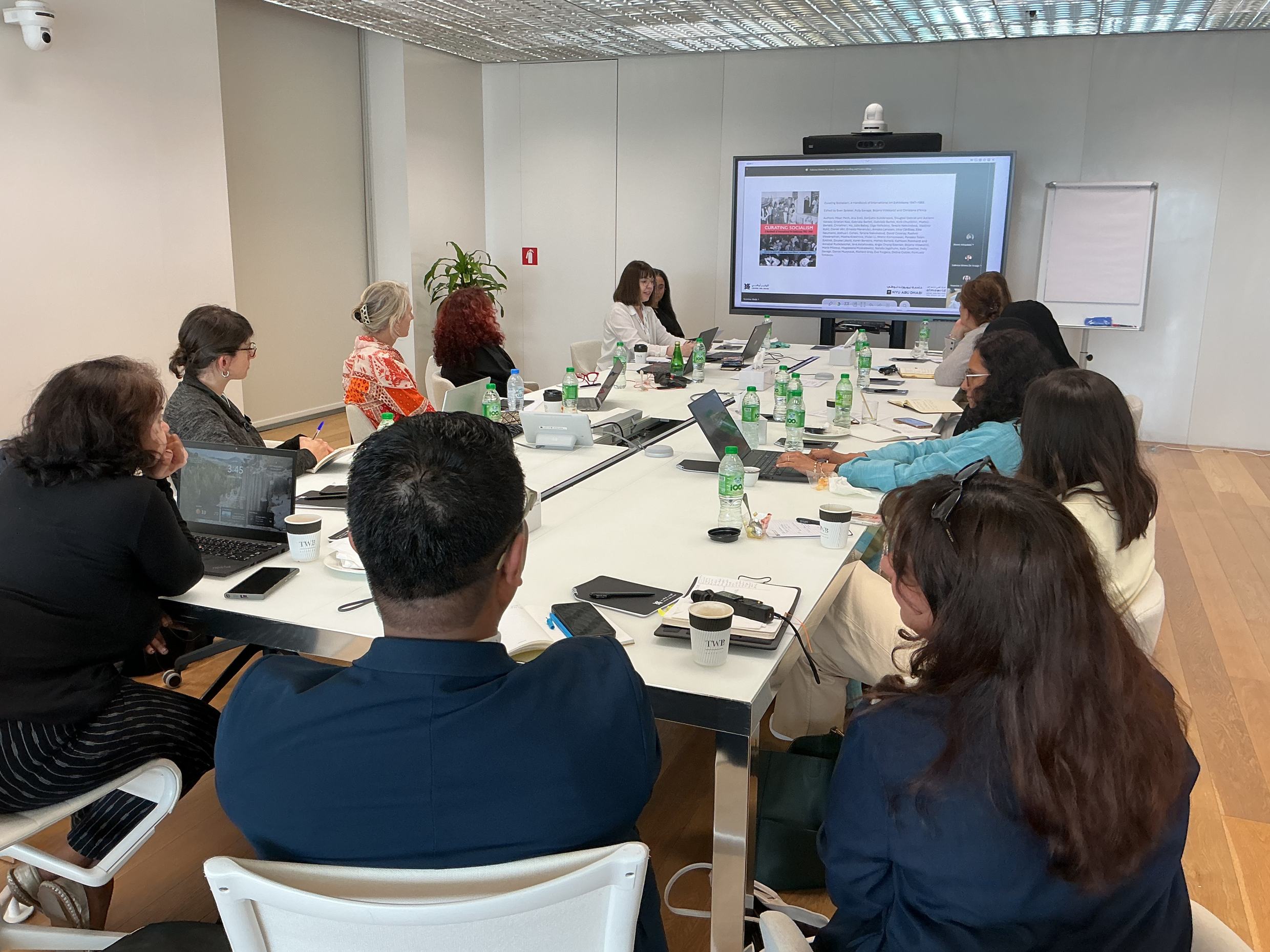
Article written by CIMAM member Sabrina Moura, Head of Research, Louvre Abu Dhabi, on the topics and ideas discussed during the CIMAM Connects Conversation Research as a Core Museum Practice.
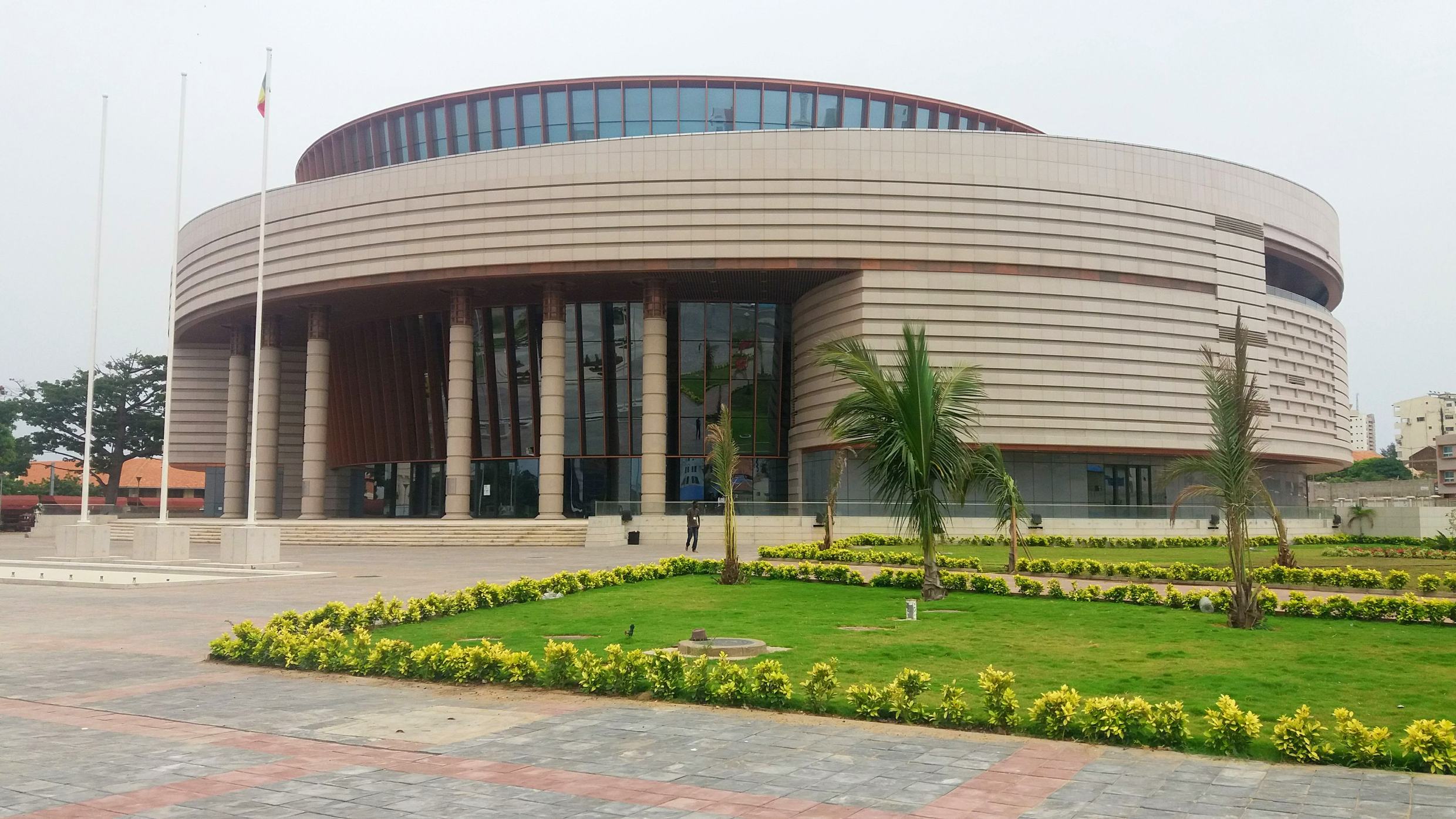
In September 2018, I traveled from Brazil to Dakar to take part in Condition Report 3: Symposium on Building Art Histories in Africa, organized by RAW Material Company, a few months before the opening of the Museum of Black Civilizations (musée des Civilisations Noires, MCN). There was a palpable atmosphere of excitement and anticipation. Conversations centered on the future of African museums, the role of collection-building across the continent, and the narratives that would shape new institutions such as the MCN.
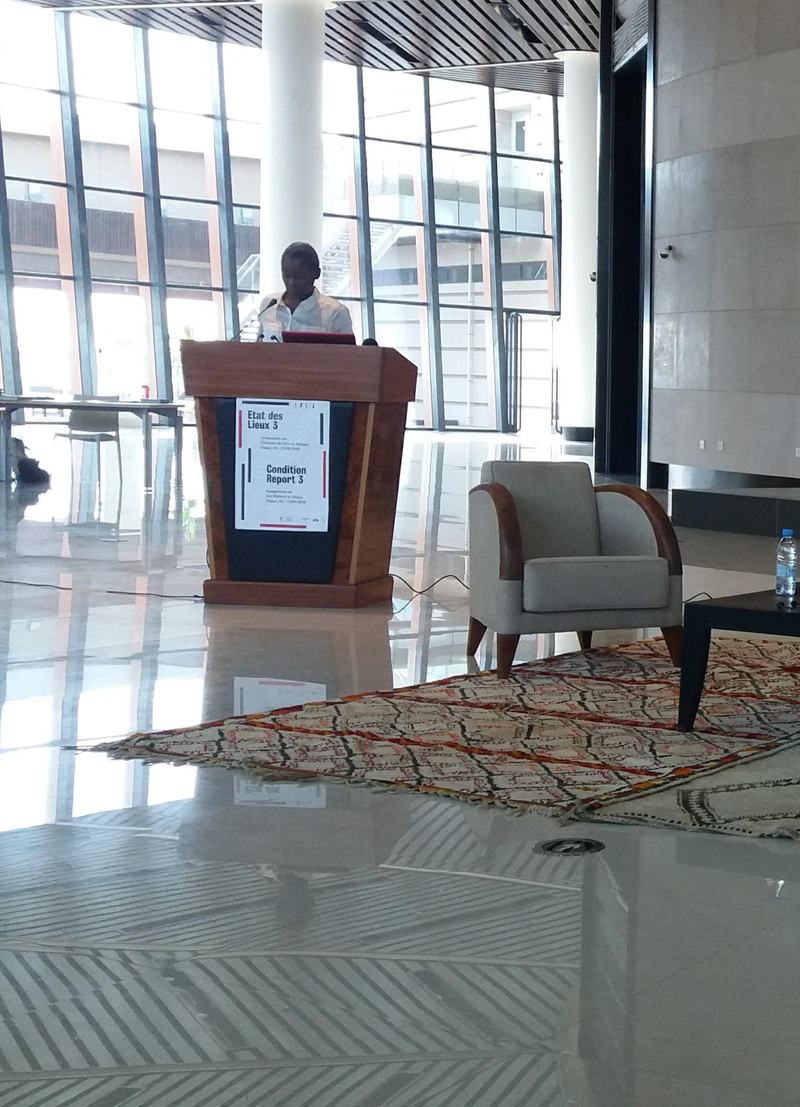
During the symposium's opening, the late Koyo Kouoh, founding director of RAW Material Company, offered a provocation that has since stayed with me. She invited us to consider how situated forms of knowledge might expand not only the artistic canon, but also our understanding of what counts as art in museum settings. By "situated," she meant modes of engagement attentive to context and ways of looking at African art that move beyond a strictly object-centered approach. The concept refuses the idea of a neutral viewpoint and recognizes that all knowledge is always produced somewhere, by someone, under specific conditions. Kouoh's intervention was, in this sense, an invitation to understand institution-building itself as an act of inquiry, and an opportunity to question what museums take for granted and to imagine other ways of producing knowledge.
Some years later, I joined Louvre Abu Dhabi with the task of developing a research program at an institution whose narrative is built around encounters between cultures, geographies, and distinct historical periods. The museum was entering a new phase, activating a significant research infrastructure built over nearly a decade, and seeking to transform those resources into a more visible and dynamic program. The questions that arose in this context echoed those I had encountered previously in Dakar. How do we understand research beyond the accumulation of encyclopedic knowledge about works of art, but as a creative and grounded practice capable of expanding the canon itself? What possibilities emerge when museum research develops in direct dialogue with objects, collections, and the spatial experience of the galleries?
These questions feel particularly important at a moment when research — understood broadly as an act of investigation and inquiry — is acquiring new significance in museological discourse. Yet despite its growing centrality, its meaning risks being confined to forms of academic production that only peer-reviewed publications, citation indices, or conventional systems of evaluation can measure. Some of the most significant research in museums, however, happens through processes that are difficult to grasp and even harder to quantify.
In Rethinking Research in the Art Museum (2019), Emily Pringle describes "research" as a term that can intimidate and exclude, even though many who hesitate to call themselves researchers engage in research activities every day. She identifies a hierarchy between Research with a capital R and research with a lowercase r: the former associated with institutionally legitimized work, grounded in collections and aligned with academic art history; the latter encompassing practice-based forms developed across museography, collections management, and educational roles, often without even being recognized as research at all[1]. This hierarchy organizes prestige and resources within institutions, determining who holds the authority to speak and in what registers.
Such distinction takes on new meaning in light of the broader understanding that curatorial practice has come to embrace in the last decades. Maria Lind has asked whether it is possible to speak of something called "the curatorial": a way of connecting objects, people, places, histories, and discourses in physical space[2]. This approach invites us to think with art, but also beyond it. The curatorial, in Lind's terms, becomes an active catalyst, generating connections, tensions, and new possibilities of interpretation. From this expanded perspective, research is not secondary to curatorial practice; it is constitutive of it.
Museums think with and through objects, practices, and publics. Their work begins with collections and archives, but it also emerges from encounters, conversations, and collaborations. If, as artist Luis Camnitzer wrote, "the museum is a school: the artist learns to communicate, the public learns to make connections," then this knowledge is also relational. It arises from the networks of people and questions that form around objects, conferring on them meaning.
At Louvre Abu Dhabi — and more broadly within the developing cultural ecosystem of the Saadiyat Cultural District and the wider Gulf region — these processes have deepened my understanding of museum research as a grounded practice. This is a context that brings together different research cultures, where perspectives from the Arab world, South Asia, Europe, Africa, and beyond coexist and intersect. Conservators, curators, and heritage scientists, trained in different academic traditions, frequently work side by side, bringing with them methods and ways of formulating questions that do not always fit the same box. The absence of a single tradition or reference model creates, without question, space for negotiation, experimentation, and, therefore, creativity to happen. Acknowledging this field of forces is precisely what makes research here both global and situated.
The growing presence of digital humanities and artificial intelligence adds a further dimension to these discussions. Museums now have tools capable of processing vast amounts of information, identifying patterns across collections, and broadening access to archives. These technologies will certainly transform aspects of museological research. Still, they also throw into sharper relief a distinction that has always been at the heart of museums' intellectual work: the difference between information and interpretation. No algorithm decides what a work means to a community. And the challenge is no longer whether museums should use these tools, but how to do so critically, without delegating the interpretive practices that demand ethical and intellectual commitment.
In the end, an important question remains: where and when does research happen in museums? Certainly in archives, libraries, and storage facilities. But also in conversations, in exhibitions, in encounters between different knowledge traditions — and in the tensions those encounters inevitably produce.
Footnotes:
[1] Pringle, Emily. Rethinking Research in the Art Museum (New York: Routledge, 2019), 17
[2] Lind, Maria. “The Curatorial.” Artforum. October 2009. Accessed June 3, 2026. Artforum article.
Biography
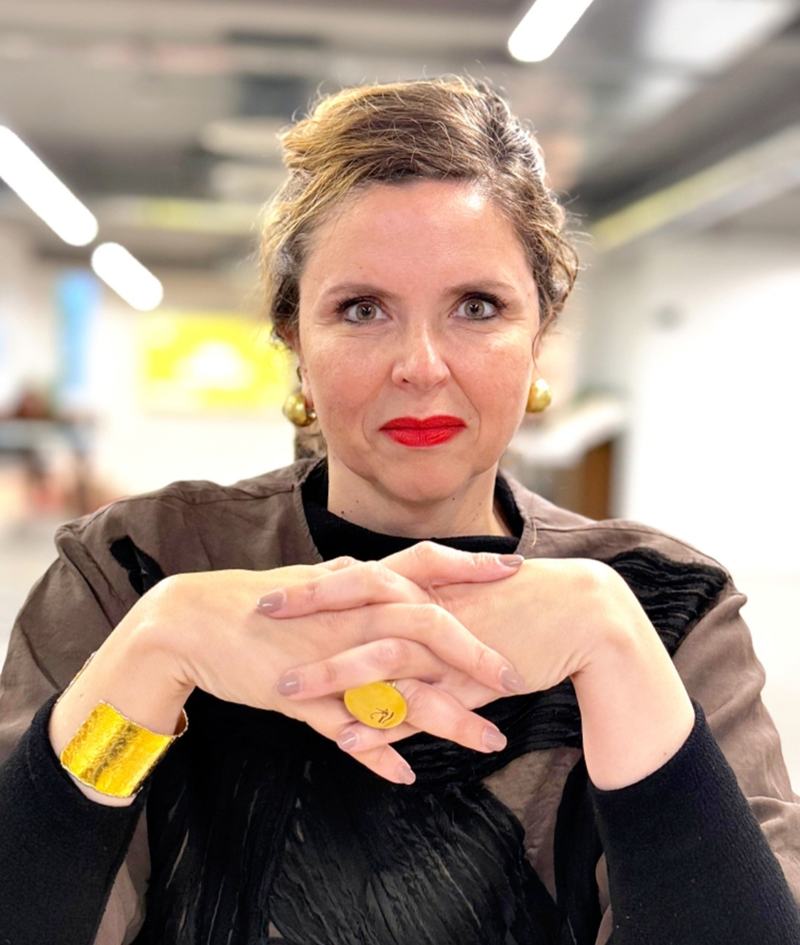
Sabrina Moura (Ph.D., Art History) is a Brazilian writer, researcher, and curator based in the UAE, where she heads the Research initiatives at the Louvre Abu Dhabi. She is also a Visiting Professor of Art History and Museum Studies at the Africa Institute / Global Studies University.
Her research focuses on networks of artistic exchange between Africa, Latin America, and the Arab world, as well as the intersections between historical archives and contemporary artistic practices. Before relocating to Abu Dhabi, she was a fellow at the Käte Hamburger Research Centre global dis:connect, where she developed the exhibition Travelling Back: Reframing a Munich Expedition to Brazil in the 19th Century, presented at the Zentralinstitut für Kunstgeschichte in Munich (2024).
She holds a Ph.D. in Art History from the University of Campinas (Brazil) and was a visiting researcher at the Department of Art History and Archaeology at Columbia University, supported by the Getty Foundation’s Connecting Art Histories program. In 2022, she conducted research in the collections of the Museu Nacional da República in Brasília, sponsored by UNESCO, which led to the curatorship of the exhibition Aqui Estou (2023).
Moura is the author of Arqueologia da Criação (2022), a study on the work of Brazilian artist Rossini Perez—founder of the first printmaking workshop in Dakar in the 1970s—and the editor of Southern Panoramas: Perspectives for Other Geographies of Thought (2015), a volume examining historical perspectives on artistic exchanges in the Global South. Her writings have appeared in Zeitschrift für Kulturwissenschaften, Stedelijk Studies Journal, African Arts, Critical Interventions, and Third Text Africa, among others.
Her research and curatorial projects have been supported by the Getty Foundation, Pro Helvetia, the Brazilian National Council for Scientific and Technological Development (CNPq), the Regional Council of Île-de-France, and the German Federal Ministry of Education and Research (BMBF), among others.