"Queer art belongs in public institutions as a vital part of contemporary art history".
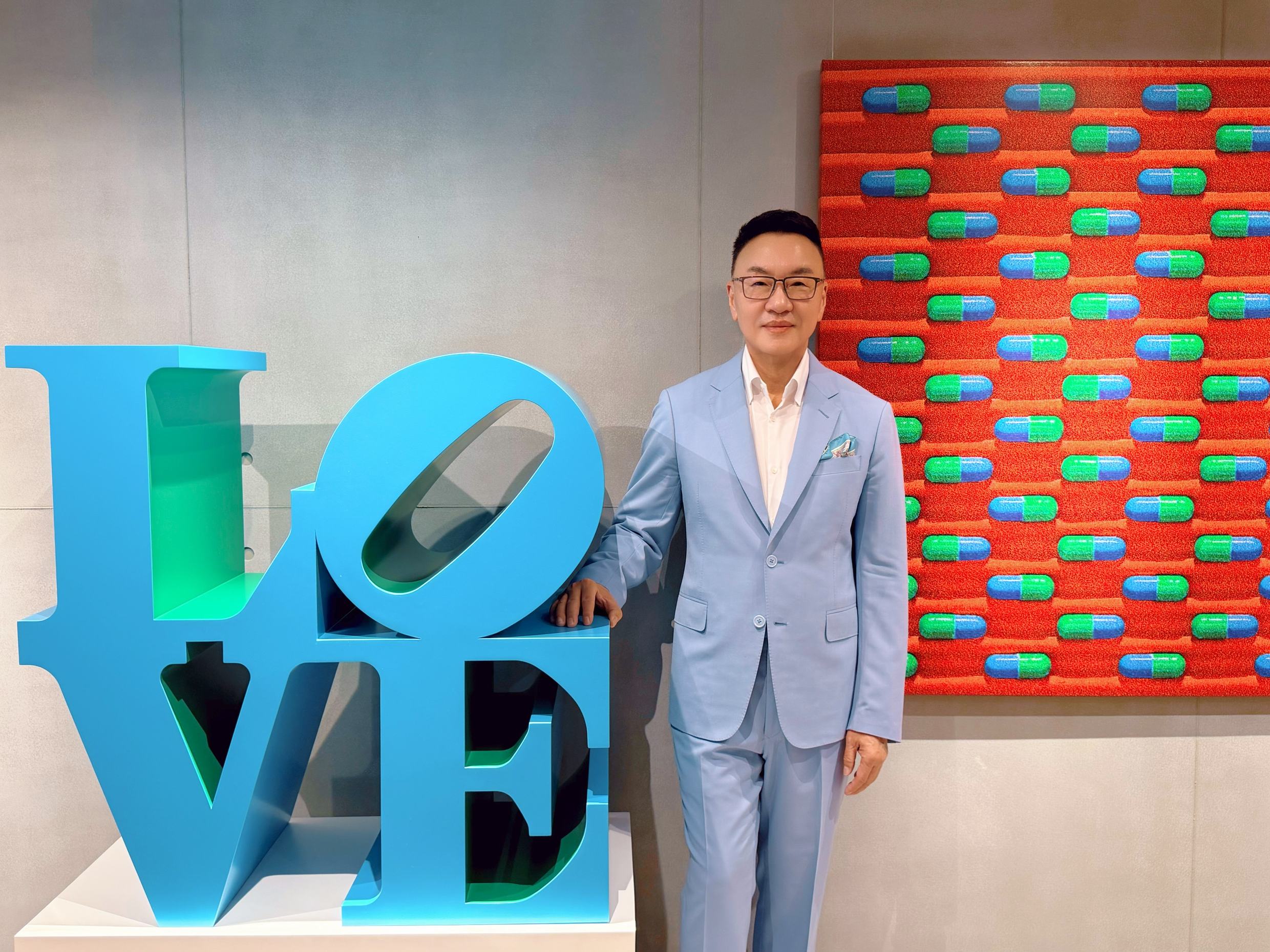
In this interview, Patrick Sun, founder of Sunpride Foundation and CIMAM Patron since 2023, reflects on more than a decade of championing LGBTQ+ artists across Asia. He discusses the impact of the "Spectrosynthesis" exhibition series, whose Seoul edition, co-curated by CIMAM Board member Sunjung Kim and Yongwoo Lee, concluded on 28 June, and shares what lies ahead as the series travels to the Museum of Contemporary Art Tokyo in February 2027.
Sun also speaks about why international networks like CIMAM are essential for museums navigating a time of growing social fragmentation, and how institutional collaboration can turn queer art from a special interest into a vital part of contemporary art history.
1) For more than ten years, Sunpride Foundation has championed LGBTQ+ artists while building a collection designed to be activated through exhibitions and institutional collaborations. Looking back, what impact do you think this model has had on museum practice and the visibility of queer art in Asia and beyond?
Looking back, our model proved that queer art belongs in public institutions—not as a special interest, but as a vital part of contemporary art history. In 2014, there were few precedents for LGBTQ+ exhibitions in Asian museums, and many thought large-scale institutional presentation was impossible.
By building a collection specifically designed to be activated through creative collaborations, we have helped validate queer art in the region. Partnering with public venues proved this work handles universal human themes with artistic excellence. This has created a ripple effect, inspiring museums across Asia to build more inclusive portfolios.
Another critical impact is our model of collaboration: by letting local teams lead the curatorial vision, we demonstrate that these conversations are not an outside imposition. Instead, rooted in local contexts, they become organic expressions of each community's own cultural life—building a natural bridge between the queer community and the general public.
2) Since our last conversation, Sunpride Foundation has continued expanding the "Spectrosynthesis" series, with its Seoul edition having just concluded on 28 June, and Tokyo already announced for 2027. Looking back, what do you think this project has achieved beyond the exhibitions themselves?
Beyond the exhibitions themselves, Spectrosynthesis has built something far more lasting: a network of relationships and a growing body of scholarship. Together with press reviews and essays, the catalogue each iteration produces helps document queer art histories in ways that didn't exist before—archiving fragments, recovering erased narratives, and creating a vital record for future researchers. I also believe this series has given real courage to artists working in places where queer expression remains difficult.
In Seoul, working with Art Sonje Center perfectly demonstrated what happens when an institution takes true ownership of a project. The conversations that emerged among artists, curators, and audiences extended far beyond the gallery walls.
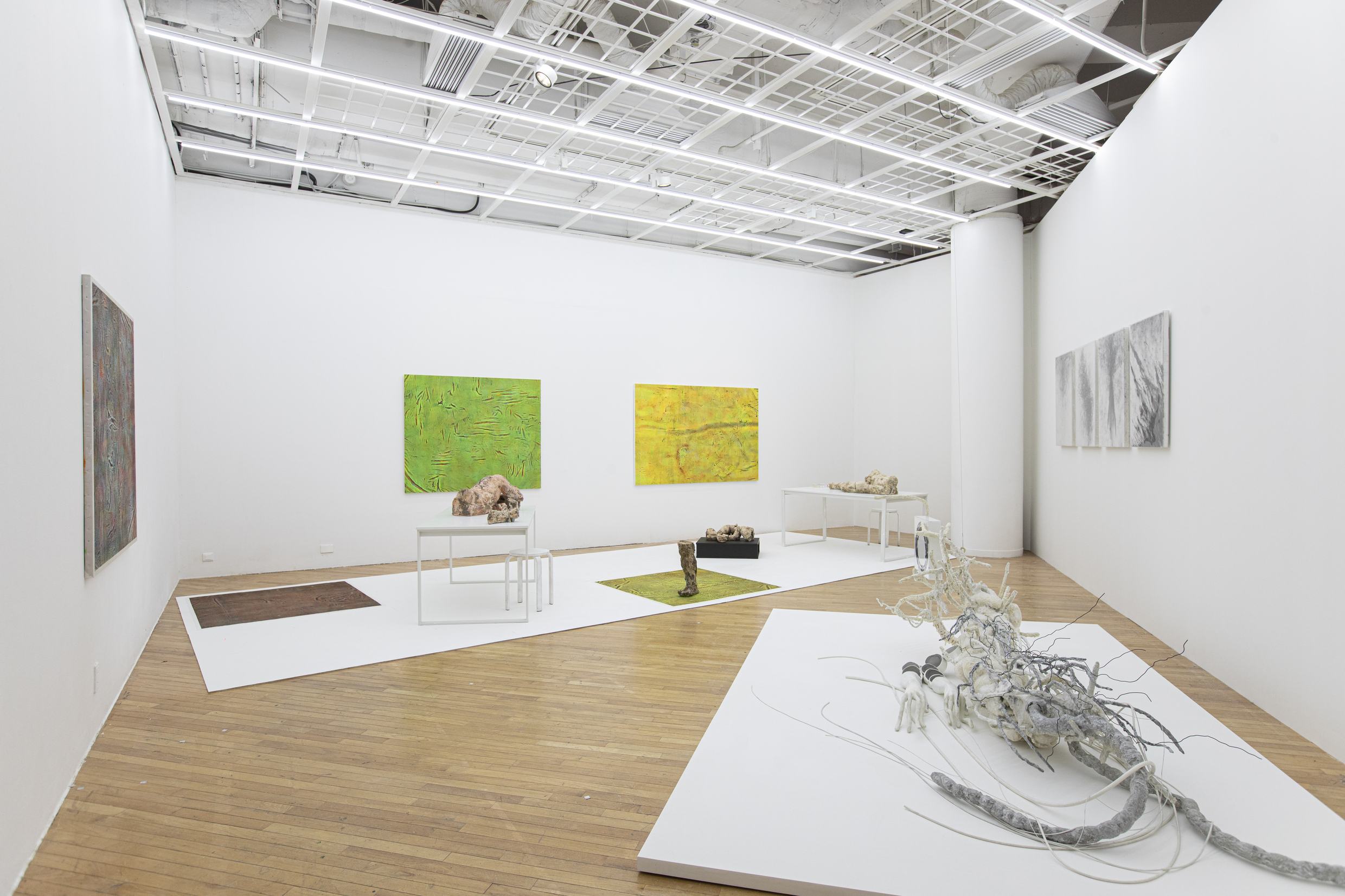
3) Spectrosynthesis Seoul was co-curated by CIMAM Board member Sunjung Kim and Yongwoo Lee, bringing together artists from different generations and, for the first time, includes artists beyond Asia. How did you balance remaining rooted in Asian perspectives while opening the conversation to a broader international dialogue?
The decision to open Spectrosynthesis Seoul to an international dialogue was a brilliant response by the curators to Seoul's cosmopolitan nature. Their curation ensured that bringing in non-Asian artists never diluted the exhibition's focus. Instead, they used global perspectives to show that while queer struggles are locally specific, the underlying human experiences are universal.
Sunjung and Yongwoo masterfully kept the exhibition firmly rooted in Korean perspectives—nearly 50 of the 74 artists they selected were Korean. They brought in international figures like Mark Bradford, Etel Adnan, Robert Rauschenberg, and David Wojnarowicz to coexist within the space, allowing different generations and backgrounds to reinforce one another. It was their curatorial vision that proved that when you look past labels, excellent art naturally connects us through shared human themes.
4) Sunpride Foundation became a CIMAM Patron in 2023. What motivated you to support an international museum network, and why do you believe organizations like CIMAM are important for the future of contemporary museums?
No single collector, foundation, or museum can shift global cultural perspectives alone—it requires robust institutional frameworks and cross-border cooperation. CIMAM's mission to foster dialogue, ethical leadership, and sustainability aligns with our work at Sunpride Foundation, creating vital platforms for genuine exchange. In a time of growing social fragmentation and increasing pressure on cultural institutions, international solidarity is essential.
CIMAM's programs actively support museum professionals facing critical situations on the ground while spreading best practices globally. By supporting CIMAM, we champion the broader museum ecosystem that makes ambitious, non-mainstream institutional exhibitions like Spectrosynthesis possible.
5) Looking ahead, what are the next priorities for Sunpride Foundation? Are there new areas of research, collecting, or institutional collaboration that you would like to explore?
Looking into the future, our core priority remains keeping the momentum of the Spectrosynthesis series alive, with the next iteration opening at the Museum of Contemporary Art Tokyo in February 2027. Beyond that, we want to bring the series to other Asian cities, with our focus remaining on expanding institutional collaborations to elevate the visibility of the LGBTQ+ community across the region.
In terms of collecting, we are paying closer attention to younger artists and to voices that have been historically underrepresented within queer art, including transgender and non-binary artists. We want to ensure our collection truly reflects the diverse spectrum of the contemporary queer experience.
We also plan to deepen our archival and research work while actively exploring virtual engagements. While nothing compares to experiencing art face-to-face in a physical museum, sharing our exhibitions digitally allows the wealth of queer art history we compile to reach audiences in more conservative regions—especially where physical exhibitions still face steep religious, political, or logistical challenges.
For further details on "Spectrosynthesis Seoul," which brought together over 70 artists at Art Sonje Center from March to June 2026, read Sunpride Foundation's press release here:
Learn more about the Spectrosynthesis Seoul