National Museum of Modern and Contemporary Art, Korea (MMCA)
The institution's main areas are: Exhibition, Collection, International Exchange, Education, Research.
About MMCA
Since its foundation in 1969, the National Museum of Modern and Contemporary Art, Korea, also known as MMCA, has shared its history with that of Korea’s modern and contemporary art and became one of the most iconic cultural spaces in the nation.
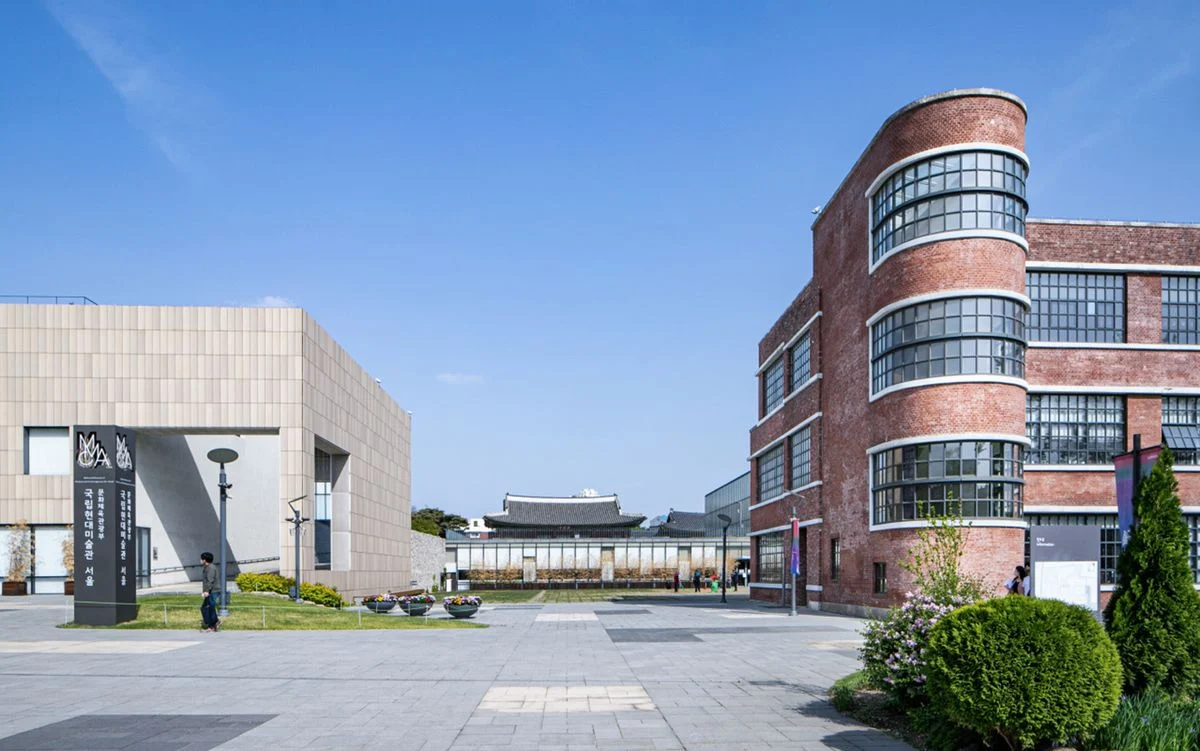
By opening additional museums in Gwacheon in 1986, Deoksugung in 1998, Seoul in 2013, and Cheongju in 2018, we have four major establishments that are unique and organically affiliated. For instance, MMCA Deoksugung places priority on early modern Korean art, expanding its coverage to calligraphy and literature, and MMCA Seoul represents Korea’s modern art and features an integration of contemporary art.
While MMCA Gwacheon focuses on art research and family activities, covering the breadth of art history from architecture to crafts, prints, and design and offering children’s programs, MMCA Cheongju has established a system of storage, research, conservation, and exhibition that comprises the life cycle of collections.
Connect with the Director, Curatorial, and Collection staff by browsing CIMAM’s Membership Directory in the Members Only section.