Khanyi Mawhayi
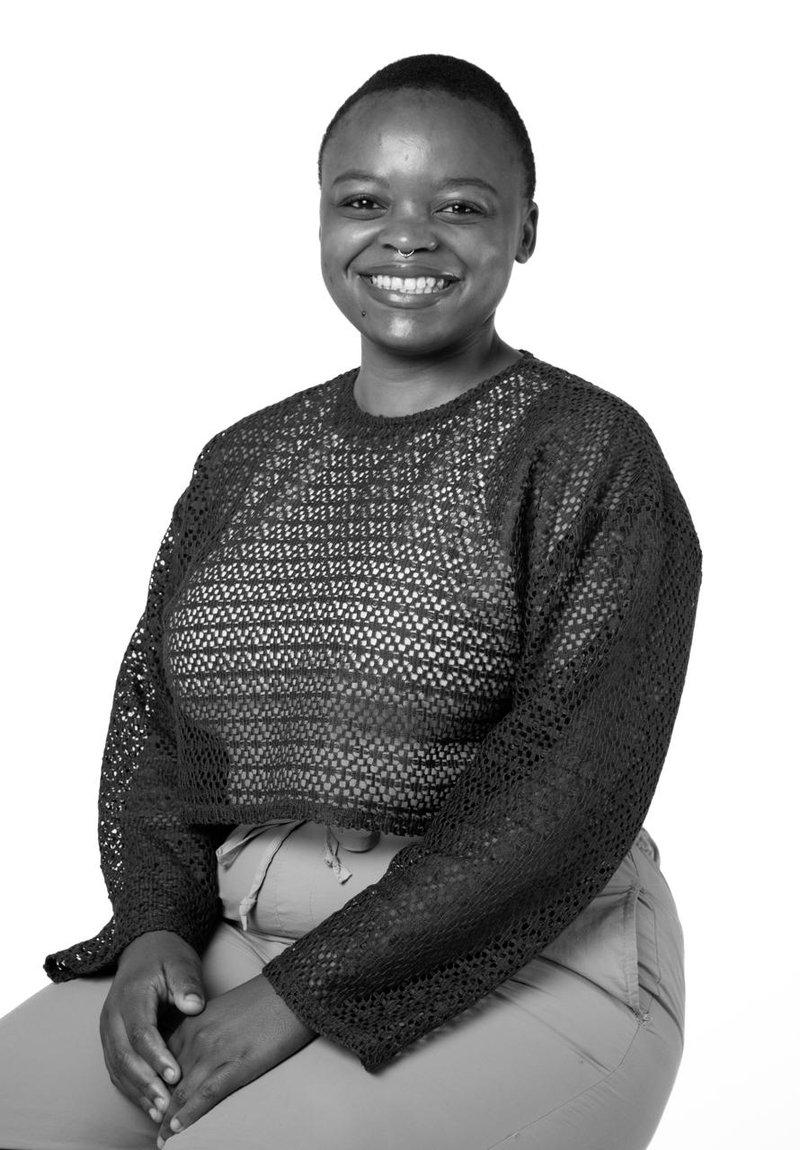
Conference Report. December 2025
Attending the 2025 CIMAM Conference as one of 39 Travel Grantees was a significant and illuminating experience. The conference’s participatory format proved particularly valuable, as both its successes and limitations offered insight into emerging approaches to museum practice, especially when considering alternative models relevant to contexts beyond Europe and North America.
As Getty Foundation grantees, participants were invited to begin the program a day earlier with visits to artists and curators working in Turin. The presentation by the Almare team was especially invigorating, demonstrating what collaboration, experimentation, and a sustained focus on underserved communities can produce. Their critiques of festival culture and music-based gatherings have resulted in formats that are both inclusive and dynamic. Of particular interest was the discussion around outsourcing museum programming as a way to support curatorial teams while meaningfully engaging multiple communities who may not be reached by more traditional models of museum-going.
The studio visit to Cripta747, featuring four artists in residence at the time, was similarly refreshing. The rapid, rotating format of the visits—moving from one artist to the next in fifteen-minute intervals—echoed the structure of art school critique sessions. Each artist’s practice offered a distinct perspective on what it means to work as an artist within Western contexts today.
Day 1
Doing Less vs Doing Differently
Chus Martínez’s opening remarks posed a critical question regarding the purpose of conferences such as CIMAM: what is ultimately gained by gathering cultural workers from across the world to speak, listen, and exchange ideas? This question framed much of the conference experience, particularly for those attending such a large-scale international gathering for the first time. While motivations for convening may vary, the most compelling purpose articulated was the recognition of shared challenges and the pursuit of actionable strategies to address them collectively.
Françoise Vergès’ contribution echoed this urgency, emphasizing the necessity of action—even acts as elemental as breathing—at a time when life-sustaining systems themselves are under threat. Whether the response is to do less or to do differently, the imperative remains to act.
The breakout session focused on curatorial overproduction, institutional saturation, and shifting audience expectations. Discussions centered on the tension between financial and human resources and the ambitions of museums. A shared concern emerged around engaging younger audiences—from children to teenagers—as a long-term investment in future publics, while also drawing in parents and caregivers. Participants acknowledged the importance of not assuming that museum audiences share the same level of investment as cultural workers, and the need for programming that meets audiences through activations that resonate with their lived concerns.
Museum visits that day focused on contemporary institutions, with a highlight being GAM and the opportunity to encounter Davide Sgambaro’s work in situ, following an earlier meeting during the Cripta747 studio visits. His subtle interventions were rendered even more impactful through prior contextualization by the artist.
Day 2
Mapping Desires
The second day proved emotionally demanding. The option to visit the Egyptian Museum in Turin—home to one of the largest collections of Egyptian artefacts outside Egypt—prompted reflection on questions of context, extraction, and representation. Although the visit was declined, passing the museum en route to the conference venue revealed a mime performer styled as Tutankhamun, an encounter that underscored the discomforting commodification of African histories already displaced from their origins.
Elizabeth Povinelli’s keynote offered a critique of empathy and hope, concepts often mobilized within Western institutional frameworks. While critiques of empathy are familiar, her interrogation of hope introduced a more complex provocation. For those operating under conditions of ongoing oppression, hope and empathy remain essential guiding forces. Povinelli’s observation that the conference would oscillate between hopeful and less hopeful moments became increasingly resonant as the day unfolded.
The subsequent presentations by Rustom Bharucha, Azu Nwagbogu, Karen Archey, Francesco Manacorda, Alessandra Ferrini, and Onome Eke offered a necessary reprieve. Bharucha’s reflections on a museum for brooms that resulted in a stream of fresh waters from the monsoon; Nwagbogu’s lesson that “Everything Precious is Fragile”; Archey’s articulation of joy in curatorial practice; Manacorda’s framing of friendship as an institutional model; Ferrini’s recentering of artistic research; and Eke’s speculative thinking drawn from children’s animation collectively mapped not only desires but journeys toward alternative futures. These contributions affirmed the possibility of new worlds emerging within systems marked by constraint. A brief pause shared over gelato with fellow travel grantees provided an additional moment of respite. Visits to more traditional museums followed. An incident of racial profiling cast a shadow over the remainder of the afternoon.
The subsequent visit to the Oriental Museum was experienced under this weight, limiting engagement with the galleries until encountering Chiharu Shiota: The Soul Trembles. The exhibition proved deeply moving, capturing grief and terror with profound sensitivity. At Castello di Rivoli, Enchanted Castle offered generative ideas for exhibitions aimed at younger audiences, particularly in light of earlier breakout discussions.
Day 3
Transactions and Transmission: Tactics of Togetherness
Marianna Mazzucato’s keynote was a highlight of the conference. She addressed the persistent challenge faced by cultural workers: translating the widely understood socio-political value of arts and culture into economic terms legible to policymakers. Her argument made clear that culture, climate, and the economy are deeply interconnected, and that governments must recognize and value the contributions of arts and culture within economic frameworks. She called for coordinated, mission-driven efforts—comparable to those that enabled the first moon landing—to address the crises of the present. Her role as Special Representative of President Cyril Ramaphosa to the 2025 G20 Taskforce on Inclusive Economic Growth, Industrialization, Employment, and Reduced Inequality offered a hopeful note for the South African context.
The final breakout session examined the accessibility and production of curatorial texts in museums. Though brief, the discussion underscored the many layers and obstacles involved in transmitting curatorial intent to audiences. Language emerged as a critical factor in broadening access and enabling diverse publics to engage meaningfully with institutional ambitions.
Ultimately, the conference was an enriching experience. I met colleagues from across the globe and those closer to home whom I had not been able to engage with. I am excited to experience the conference in Zimbabwe, and I take many lessons to the museum back home.
Biography
Khanyi Mawhayi studied for a Bachelor's in Fine Arts from 2017 to 2020, and during those years, was a founding member of the BLVCK BLOCK collective, which supports young artists through residencies and exhibition making. She assisted South African artist Tracey Rose in her capacity as Studio Master for the Kampala Biennial in 2020. She then joined the Bag Factory Studios in Johannesburg as Project Assistant Intern from September 2020 to January 2021.
She began working at the Zeitz Museum of Contemporary Art Africa (MOCAA) as a Curatorial Assistant in September 2021, and has assisted on multiple solo and group exhibitions, including the seminal exhibition When We See Us: A Century of Black Figuration in Painting. In 2023, she served as project lead for the experimental Atelier programme, which invites a Cape Town-based artist to take part in an eight-month residency. The artist-in-residence was Unathi Mkonto, and she organised the programming around the exhibition, which included a reflexive conversation between the artist and their former architecture lecturer; an activation with guitarist Mpumelelo Mcata; and a multidisciplinary learning programme with art, architecture, and fashion students.
She is currently enrolled at the University of the Western Cape studying for a Master of Historical Studies, and her thesis is focused on the Johannesburg Biennial. She is also curating an exhibition at Zeitz MOCAA titled A Protea is Not a Flower, which is an intergenerational conversation between South African Modernist artists and writers as well as contemporary artists, set to open in October 2025. In 2025, she was nominated and now serves on the Employment Equity Committee of the Museum, which works to ensure that the institution remains fair in its employment practices and cultivates an inclusive work culture.
Khanyi Mawhayi, Curatorial Assistant at Zeitz Museum of Contemporary Art Africa in Cape Town, South Africa, has been awarded by the Getty Foundation.