Bergen Kjøtt Foundation
Bergen Kjøtt is a creative workplace and a production house & cultural center in Bergen.
Bergen Kjøtt is one of the most important cultural centers and hubs for music and art production in Norway, where interdisciplinary cultural production, innovation, learning and collaboration can sprout, grow and inspire. Bergen Kjøtt is unique in its appearance as it is located in a former production factory for butter, margarine and later meat, built in the 1900s.
Bergen Kjøtt is owned and operated by the Bergen Kjøtt Foundation. The Bergen Kjøtt Foundation is a non-profit foundation that works to make Bergen Kjøtt an accessible hub in Bergen. We support an experimental, diverse and inclusive cultural environment - both on stage and behind the scenes.
Name of the practice nominated: GRIP
Describe the practice, program, or project, what innovative approach is proposed, and in which core museum activities it applies:
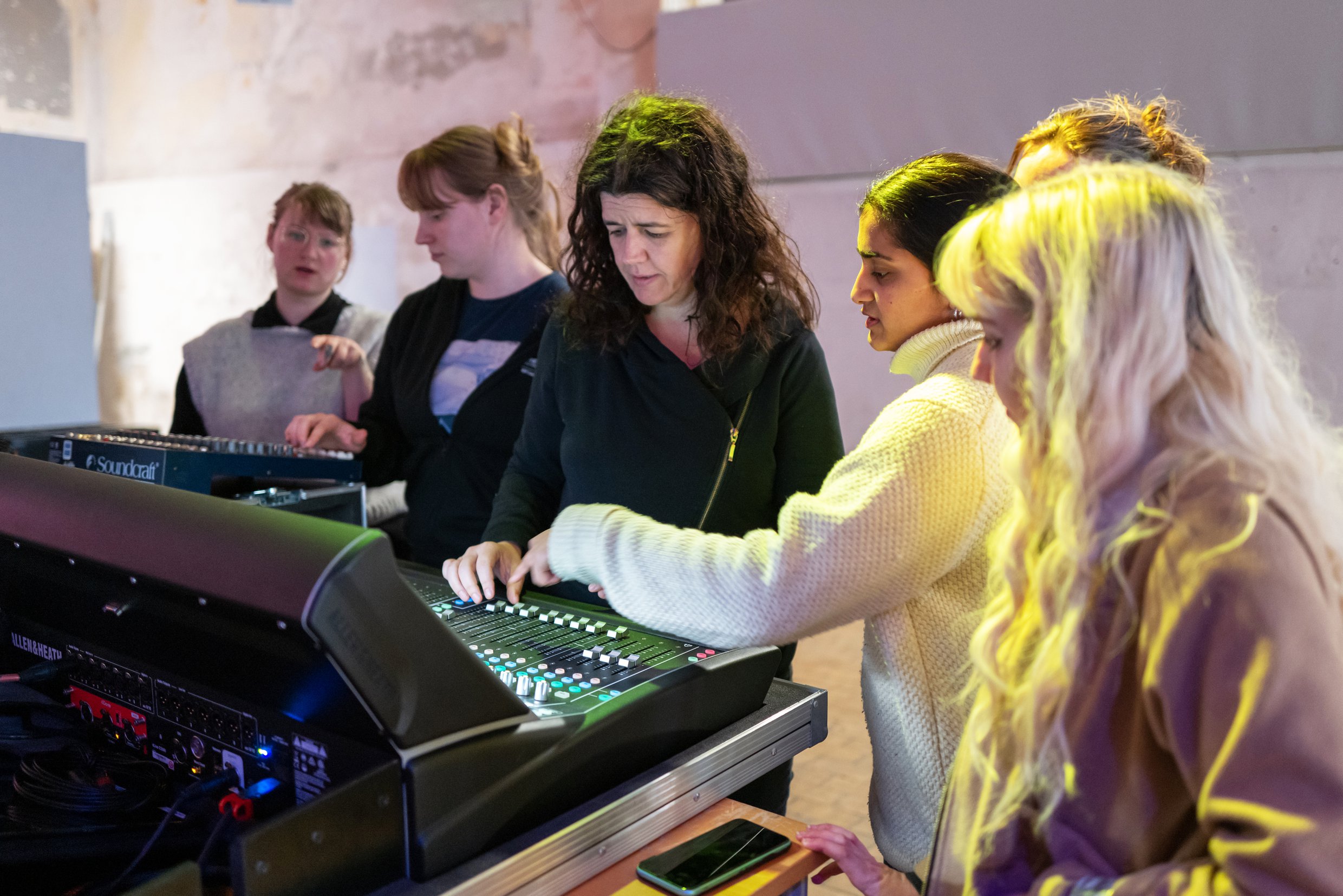
GRIP an educational and accessibility initiative started in 2021 to strengthen a greater diversity within technical roles behind the scenes in museums, and the wider cultural industry.
Women, non-binary and transgender people are strongly underrepresented in the field of sound, light and audio-visual engineering. In Norway, 93% of technicians are cis-male - making it one of the most gender-imbalanced sectors not only in culture, but in society.
Sound, light, video technicians are the backbone to our museum exhibitions, festivals, conferences, especially as technology continues to developas central to our museum operations, exhibitions and programmes. While recent diversity campaigns have focused on improving gender balance in our exhibition programmes, the field behind the scenes in culture remains exclusive, hidden and male-dominated.
Since 2021, our educational programme GRIP has trained more than 170 people in sound and light engineering - and 93% of our trainees are women, non-binary, transgender. We have doubled the number of women and non-binary sound technicians working professionally in Bergen (Norway) - who are now working across the city´s museums, theatres and cultural conferences. We have also trained museum workers, curators, producers between the ages of 18-70, who want to understand the basics of sound engineering to feel more empowered in their jobs in museums. As no formal education in sound or AV engineering exists in Norway, GRIP opens doors for more people into this field.
In less than 3 years, GRIP has transformed the technical field behind the scenes in culture by creating new role models, better gender balance and greater awareness of these roles which are usually hidden or go unacknowledged. GRIP is the only programme of its kind in Norway, and we hope to inspire more cities and countries to empower diversity behind the scenes!
Explain in one sentence why you think the project you nominate is outstanding and could serve as an example for the entire community of modern and contemporary art museums.
GRIP is a unique initiative to transform the homogeneous sector behind the scenes in our museums, galleries, theatres by successfully empowering a greater diversity of people in technical roles, creating new role models and strengthening technical expertise in all museum workers.
Explain why this practice or program is relevant and sustainable in creating meaningful and lasting connections with people, communities, and the museum context with a medium to long-term vision.
Through GRIP, we contribute to building a sustainable, diverse cultural sector both on stage- and behind the scenes. GRIP is more than just a one-off workshop or course, we offer trainees long-term mentorship and shadowing with technical professionals so they gain hands-on experience and build networks working on museum conferences, installations and live programmes. GRIP is open to all genders and all ages above 18, so we create better intersectional and intergenerational awareness which generates real, long-lasting change rather than a siloed "girls club".
Through this, we nurture more women, nonbinary, transgender people to find confidence, find their place and find jobs in a sector which previously was never open to them. Our trainees who are now working professionally as technicians also become inspiring role models for others, who never before saw a woman behind the sound desk or a non-binary person rigging lights.
What are the outcomes of the practice you are most proud of?
We are incredibly proud of all of our trainees who have dared to commit to building a career in a sector where they are in the minority. GRIP supports trainees to build confidence, manage nerves and handle stressful technical troubleshooting in a male-dominated environment so they stick with the training and build confidence to turn this education into a career. We are proud to show that women, non-binary, transgender people DO want to become technicians, but the opportunity was never available to them before. All our courses are full and over-subscribed, and demand does not decrease.
We are also proud of the professional museum technicians we work with who have embraced GRIP and welcome more diversity into their field. Through GRIP we have improved awareness across the whole sector about pronouns, microaggressions and identities so we create a better working environment for everyone.
How has the nominated practice changed your methods and ways of working?
GRIP has transformed the cultural sector in Bergen. Now, museum, festival and conference organisers ask for our graduates to do their tech. While previously, technicians were out of sight, GRIP has now brought this vital sector into the spotlight. Artists participating in exhibitions, live programmes, conferences are inspired that we have women working on the tech. We see that women working on the tech not only creates a more respectful and patient working environment, but transgender artists (for example) feel more comfortable working with a transgender technician who shares their lived experience. During COVID, 1/3 of technicians left the field as museums shut down. GRIP is contributing to filling this employment gap, and by transforming the approach to education we ensure the same excusive cycles of recruitment are not repeated. We build a more equitable, sustainable sector in museums by finally bringing attention to this sector behind the scenes.
Official Website: https://gripteknikk.org/