Where Does Listening Happen?
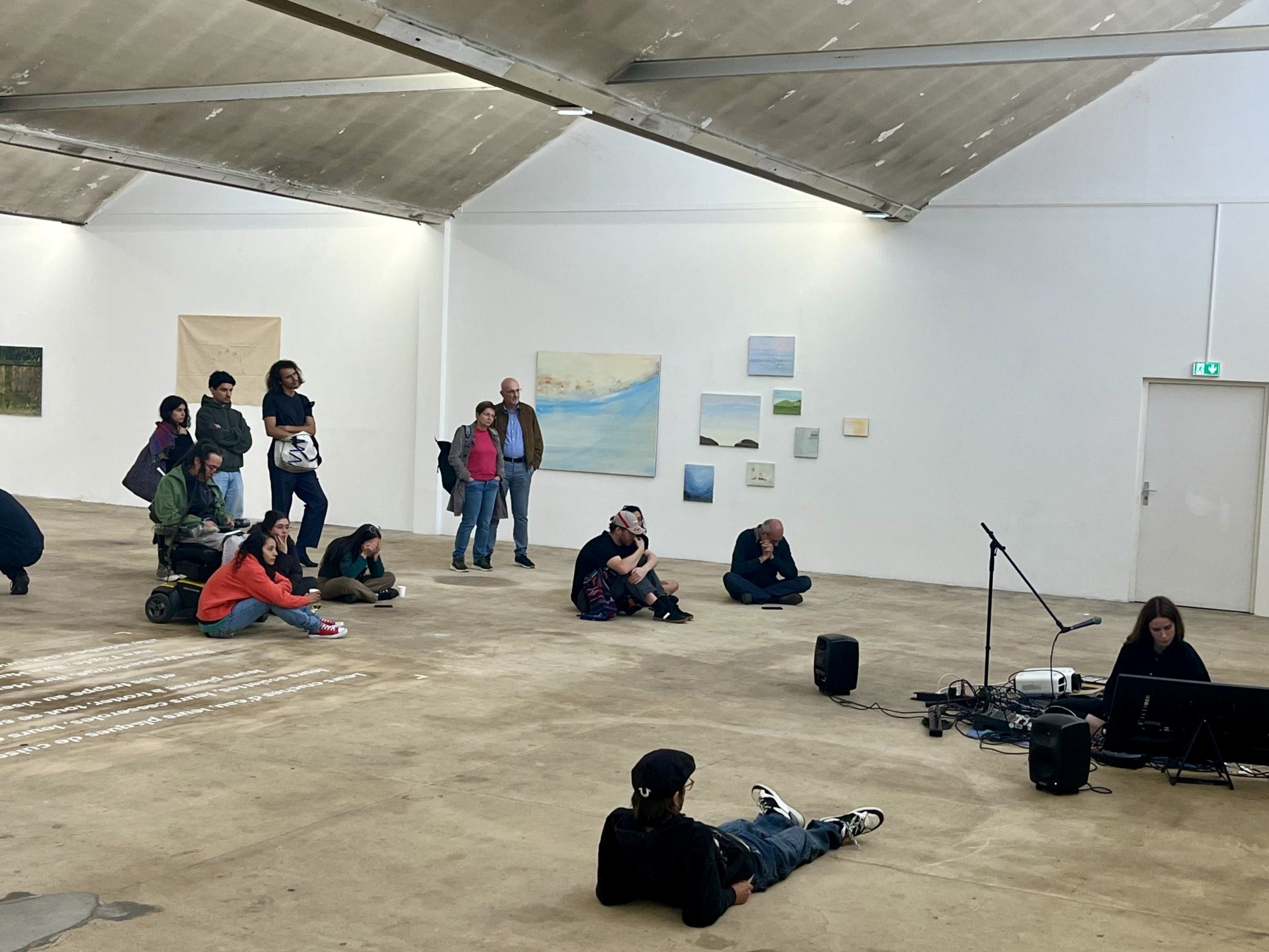
Rethinking Curatorial Practice and Independent Frameworks
By Ileana Ramírez
“Curatorial practice today depends less on institutional permanence than on our capacity to create flexible frameworks with the power to sustain dialogue even under the most uncertain conditions.”
Where does listening take place in contemporary art today?
For much of the twentieth century, museums were widely understood as the primary sites where artistic narratives were produced, interpreted, and legitimized. Today the situation is more dispersed. In many regions, artists and curators are creating spaces for dialogue that operate alongside, or outside, traditional institutional frameworks. I have observed this shift clearly in Venezuela.
This question became particularly relevant during the conversation I moderated for CIMAM Connects [1] on Representation, Authority, and Translation. The discussion focused on how narratives are negotiated today, especially in contexts where institutions no longer occupy a stable or exclusive position in shaping culture.
My own perspective comes from more than sixteen years directing Tráfico Visual [2], a digital platform I founded in 2009. The project began as a response to the lack of documentation of contemporary art in Venezuela. Over time, it developed into an archive and publishing platform that connects a constellation of researchers, artists, and writers across Latin America and beyond. Working from this independent position has made one point clear: critical discourse does not depend exclusively on institutional structures. It can emerge from communities responding to the conditions around them.
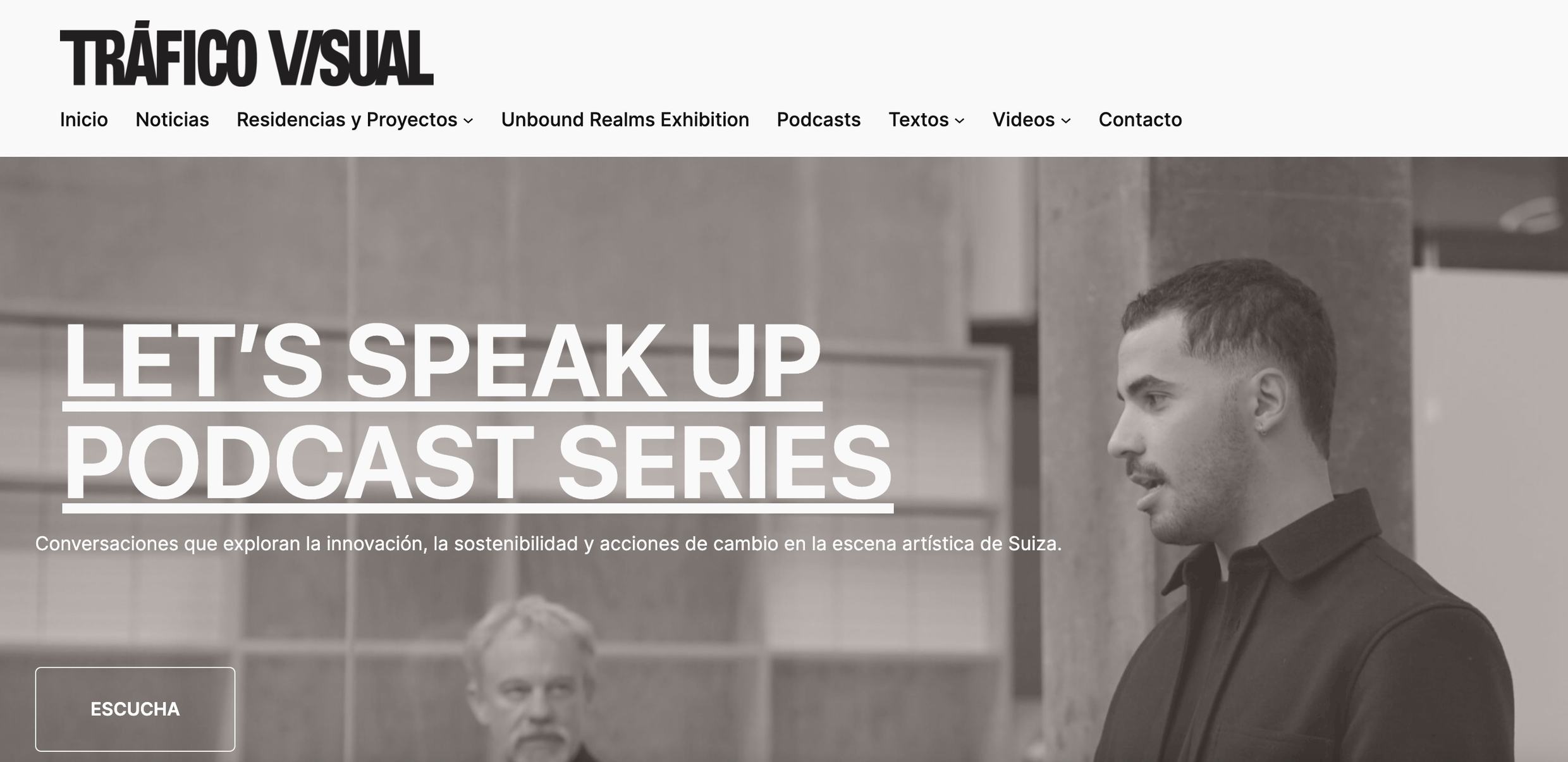
Venezuela: Curatorial Practice as a Relational Territory
In Venezuela, prolonged political and economic instability has weakened many cultural institutions. Artistic and curatorial activity has persisted through smaller and more flexible structures. Dialogue has been sustained through galleries, temporary alliances, non-conventional spaces, artist studios, micro-spaces, and digital platforms and networks.
Initiatives like Centro de Arte Los Galpones, Parque Cultural Hacienda La Trinidad, Abra Gallery, TAGA, Centro Cultural UCAB, Cabinet Gallery, El Raise, Anexo Vivo, Platabanda, GBG ARTS, , Beatriz Gil Galería, Carmen Araujo Arte, Anexo La Casa de Todos, Ciudad Laboratorio, El Banco del Libro, Sala Mendoza, Sala TAC, Espacio Proyecto Libertad, Cerquone Gallery, LA ESCUELA_, among others, have played important roles in maintaining these exchanges.
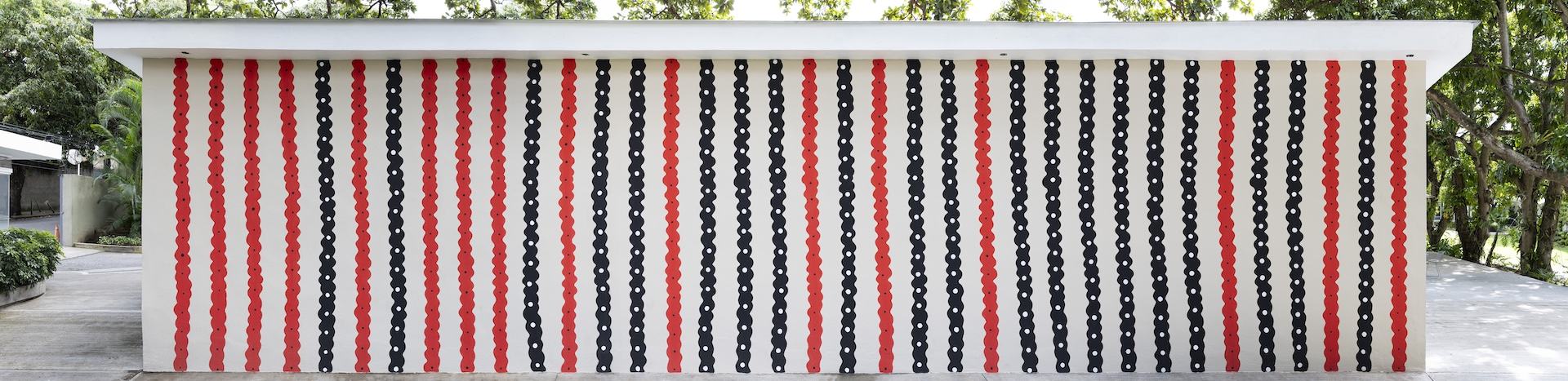
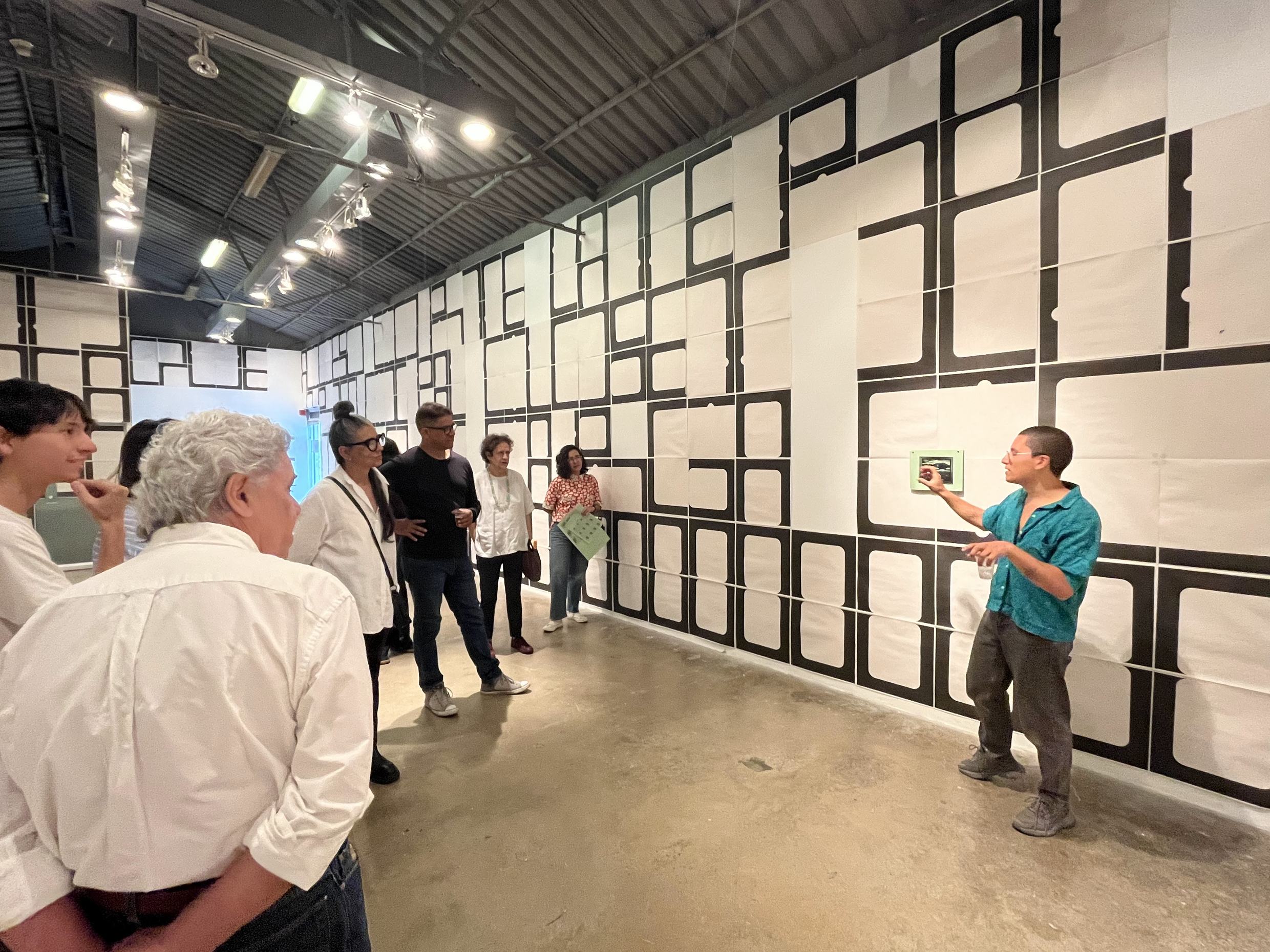
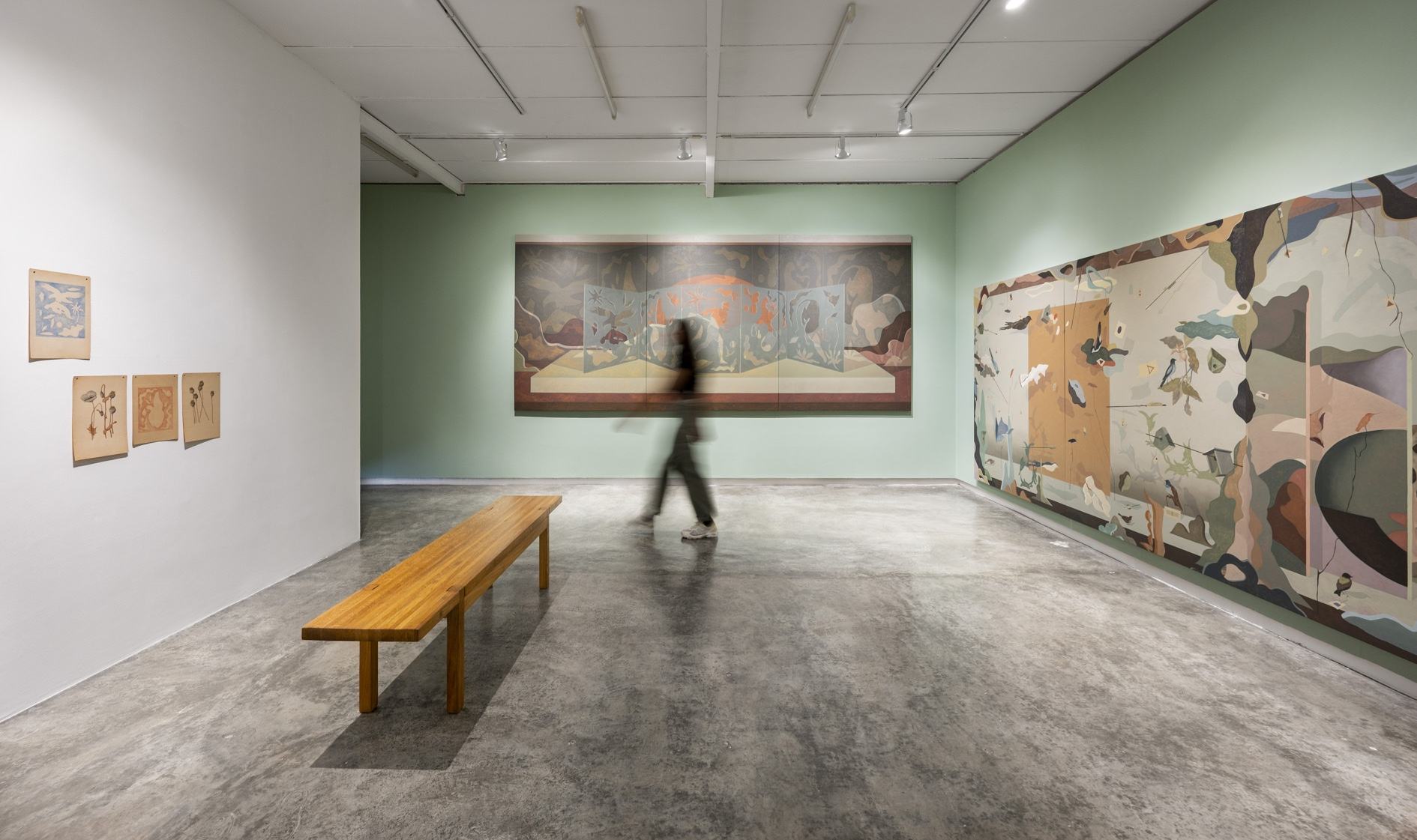
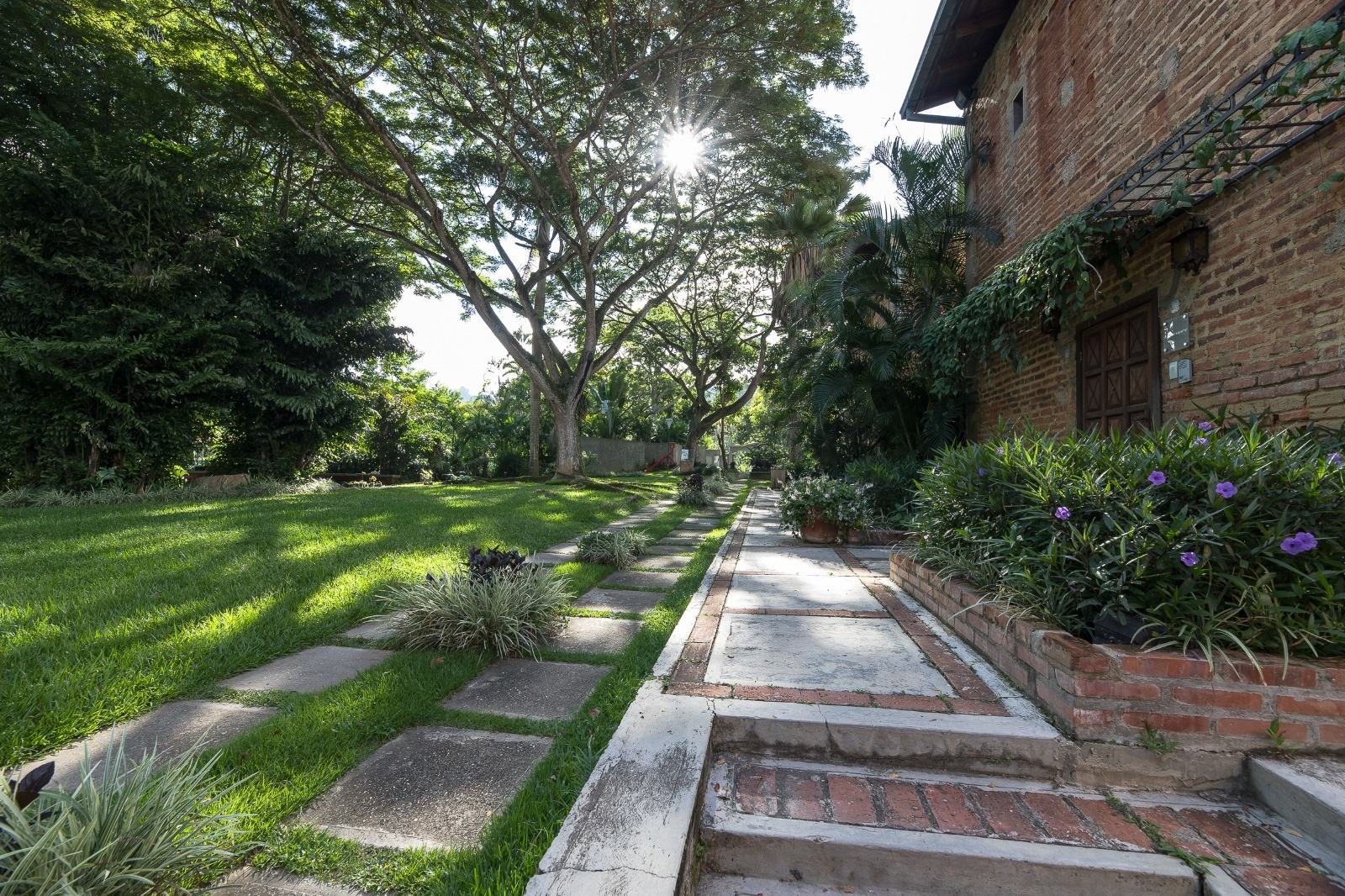
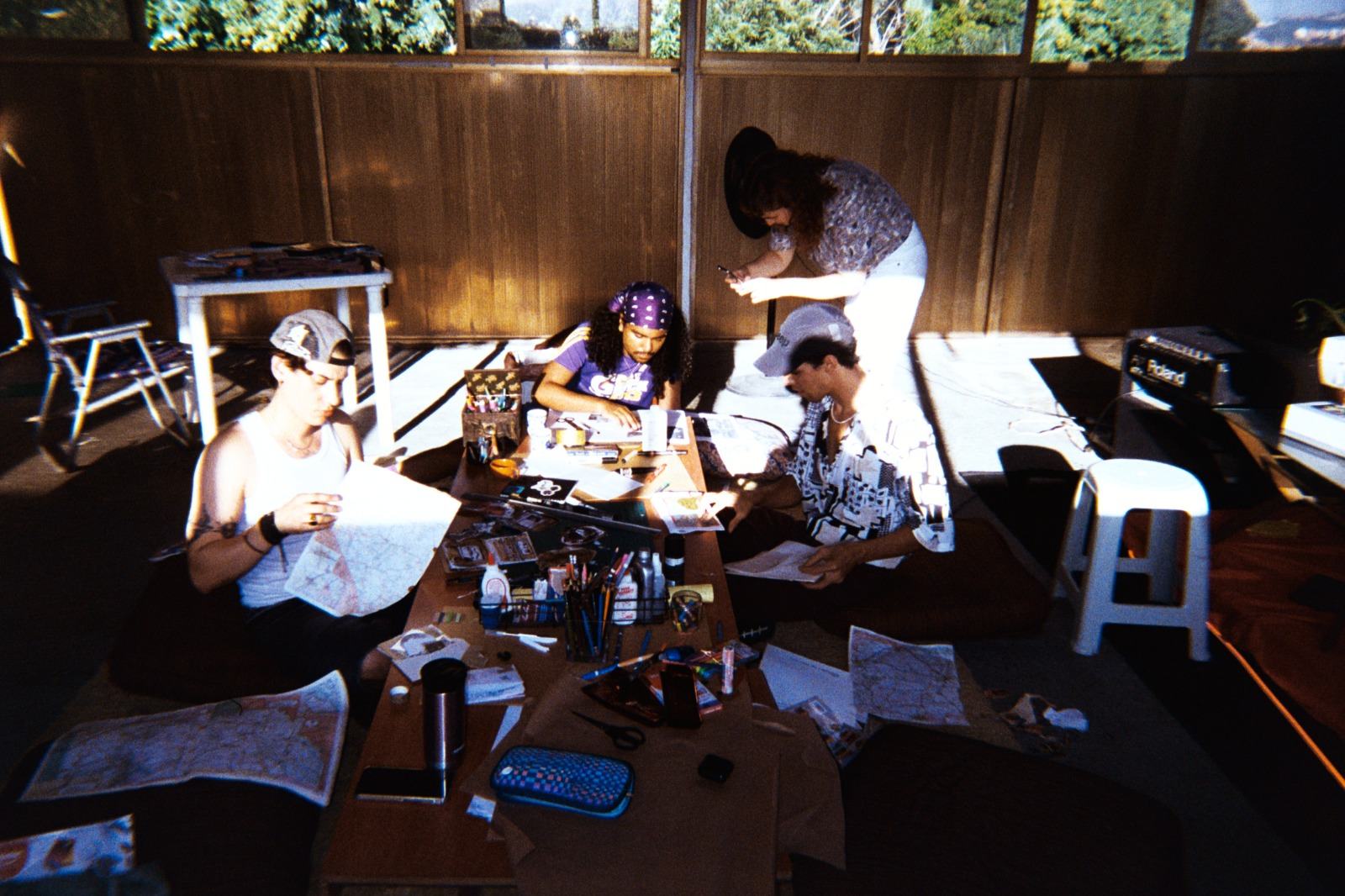
These spaces function differently from traditional museums. Curatorial work often involves exhaustive research that extends beyond the exhibition to encompass education-focused programming, workshops, publishing, archiving, and the facilitation of conversations between dispersed communities. This represents an innovative, yet often non-conventional, way of building knowledge; despite fragmentation and historical ruptures, we are discovering that there are no "sacred structures" for telling a story or being heard. Validity is found in the slow and often accidental efforts to continue. Exhibitions remain important moments within the process, but they are no longer the only places where meaning is produced. Through Tráfico Visual, I have tried to connect these initiatives and document their work, making visible a field that is often described only in terms of crisis, but which has also generated new forms of curatorial and reflective practice.
Holding the Narrative: Overcoming the Great Camouflage [7]
A central issue raised during the CIMAM conversations concerned the relationship between representation and appropriation. Who tells certain stories, and under what conditions? When does representation become a form of extraction?
These questions are particularly relevant in the Caribbean. The region has often been interpreted through external perspectives that reduce its complexity to a picturesque landscape while overlooking the historical and social conditions that shape it. In her 1945 essay The Great Camouflage the Martinican writer Suzanne Césaire examines this dynamic directly. Césaire critiques what she calls the "doudou-ist" myth of the Caribbean, a colonial image that reduces the region to an exotic paradise for outside consumption. This idyllic representation functions as a form of camouflage, hiding histories of colonial violence and inequality that shape the region.
In my practice, I have seen how contemporary artists address these inherited narratives directly. Rather than relying on external validation, they create their own contexts for production and discussion. In this environment, curatorial practice shifts away from the "authority of interpretation" and toward the facilitation of exchange.
Translation as Responsibility and the Site of Listening
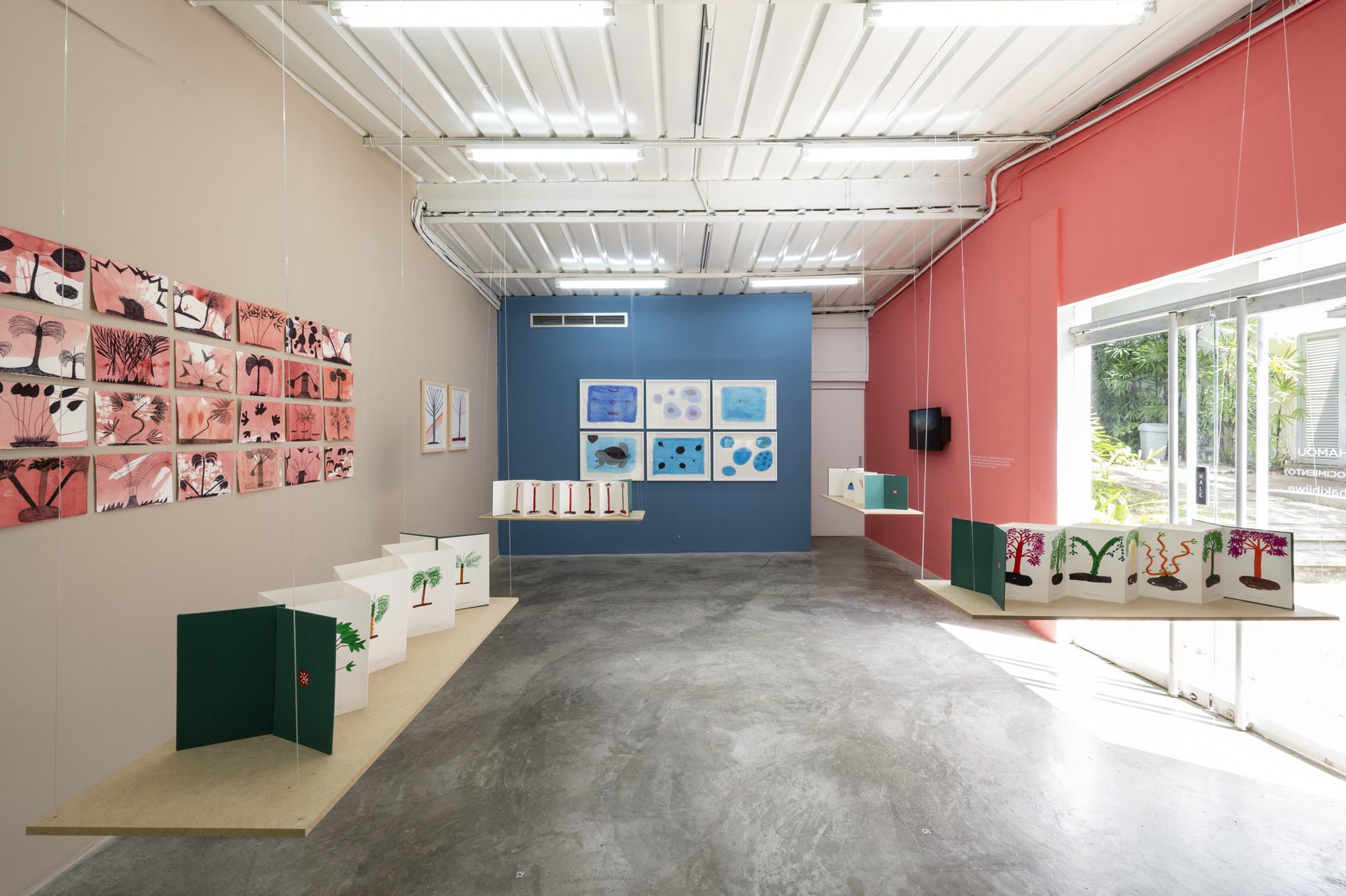
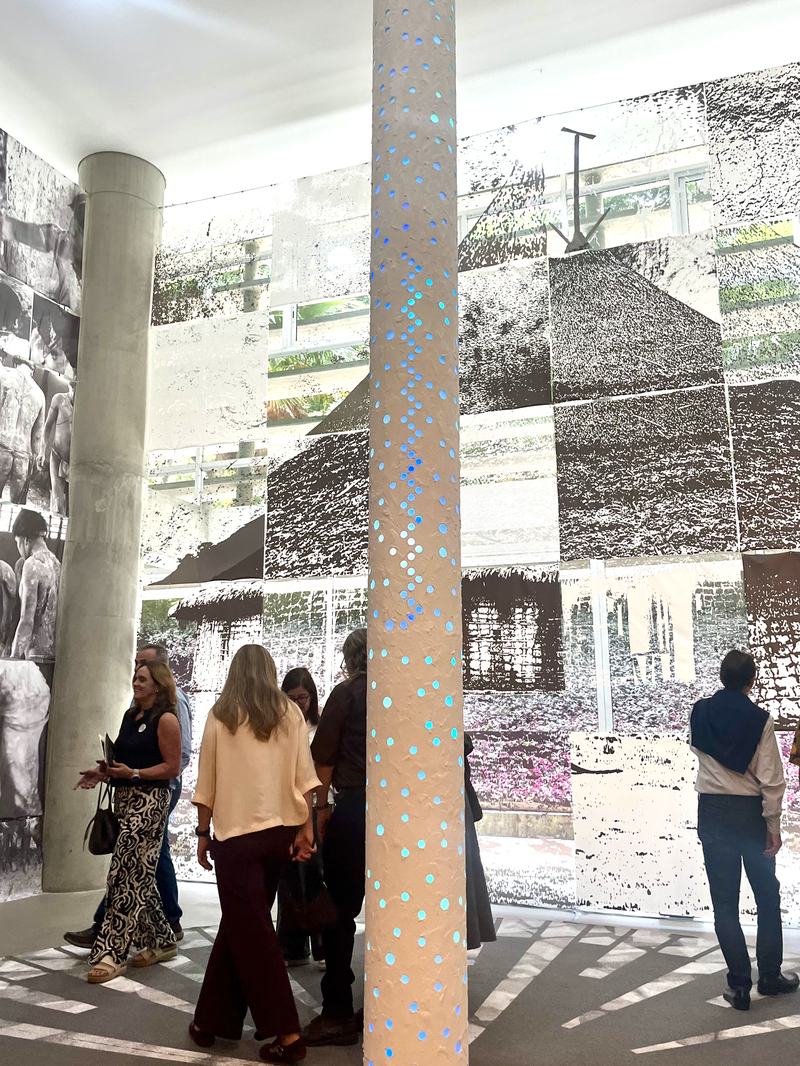
Translation, in this context, becomes an ethical practice. I’ve encountered this clearly in projects such as the exhibition La Imagen Sostenida: Ye’kwana–Makiritare [3] in Caracas in 2026, as well as in Unbound Realms: Traversing Worlds, Breaking Borders [4], which I curated at FABRIKculture in Hégenheim, France in 2025.
Both projects were developed in collaboration with artists and communities in order to present living systems of knowledge without separating them from the contexts that sustain them. These exhibitions became spaces where different forms of knowledge could appear together without being reduced to a single narrative. In this process, curatorial work shifts from interpretation toward responsibility.
The writer Cristina Rivera Garza [5] describes creative practice as a process of disappropriation: writing with and through others. This idea has become an important reference in my own work when thinking about the ethical demands of curatorial practice. As Mieke Bal [8] notes, the act of showing is also an act of telling. Ethical curatorial practice must not "speak for" the other; instead, it must create conditions for a "co-eval" encounter, where multiple voices can be present and heard on their own terms.
If artistic discourse now circulates through networks of collaboration, the "site of listening" can no longer be confined to a single institution. It emerges across the spaces where artistic dialogue takes place. The challenge for the contemporary museum field—as explored in platforms like MoMA’s post [6]—is to recognize these dispersed infrastructures where artistic thought already circulates.
The Venezuelan experience offers a valuable lens. It shows us that the vitality of art does not depend on institutional stability, but on the courage of communities to invent new forms of encounter and exchange.
Footnotes
- International Committee for Museums and Collections of Modern Art (CIMAM). CIMAM Connects: Conversations Around Contemporary Art Museum Practices. cimam.org
- Tráfico Visual. Independent digital platform documenting and circulating debates on contemporary art in Venezuela and Latin America. traficovisual.com
- La Imagen Sostenida: Ye’kwana–Makiritare. Exhibition exploring the knowledge systems and visual culture of the Ye’kwana people. Centro Cultural UCAB. 2026.
- Unbound Realms: Traversing Worlds, Breaking Borders. Exhibition at FABRIKculture, Hégenheim, France, 2025. Curated by Ileana Ramírez.
- Cristina Rivera Garza. Los muertos indóciles: necroescrituras y desapropiación. Mexico City: Tusquets Editores, 2013.
- Museo de Arte Moderno de Nueva York. Post: Notes on Modern and Contemporary Art Around the Globe. post.moma.org
- Suzanne Césaire. "Le Grand Camouflage."Originally published in Tropiques no. 13-14, 1945.
- Mieke Bal. Looking In: The Art of Viewing. Amsterdam: G+B Arts International, 2001.
Biography
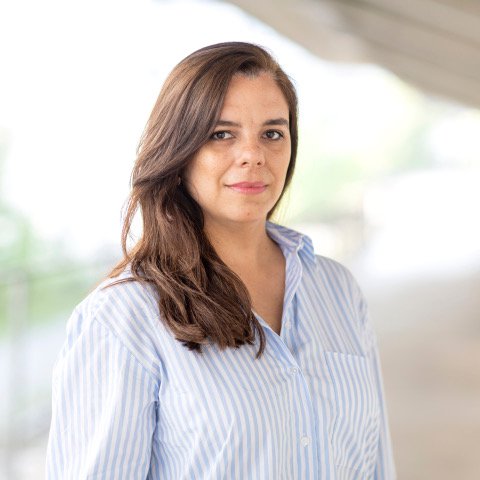
Ileana Ramírez Romero is an independent researcher and curator based in Caracas, Venezuela. She is the founder and director of Tráfico Visual, a cultural platform dedicated to contemporary artistic discourse. With an academic background in law, she brings a multidisciplinary perspective to her work, engaging the social, critical, and aesthetic dimensions of memory, history, gender, and diaspora. Her research focuses on collaborative artistic practices and experimental forms emerging across Latin America.
In 2025, Ramírez completed a research residency in Geneva, Switzerland, supported by Pro Helvetia South America, through Let’s Speak Up—an initiative that maps the community of immigrant artists and cultural practitioners who hold leadership roles and are established in Switzerland. She also recently curated the group exhibition Unbound Realm at FABRIKculture in Hégenheim, France, a project that extends her ongoing interest in the porous territories where imagination, memory, and collective experience converge.
Ileana Ramirez is a 2025 CIMAM Travel Grantee awarded by Colección Patricia Phelps de Cisneros (CPPC).