"The museum is a place to rethink our experience of the world"
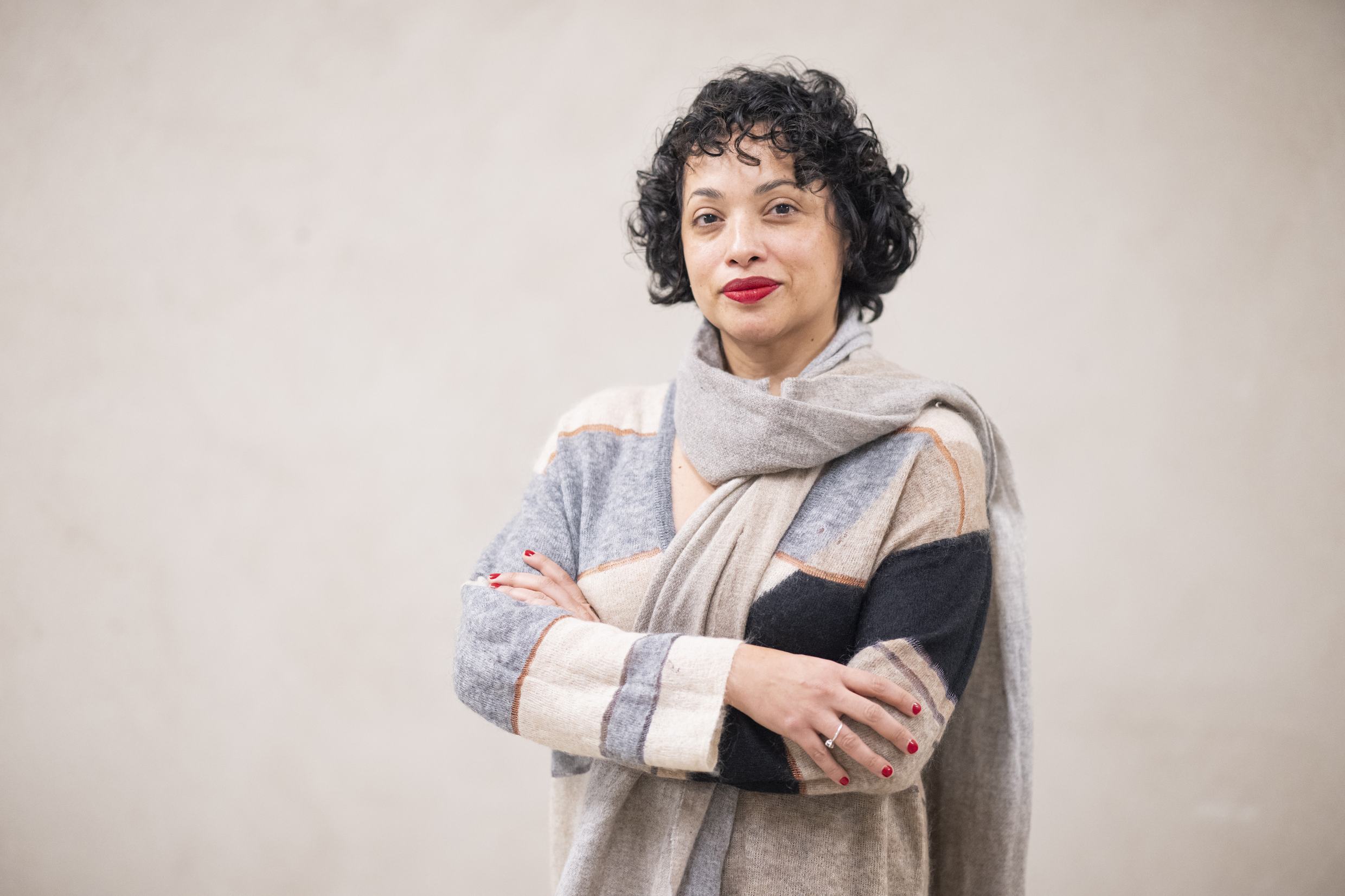
Interview with Amanda de la Garza, CIMAM President and Deputy Artistic Director at the Museo Nacional Centro de Arte Reina Sofía (MNCARS), Madrid, Spain, published in the yearbook "Coleccionar Arte Contemporáneo" (Spain), March 2026.
You have just been appointed President of the Board of CIMAM (International Committee for Museums and Collections of Modern Art). What issues will be a priority during your mandate?
The priority issues for the organization can be summarized as follows: to ensure that CIMAM expands and sustains the geographic diversity of its members; to be an organization that serves as a platform for thinking about the urgent issues that museums face today; and to be a network of support and solidarity that emphasizes the cultural values we represent and our contribution to society.
You have stated that “art museums and cultural ecosystems currently face enormous challenges and threats.” Which do you consider the most pressing?
Political and ideological interference in the life of museums, the economic precarization of institutions, and attacks on the values that museums represent.
What should be the role of the museum in a world that is so complex geopolitically?
To enable a complex experience of the world through art, and to foster democratic values such as access to culture and the construction of communities of thought.
How has your academic background in Anthropology and Sociology influenced your perspective on art?
Precisely by emphasizing the social role of museums and by understanding the art world in a systemic way, without romanticism. I believe that a critical view of our work is fundamental in order to have clarity about the scope of our institutions, as well as our challenges and possibilities.
What do you consider to be the most significant developments and changes currently taking place in contemporary art and its museums?
The emergence of contemporary art institutions in very diverse geographies, which is transforming what we understand as the global art scene. These transformations also raise questions about new institutional models. Another important change is the emergence and growing relevance of private institutions in places where, until recently, the public sector predominated.
One recent phenomenon is the massification of contemporary art. How do you assess its impact on museums?
It has had a very significant impact, as it poses important challenges for cultural institutions: in terms of the visitor experience, that is, how to manage large audiences at the level of infrastructure and logistics; the importance of understanding the composition of current audiences, their interests and desires; as well as the complexity of carrying out artistic programming that is relevant both for specialized communities and for heterogeneous audiences.
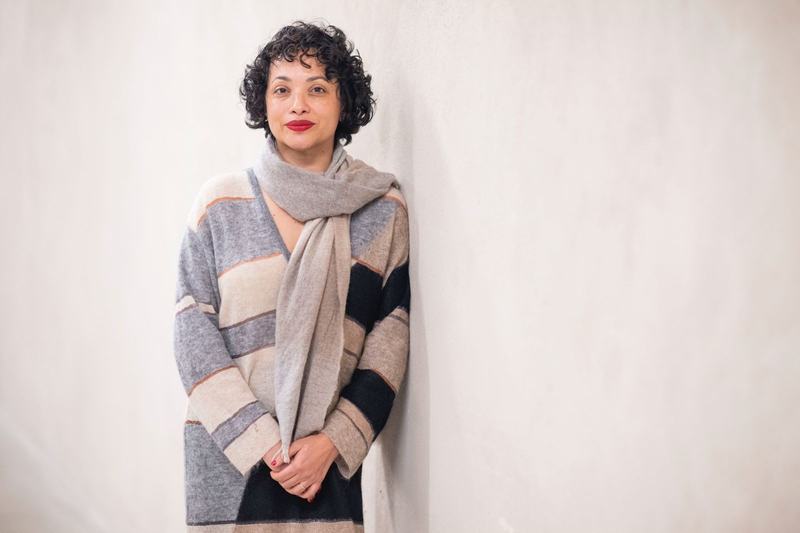
From your position at CIMAM, and also as Deputy Artistic Director of the Reina Sofía Museum, how do you think leadership should be developed within institutions? How has the generational shift influenced this?
The generational shift has involved a critique of an authoritarian and patriarchal model of leadership, while at the same time placing the importance of ethics at the center in terms of labor relations within cultural organizations. However, the deeper transformation of cultural institutions does not depend only on a change in leadership style or on the inclusion of women in leadership positions. It is vital to have organizations that seek diversity in the composition of their teams and where there are real improvements in the working conditions of those who work in museums.
The next CIMAM Annual Conference will take place in Harare, Zimbabwe, and it will be the first ever held in Africa. What message does this choice send?
The CIMAM conference in Harare, the first to take place in a country on the African continent, sends a clear message: the importance of maintaining and expanding the diversity of CIMAM as an organization. At the same time, it reflects the emergence of new cultural and artistic scenes. Both aspects open the possibility of thinking about our work in a situated way and from a critical perspective toward conventional museum models.
A museum is a social space, a place to rethink our experience of the world
What is your concept of a museum? How do you value the fact that they are ceasing to be mere repositories of collections?
A museum is a social space, a place to rethink our experience of the world and its history, where art is not separated from the social and from its political history, while at the same time being a place where enjoyment, pleasure, and intellectual experience are possible.
During your time at MUAC, one of the leading cultural centers in Mexico City, you expressed an interest in “shedding light on the margins,” addressing historical debts and filling gaps in art history. Which exhibitions or projects in this line have left a strong impression on you?
There were several projects that became moments of learning for the institution and for me as a director and professional: the exhibition we organized at MUAC devoted to thinking about the experience of motherhood as represented by women artists in recent decades (Maternar); the exhibition by Francis Alÿs, Juegos de niñxs, which opened the possibility of placing the child’s gaze on the world at the center; and the international conferences we organized in collaboration with Tate. Hyundai Tate Research Center on Indigenous contemporary art. Through these projects, we sought to encounter other voices and to rethink ourselves as an institution.
Finally, how would you assess your experience so far at the Reina Sofía Museum? What has been the most rewarding aspect, and also the greatest challenge?
This year and a half at the Reina Sofía has represented the opportunity to participate in a new scene. It has also been very rewarding to contribute to building a new phase for the museum. At the same time, the greatest challenge has been learning to understand the institution and how it functions at an accelerated pace in order to move forward with our objectives.