CIMAM Welcomes DAS MINSK Kunsthaus Potsdam as a Patron
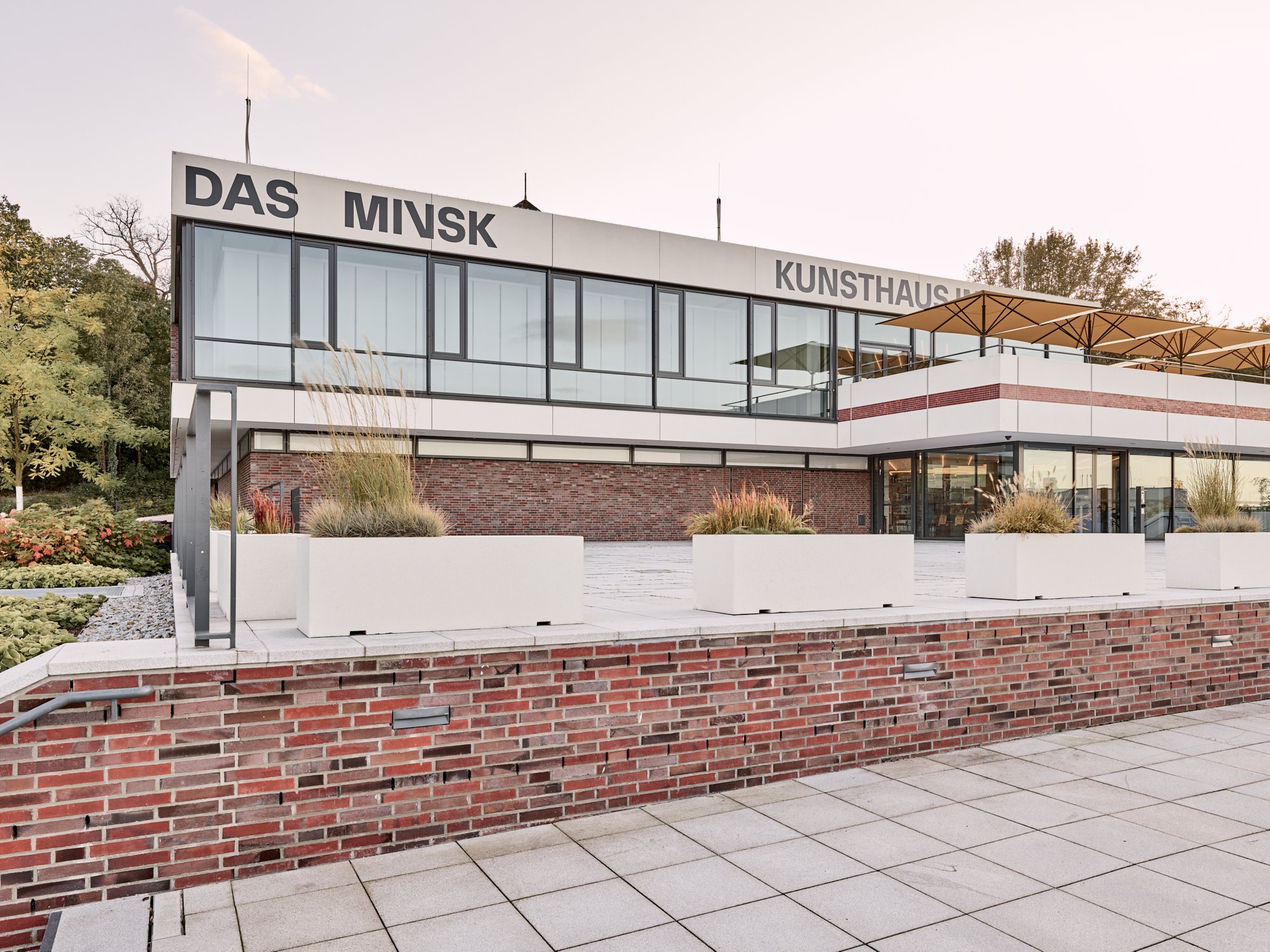
DAS MINSK Kunsthaus in Potsdam joined CIMAM as a Patron in July 2025
At DAS MINSK Kunsthaus in Potsdam, artworks from the former GDR, that are part of the Hasso Plattner Collection, are presented in new contexts. The former terrace restaurant, built in the 1970s in the modernist style of the GDR, is now a place for encounters—between modern and contemporary art, and between people.
CIMAM is pleased to welcome DAS MINSK in Potsdam as a Patron. On this occasion, we spoke with its director, Anna Schneider, to learn more about the institution’s vision and mission.
DAS MINSK is part of the Hasso Plattner Foundation and is located in a space with strong symbolic significance for the city of Potsdam. Could you tell us about Hasso Plattner’s vision in supporting the restoration of this building and why this particular site was chosen to host an institution dedicated, among other things, to artists from the GDR?
Hasso Plattner’s vision for DAS MINSK is deeply rooted in the history and cultural identity of the city of Potsdam. The original building was conceived as a terrace restaurant and opened in 1977. It was dedicated to the city partnership between Potsdam and Minsk, the capital of what was then the Belarusian Soviet Socialist Republic. As such, it stood as a symbol of international solidarity and cultural exchange with the USSR countries.
With its modern architecture, large windows, and open terraces overlooking Potsdam’s scenic cityscape, it quickly became a popular meeting place. For many, it was more than just a restaurant — it was a space for encounters with an international flair, family celebrations, and social life in the GDR. After the reunification of Germany, the restaurant was closed in the mid 1990s and left unused for many years. The building fell into disrepair and was at risk of being demolished. However, many Potsdam residents opposed these plans, recognizing the cultural and historical value of the site.
From the beginning, it was important to Hasso Plattner to breathe new life into this architecturally significant building from the GDR era and to return it to the people of Potsdam — as a place of memory, but also as a space for cultural engagement. For many locals, the building holds personal memories, and its modernist architecture represents an important chapter in the city's history that we consciously want to acknowledge and preserve.
At the same time, Hasso Plattner aimed to address a significant gap in the museum landscape: art from the former GDR is still underrepresented and undervalued. It is only in recent years that interest in this history has significantly picked up and it is being revisited by academics and the general public. The historically singular cultural history of East and West Germany offers new perspectives for an increasingly global and multi-vocal approach to the discipline of art history.
With DAS MINSK, we are creating a space where works from Hasso Plattner Collection created after 1945, with a focus on art from the former GDR, is shared with the public and brought into a global contemporary context. Highlighting the artistic quality and diversity of this era is a central mission that we are pursuing with great commitment.
The Hasso Plattner Foundation promotes a mission that includes education, the advancement of digital technologies, sustainability, and support for the arts. How does DAS MINSK incorporate these focus areas into its institutional mission? What programs or activities are you currently developing that reflect this cross-disciplinary vision?
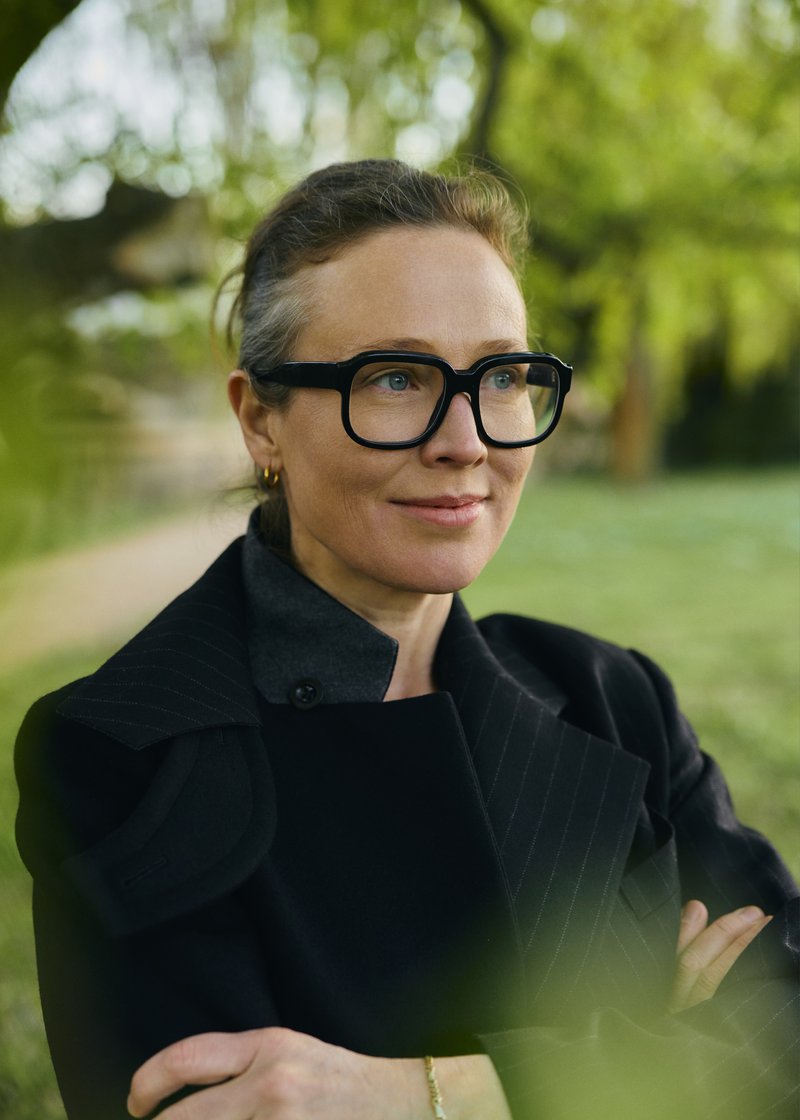
At DAS MINSK, we see ourselves as part of a larger mission that aligns closely with the values of the Hasso Plattner Foundation — particularly in fostering education, engaging with contemporary digital developments, supporting sustainability, and promoting the arts.
Our exhibitions and accompanying programs are designed to create meaningful educational experiences for a wide audience, including the local communities and institutions. Through guided tours, artist talks, readings, music program, culinary experiences, workshops, and collaborations with schools and universities, we encourage critical engagement with art and history — especially regarding the GDR period and its artistic legacy.
We are also committed to expanding the boundaries of what a museum can be, especially in terms of an interdisciplinary approach. Music plays an important role in our programming: through concerts, listening sessions, and live music, we create spaces where visual art and sound come together. This connection is especially meaningful given the history of the building — formerly a terrace restaurant where people would dance and celebrate.
By connecting these areas, we aim to position DAS MINSK not only as a place for art, but also as a platform for dialogue across disciplines and generations — a space where historical reflection, contemporary questions, and future perspectives come together.
In line with the Foundation’s commitment to environmental science and sustainability, what strategies has DAS MINSK adopted in terms of architectural, operational, or programmatic sustainability? Could you share some concrete examples of projects or initiatives aligned with this approach?
At DAS MINSK, we understand sustainability as a multi-layered responsibility — ecological, cultural, and social — and we strive to reflect this in all aspects of our work: from architecture and operations to curatorial decisions.
On a programmatic level, we see sustainability in terms of long-term engagement: with artists, audiences, and themes that are relevant to society. Our exhibitions often address historical shifts and continuities, and social change — fostering awareness of how art reflects and contributes to cultural memory.
I would like to give you a concrete example for our thinking: Katharina Gaenssler’s project UP! recalls one of the most spectacular escape stories from the GDR: the homemade hot air balloon with which two families fled across the inner-German border to the Federal Republic. Based on documentary material and fabric analyses, Gaenssler created an approximately 6 meter tall, color- and scale-accurate version of the balloon, using materials that closely resemble the original — umbrella silk, taffeta, and bed linens. The balloon will be hovering on our outdoor terraces for three weeks this September and October. This highly attractive sculptural image - will be a focal point for our accompanying program that will address the challenges of flight and life in exile.
After the installation is taken down, the material of the balloon will be recycled and transformed into a mobile social seating sculpture for DAS MINSK. This upcycling process is an integral part of the artistic concept, with a symbol of escape becoming a site for gathering and community — permanently installed in the public space of the museum.
DAS MINSK has recently joined CIMAM as a Patron institution. What motivated this decision to become involved with CIMAM? Which aspects of this professional network do you consider particularly relevant in supporting your institutional goals and curatorial practice?
Joining CIMAM as a Patron institution is an important step for us in connecting DAS MINSK with a global network of contemporary art museums and professionals. Founded in 2022, we are still a very young institution, and very actively thinking about organic ways of growing and learning together and reflecting. While our focus includes the art of the GDR, we are equally committed to engaging with contemporary artistic practices and fostering transnational dialogue through our exhibitions.
A recent example is the retrospective of Noah Davis, which we presented in collaboration with the Estate of Noah Davis and David Zwirner Gallery. After the exhibition was on display here, it traveled to the Barbican in London, to the Hammer Museum in Los Angeles, and finally to the Philadelphia Museum of Art in January 2026. The project reflects our interest in building international partnerships and expanding the range of voices and narratives represented at DAS MINSK. We see this as a direction we want to continue developing.
We are particularly interested in CIMAM’s work on ethical standards, sustainability, and the role of museums in post-colonial and post-socialist contexts. These are questions that also shape my curatorial practice and the institutional mission — whether we are working on exhibitions, or thinking about the accessibility and relevance of our programming.
In a context of global transformation, cultural institutions face shared challenges, and collaboration plays an increasingly important role. What are the future plans for DAS MINSK? What kinds of collaborations would you be interested in strengthening? In light of the current challenges facing cultural institutions, how do you envision these relationships evolving in order to remain relevant and sustainable?
In the face of global transformation and political, social and environmental challenges we believe that cultural institutions have a shared responsibility to remain open, responsive, and connected — both locally and internationally. At DAS MINSK, our future plans focus on deepening those connections: with artists, communities, and partner institutions.
This regional engagement is essential to our identity. We want to create a space that resonates with the people around us — across generations — and reflects the specific histories and experiences of this place. At the same time, we see great value in placing these perspectives in dialogue with broader, international discourses.
This dual orientation allows us to build a dynamic, responsive program that speaks both to our local audiences and to the global conversations shaping the future of art and culture.