Zeina Arida
Academic and Professional Background
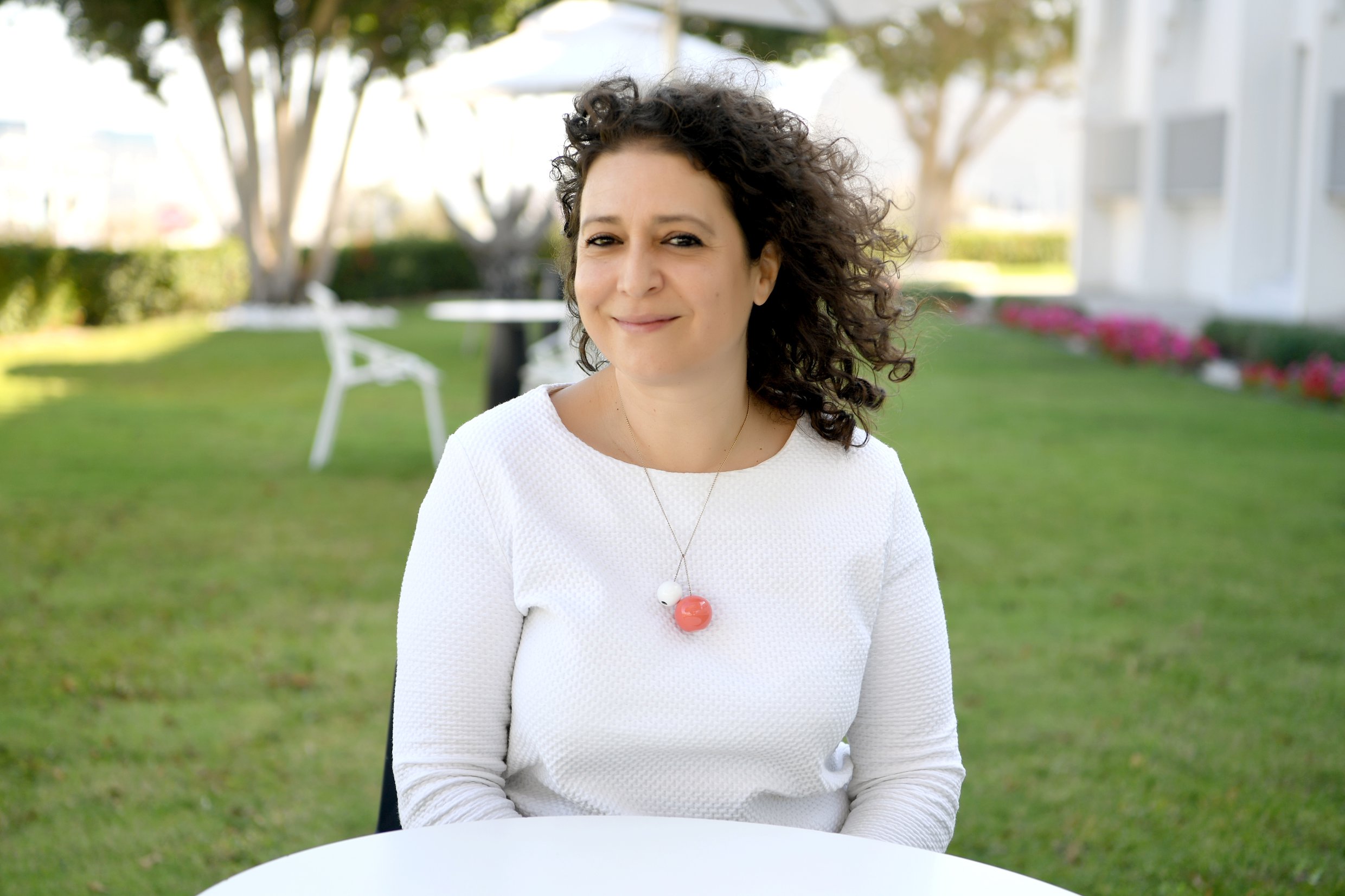
Zeina Arida has been serving as Director of Mathaf, Arab Museum of Modern Art in Doha, Qatar, since November 2021. She is a Board member of CIMAM, where she currently serves as Chair of the Museum Watch Committee, and a Board member of ICOM Qatar. She is a member of the Arab Image Foundation and the scientific committee of the Art Mill Museum in Doha.
My professional interests lie in the area of institutional building and mission-driven initiatives, with a focus on modern and contemporary art, as well as photography and archives. I have worked in the Arab world, where I was previously the Director of the Sursock Museum from 2014 to 2021. I had the privilege of leading the museum's reopening in 2015, following a significant multi-year renovation and expansion project. From 1997 to 2014, I held the position of Director at the Arab Image Foundation, a non-profit organization based in Beirut, Lebanon. The Foundation operates at the intersection of photographic, artistic, research, and preservation practices.
I have been a member of CIMAM since 2011, and joined the Board in 2023. I currently chair its Museum Watch Committee, where I have initiated an ongoing research project into the practices of working with living artists.
Motivation statement explaining what encourages you to join the Board of CIMAM
Being a Board member for two years only, I am seeking a second mandate on the CIMAM Board to continue contributing actively to its mission of supporting museum professionals worldwide. During the past term and in my professional practice, I have worked to amplify voices from underrepresented regions, foster international collaboration, and advocate for inclusive, sustainable practices in the museum field. With continuity, I can contribute to the strengthening of these initiatives and conversations and further bring my experience, network, and commitment to CIMAM’s evolving role in shaping the future of contemporary art institutions globally.
Explain how you see the role of CIMAM in advancing contemporary art museums globally
CIMAM is an amazing organization that plays a crucial role in supporting museum professionals and shaping the future of modern and contemporary art museums by connecting us across geographies, experiences, and challenges. It's a space where we find both inspiration and solidarity—where difficult questions are asked, and meaningful conversations happen. I'm a huge believer in CIMAM's incredible power to support museums not just as institutions, but as living, responsive spaces that reflect and engage with their communities.
I see CIMAM as a foundational support system and a catalyst for positive, thoughtful change, a driving force in helping museums and museum professionals navigate complexity with courage and care.
How would you help CIMAM advocate for museums in areas such as funding, membership engagement, and strategic initiatives to achieve its mission?
We need to build on the successful development of CIMAM, expanding its network and members to include underrepresented communities and geographies, cultivating new relationships and extending its reach to like-minded supporters. I am particularly interested in helping CIMAM achieve a sustainable financial model and building on the past years’ increase of institutional and individual donors. We will involve more of CIMAM’s community at large in initiatives that are led by the Board, contributing to sharing a sense of ownership.
If elected as a Board Member, what would be your main objectives or areas of action for the next three years for CIMAM to contribute to the sustainable development of the modern and contemporary art museum sector?
My main objectives would be to ensure that CIMAM becomes increasingly inclusive, both geographically and in terms of the types of museums and institutions that are part of it. To be more attentive to the artistic community and to changes in the form and format of modern and contemporary art museums and institutions focused on contemporary art, and to ensure that this is reflected in the annual conferences and in the membership. It also seems essential to develop more tools aimed at helping modern and contemporary art museums overcome the growing difficulties they face, both financially and in terms of governance, as well as problems related to conflicts and social division, providing a platform for support and solidarity.