Clara M Kim
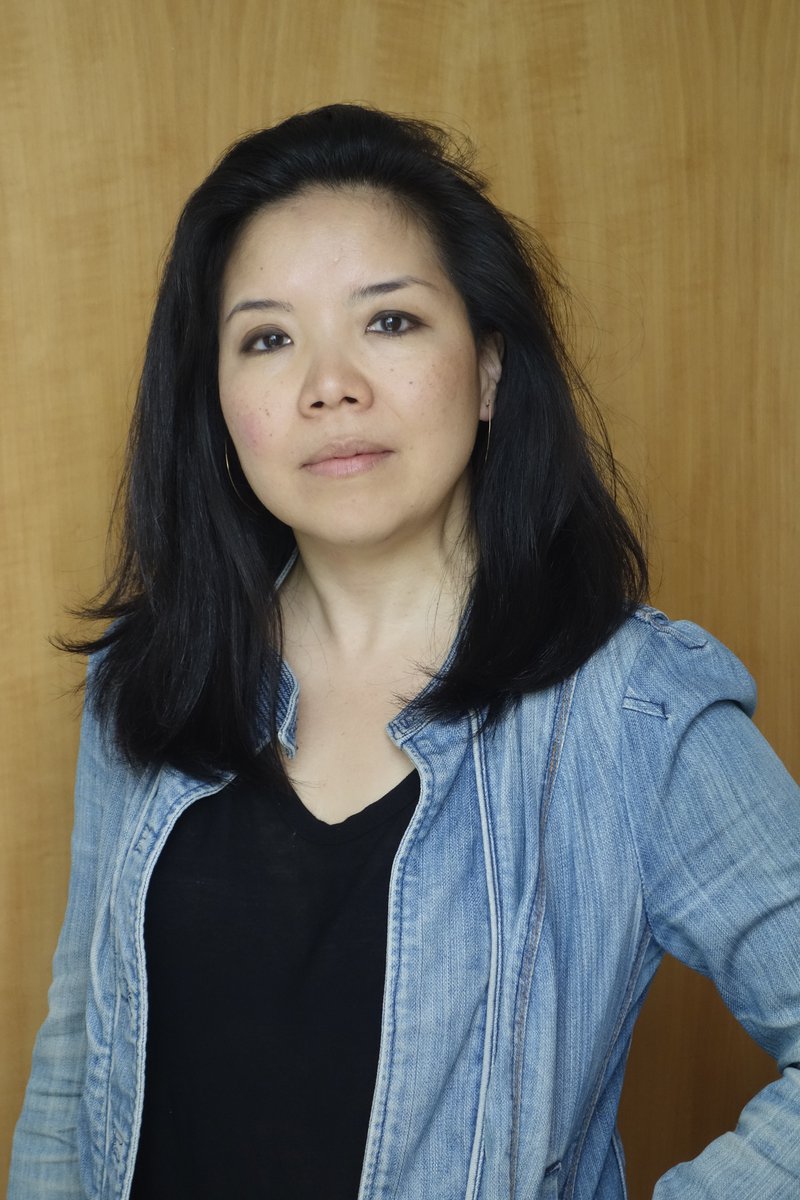
Academic and Professional Background
Clara Kim is Chief Curator & Director of Curatorial Affairs at The Museum of Contemporary Art in Los Angeles, where she curated the critically acclaimed exhibition Paul Pfeiffer: Prologue to the Story of the Birth of Freedom (2023-4), which traveled to Museo Guggenheim, Bilbao and the Museum of Contemporary Art Chicago (2023-5). She is co-curating the upcoming exhibition Afterlives: Japanese American Artists and the Postwar Era (opening Feb 2027) for MOCA. Previously, Kim served as The Daskalopoulos Senior Curator, International Art at Tate Modern (2016-22) where she expanded the scope of Tate’s international collection and spearheaded transnational initiatives. At Tate Modern, she curated survey of artist/filmmaker Steve McQueen (2020); Turbine Hall commission Kara Walker: Fons Americanus (2019-21); A Year in Art: 1973 Chile (2019-20); Christian Marclay: The Clock (2018-9) at Tate Modern; and co-convened major international conferences including Axis of Solidarity: Landmarks, Platforms, Futures (Feb 2019) and Crucibles, Vectors, Catalysts: Envisioning the Modern City (Mar 2021). Kim previously held curatorial posts at the Walker Art Center, Minneapolis, REDCAT, Los Angeles, San Francisco Museum of Modern Art and San Francisco Art Institute; and serves on the Board of CIMAM (2023-25) as well as the Chair of the Content Committee of the 2024 CIMAM Annual Conference in LA and sits on the advisory boards for Contempo, East of Borneo, Stuart Collection and Villa Aurora. Kim received her BA in Art History at the University of California, Berkeley and MA in the Humanities at the University of Chicago.
Motivation statement explaining what encourages you to join the Board of CIMAM
I am motivated by the potential of contemporary art museums today to change society and reflect on and respond to the most urgent issues of the day. As spaces for public discourse and debate dwindle, especially in the U.S., museums have become platforms for radical generosity, trust, possibility and transformation. CIMAM is an important and necessary nexus where curators and directors come together to envision and develop the future of museums, as museums need to constantly evolve to stay relevant.
Explain how you see the role of CIMAM in advancing contemporary art museums globally
CIMAM is positioned to be a leader in articulating, supporting and advancing the values of contemporary art museums. As political agendas keep constituents further and further apart, and increasingly define identity around difference of ideologies, CIMAM's mission towards bringing colleagues and communities together and finding commonalities and curiosities are what makes us inherently human. As the only dedicated association of modern and contemporary art museums in the world, CIMAM can enact influence on the global stage--to take a higher moral ground, to transgress the limitations of political discourse, and to constantly seek, question, explore and discover.
How would you help CIMAM advocate for museums in areas such as funding, membership engagement, and strategic initiatives to achieve its mission?
CIMAM has great potential to develop in North America, specifically in the U.S. With the current state of politics driving institutions towards inflection points, CIMAM will prove to be an important convening platform to confront and negotiate the challenges of the times. With the belief that we are stronger together, and that the next generation of curators and directors will further advance the mission of museums, I have been instrumental in bringing new donors and foundations to CIMAM via Travel Grants and Conference Sponsors via the 2024 CIMAM Annual Conference in Los Angeles. I will continue to strive for a broad international base of CIMAM members and supporters, as our strength is determined by our ability to hold and take account of different perspectives, contexts and realities. The voices of the next generation are critical to the growth and development of the field, and certainly of CIMAM. With this in mind, I will advocate for intergenerational leadership of CIMAM as it continues to evolve and develop its growth and influence.
If elected as a Board Member, what would be your main objectives or areas of action for the next three years for CIMAM to contribute to the sustainable development of the modern and contemporary art museum sector?
My main objective as a Board Member would be to advance the most pressing issues in the field today. These include the sustainability and viability of museums, as it responds to climate change, social and environmental justice, community building, and more recently the threat of censorship and government interference. I am invested in how museums can redefine notions of collecting, preserving culture that takes account of the infrastructure of art and museum-building towards social responsibility. To that end, I am also committed to how networks like CIMAM can help foster new intellectual frameworks for narrating, interpreting and understanding art histories on a global, transnational/cultural, that radically destabilizes dominant Western/European/colonial models towards recentering diasporic movements, Transpacific constellations, and networks across the Americas.