Fondation Opale
Since July 2025, Fondation Opale supports CIMAM as a Major Patron.
Established in 2018, Fondation Opale is the sole contemporary art centre dedicated to the promotion of Indigenous Australian art in Europe. Born from the passion of its founder, Bérengère Primat, to share the creative expression of Australia’s First Peoples, the foundation is built around her collection of more than 1,900 works – one of the largest private collections of contemporary Aboriginal art in the world.
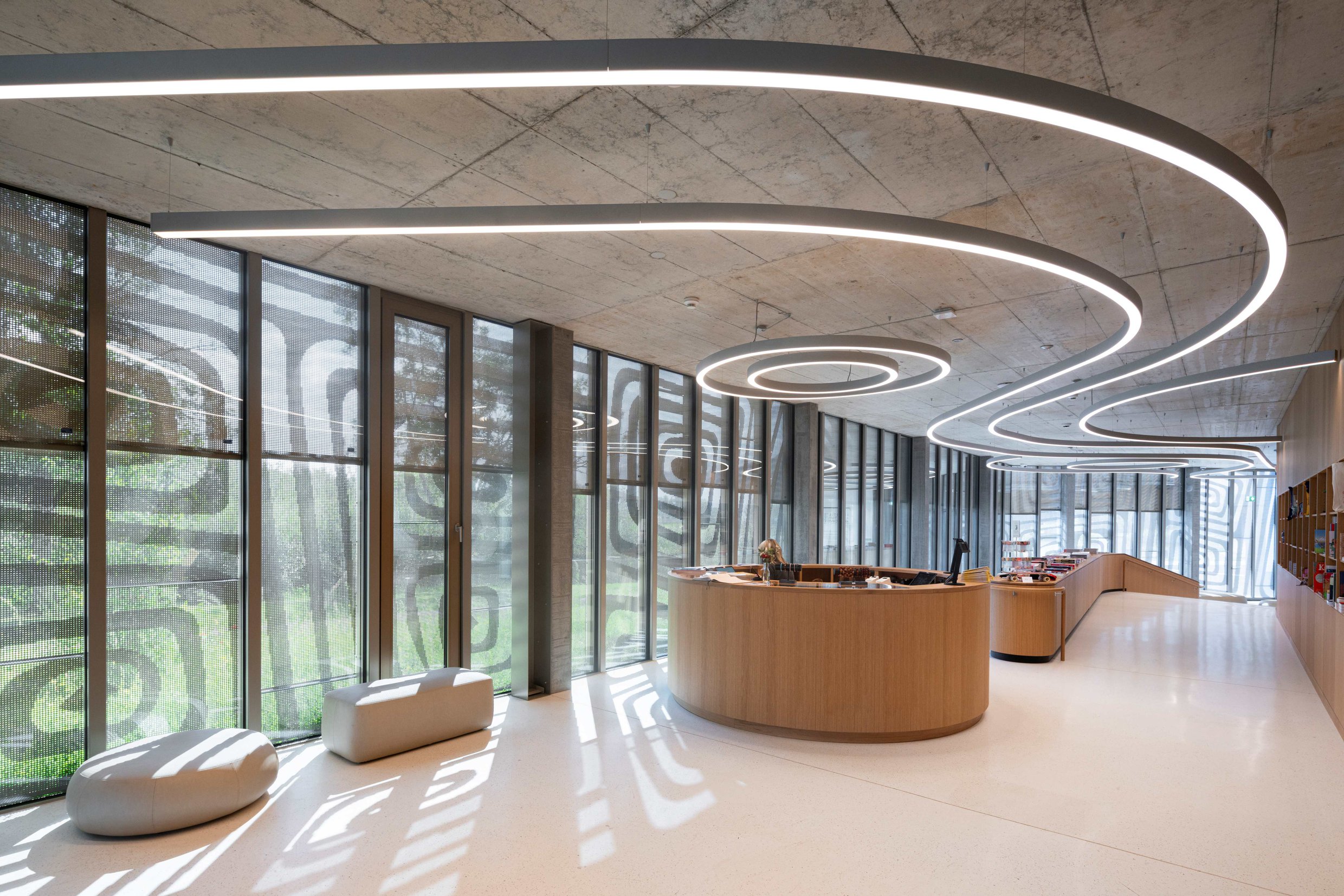
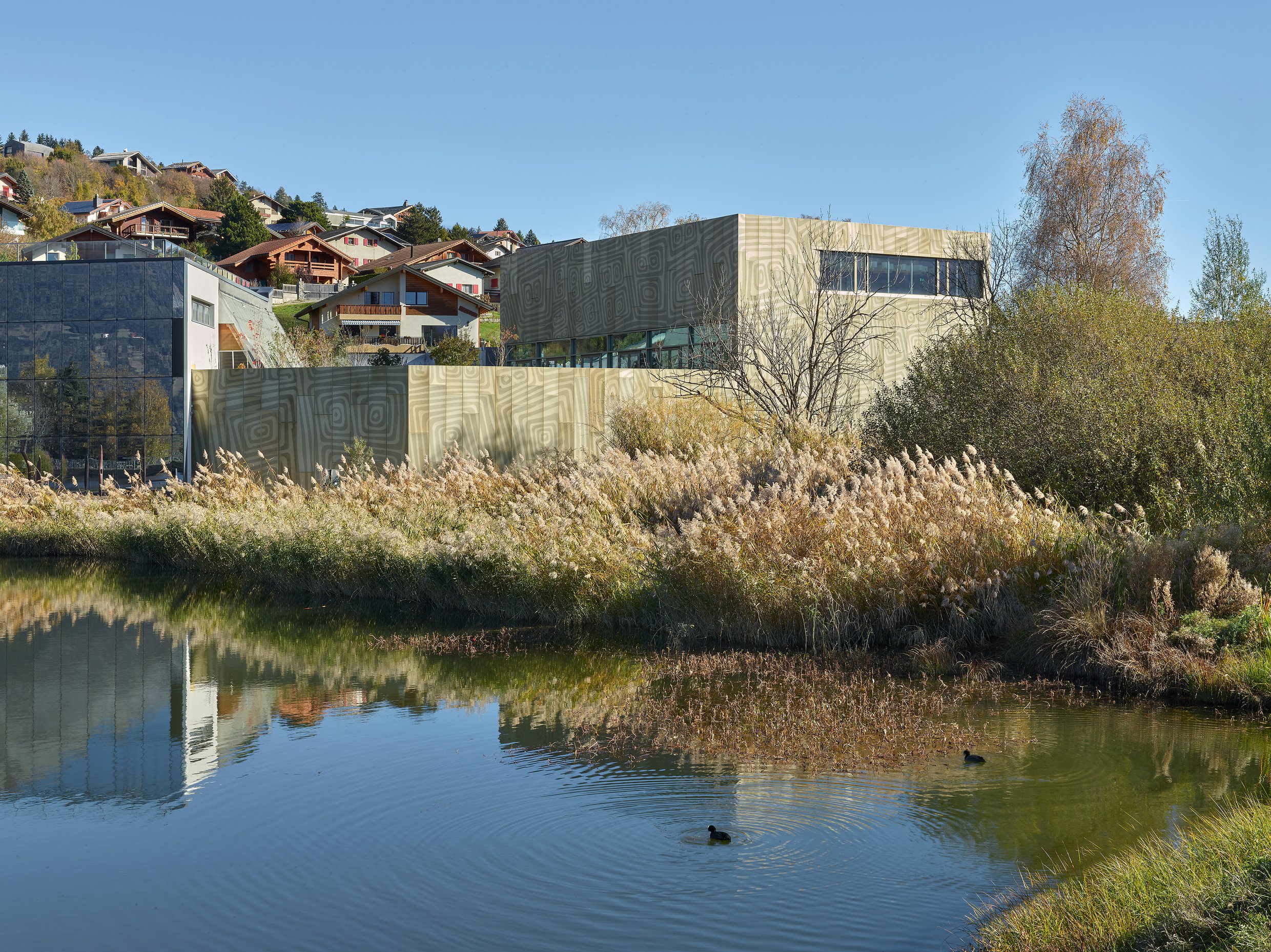
Located in the heart of the Swiss Alps, in the Lens Art Centre (Lens/Crans-Montana), Fondation Opale hosts temporary exhibitions in its 1,400 m² of gallery space. These exhibitions highlight contemporary Aboriginal art while fostering dialogue with modern and contemporary artworks from across the globe, embracing the belief that art transcends borders. The foundation’s mission is to give contemporary Aboriginal art the visibility it deserves – art that critic Robert Hughes called “the last great artistic movement of the 20th century.” Challenging Eurocentric narratives, Fondation Opale invites audiences to engage with perspectives that illuminate universal questions of identity, culture, and the human condition, convinced that contemporary Aboriginal art speaks to all.
As well as being a place of experimentation and excellence in the visual arts, the art centre aims to bring people together, regularly opening up to other disciplines such as the performing arts, music, film and literature through special events. Each exhibition is accompanied by a cultural mediation program including creative workshops, thematic tours, lectures, and artist talks.
Finally, Fondation Opale publishes catalogues and reference publications on contemporary Australian Indigenous art and supports academic research projects as well as artists' residencies. The art centre’s team works in close collaboration with Aboriginal and Torres Strait Islander artists, art centres and communities whose work is presented. By carrying out all its projects with their explicit cultural permission, Fondation Opale places Australia’s First Peoples at the heart of its vision and actions.
https://www.fondationopale.ch/
To mark this new partnership, we spoke with Gautier Chiarini, Director of Fondation Opale, about the institution’s mission to enhance the visibility and recognition of Indigenous Australian art in Europe, and about the shared values with CIMAM’s ethical commitment to fostering inclusive dialogue between cultures.

Fondation Opale was born from Bérengère Primat’s passion for sharing the creative expression of Australia’s First Peoples. Could you tell us how this passion began? What first inspired Bérengère Primat to start collecting Aboriginal contemporary art, and how did this remarkable collection - now one of the largest of its kind in the world - come to life?
In 2002, Bérengère Primat saw the exhibition “Wati - The Law Men” at the Passage de Retz gallery in Paris; it was her fist, deeply moving encounter with Aboriginal art. Shortly after, reading every book about Indigenous Australian cultures she could get her hands on, she spent extended periods of time in and around Alice Springs, the Kimberley and Arnhem Land, and since then, has been travelling every year to Indigenous communities in Australia for the last 23 years, gradually building up her collection of contemporary Aboriginal art, while meeting most of the artists represented in the collection.
Since its establishment in 2018, Fondation Opale has become a unique bridge between Indigenous Australian art and European audiences. How have you seen these seven years of activity fostering dialogue between cultures and ways of seeing the world through art?
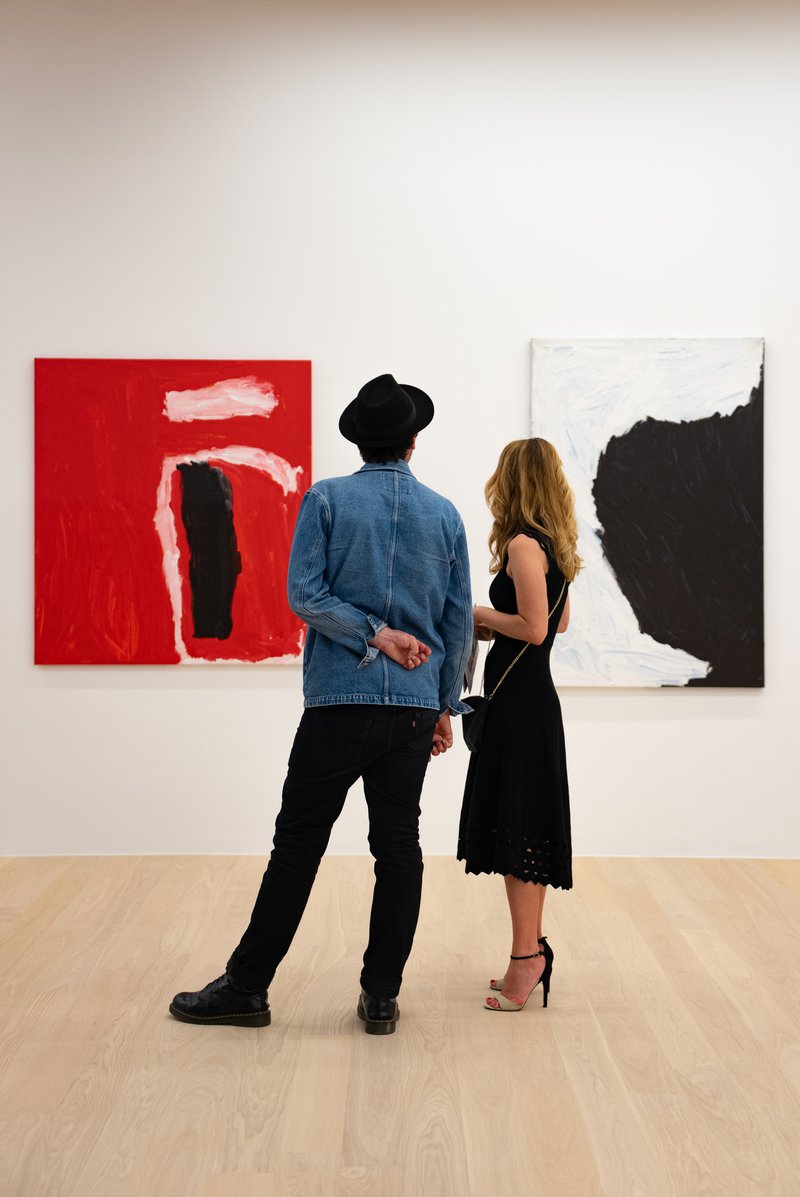
Over the past seven years, Fondation Opale has worked to enhance the visibility and recognition of Indigenous Australian art in Europe. This effort has unfolded on two fronts: first, by engaging contemporary art professionals – museum directors, curators, artists – in meaningful discussions on the depth and relevance of this artistic movement within global narratives; and second, by reaching broader audiences in Switzerland and across Europe, through partnerships and collaborations that celebrate contemporary expressions of Australia’s first peoples.
In Lens/Crans-Montana, we propose mostly group exhibitions which open a dialogue between Indigenous and non-Indigenous contemporary artists. Active cultural mediation and public programs, with thematic workshops, artist talks, concerts etc, offer a deeper understanding of the stories conveyed through the artworks.
Throughout Europe, we observe an increasing interest from major institutions in this art movement. Currently, London’s Tate Modern shows a retrospective dedicated to the great Anmatyerr artist Emily Kam Kngwarray, featuring eight works from the Collection Bérengère Primat. This exhibition will then be presented at Fondation Opale from June to November 2026.
Moreover, after lending numerous artworks to institutions such as the Menil Collection, Centre Pompidou, Palais de Tokyo or the Fondation Cartier pour l’Art Contemporain, there are today two upcoming exhibitions which will also feature works from our collections: Le Lieu Unique in Nantes, and the Musée d’Art et d’Histoire in Geneva, which will open this December an exhibition dedicated to leading female figures of contemporary Aboriginal painting, in collaboration with Fondation Opale.
At CIMAM’s Sustainability Working Group, we are currently developing a Set of Ethical Principles for Sustainability Informed by Indigenous Knowledge, aimed at shaping museum and curatorial practices through more relational, context-specific, and restorative approaches. From your experience at Fondation Opale, what can contemporary Aboriginal art teach us about sustainability, community, and our relationship with the environment? How do these narratives of care and interconnection influence your exhibitions and institutional ethos?
Aboriginal cultures, regarded as the world’s oldest continuous living traditions, bear witness to a deeply rooted relationship with the environment. For millennia, Australia’s Indigenous communities have developed sustainable practices – such as water preservation, strict harvesting and hunting, or fire management through low-intensity burns – grounded in a profound understanding of ecosystems and a worldview in which humans exist not above nature, but within it, in interdependence with other living and non-living beings.
Fondation Opale works closely with art centres (cooperatives) that embody the collective expression of community will. These structures play a crucial role in preserving knowledge, territories, and cultural rights, while also protecting artists from exploitation (the infamous “carpetbaggers”).
In our curatorial approach, the values of mutual respect and balance guide our choices: each exhibition is conceived as a journey between the individual voices of the artists and the collective dimension of their culture.
The works and perspectives of Aboriginal artists deeply inform our institutional approach and values. They invite us to reconsider the very notion of sustainability as a shared commitment, one grounded in respect for all living beings and in mutual responsibility.
Fondation Opale has a strong commitment to public mediation and education. Could you share some examples of effective practices or experiences that have successfully connected audiences to the themes explored in the Foundation’s exhibitions?
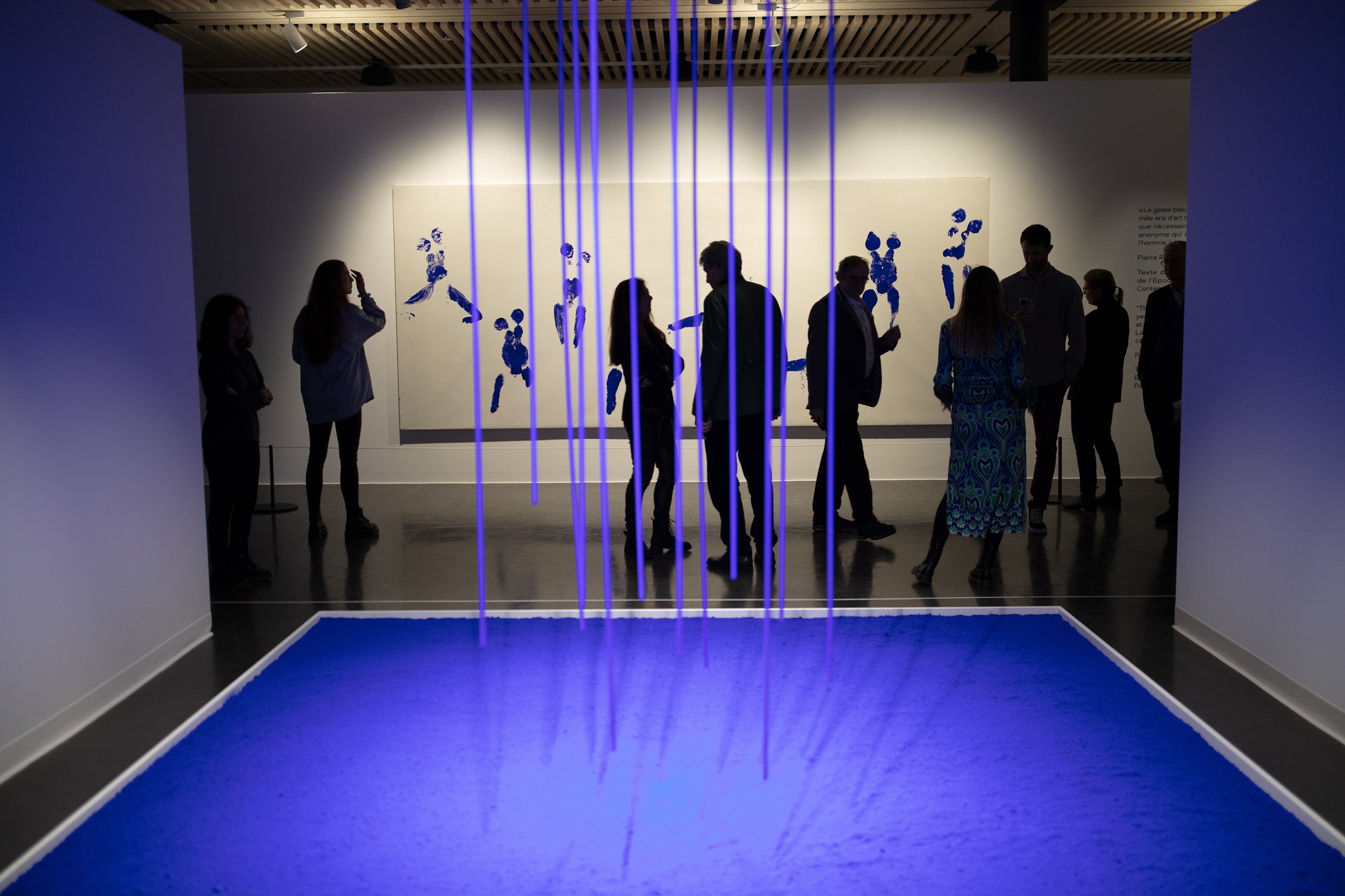
Fondation Opale places great importance on mediation and transmission. Our educational and public programs are designed for a wide audience, offering creative workshops for all ages, guided tours, and various activities and events that enable visitors to engage with the cultures and knowledge of Aboriginal peoples. We also provide different mediation tools – visitor guides, audio guides, and activity booklets – that offer additional insights into the artworks and encourage an active, personalised experience of the exhibitions.
In Lens, we regularly welcome leading artists and custodians who come to share their knowledge, stories, and practices with the public. These moments of direct exchange are particularly powerful, as they go beyond aesthetic appreciation to foster genuine intercultural understanding grounded in respect, dialogue, and lived experience.
These initiatives help connect visitors to the themes explored in the exhibitions, encouraging a sensitive and participatory approach.
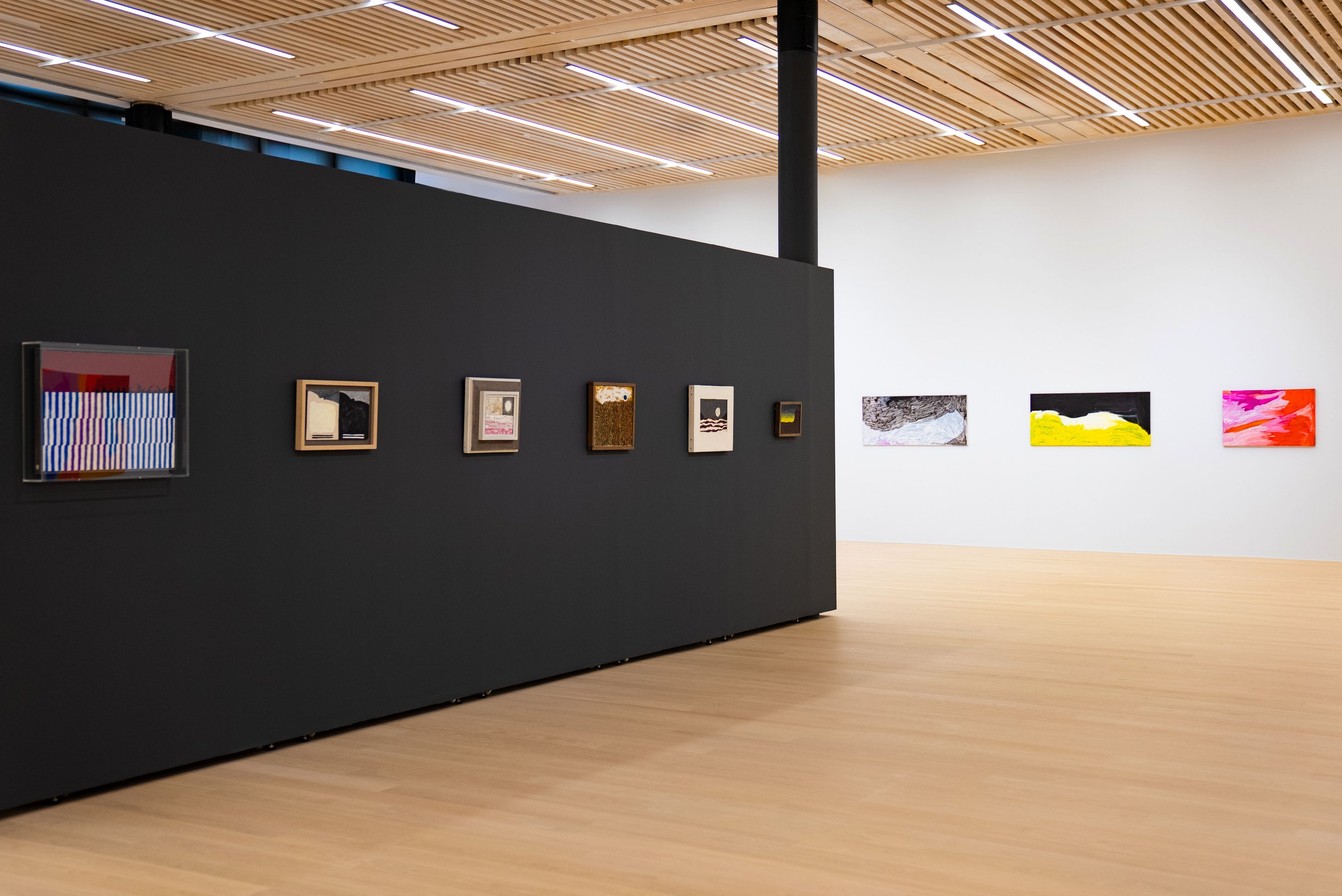
Beyond exhibitions, the foundation plays a vital role in publishing reference materials, supporting academic research, and hosting artist residencies. Could you tell us about some of your recent or upcoming projects in these areas, and how they contribute to deepening knowledge and appreciation of contemporary Aboriginal art?
Beyond its exhibitions, Fondation Opale is actively engaged in publishing, academic research, and supporting artistic creation. We notably support the participation of emerging Indigenous Australian artists in the Sydney Biennale.
We also publish reference works, including the Gay’wu monograph series, which documents the practices and trajectories of important contemporary Aboriginal artists. In addition, our archive centre in Lens/Crans-Montana houses Bernhard Lüthi's archives on all major European exhibitions of Aboriginal art since “Magiciens de la Terre” in 1989. Our library is part of the Swiss university network, providing access to our catalogue and supporting research projects that strengthen exchanges between the academic and artistic fields.
Through these initiatives, Fondation Opale contributes to supporting creation, disseminating knowledge, and promoting the recognition and appreciation of contemporary Aboriginal art, enhancing both the visibility of the artists and the depth of understanding of their practices and cultural contexts, as well as postcolonial concerns which, sadly, remain all too relevant today.
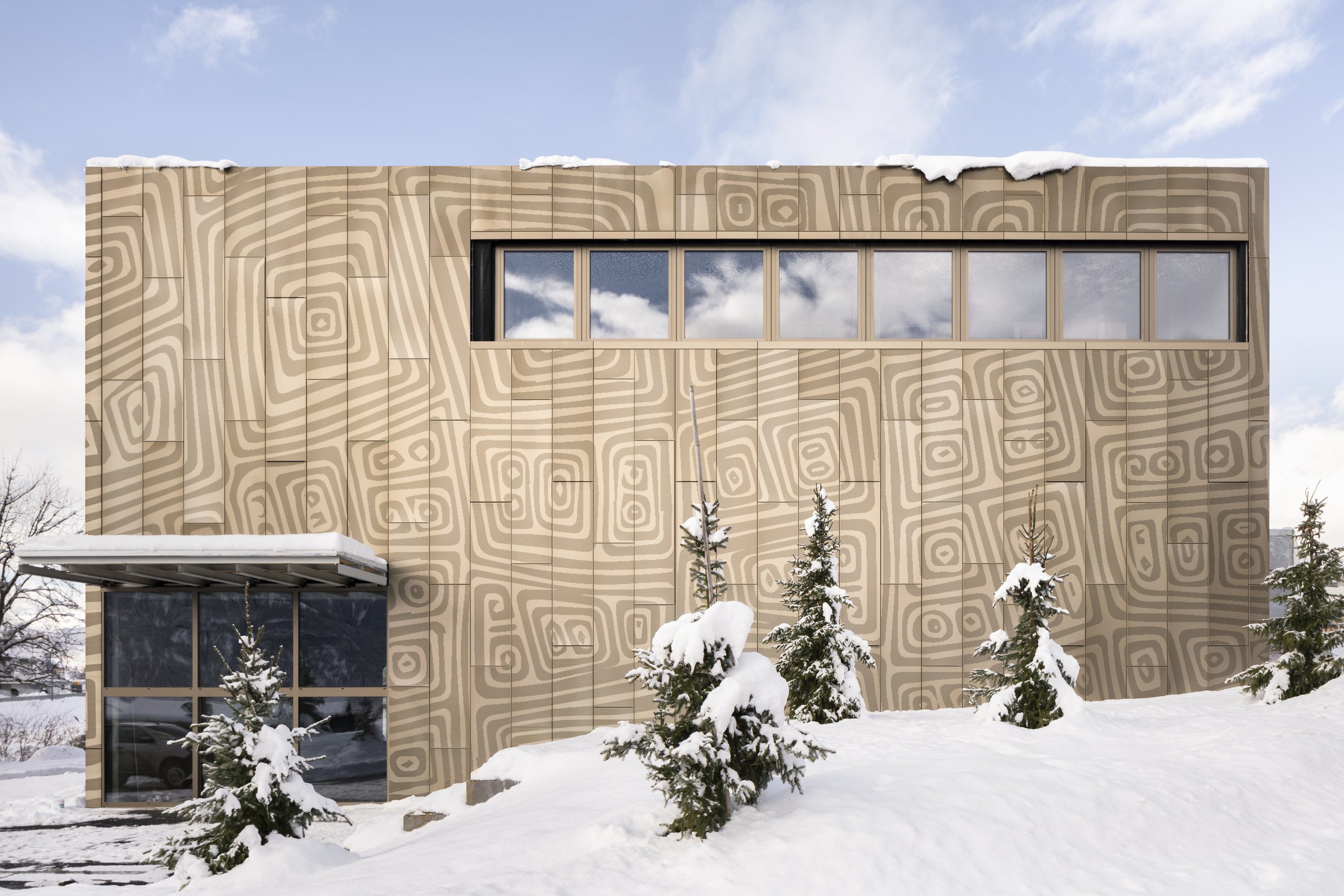
Fondation Opale has recently become a Major Patron of CIMAM. What motivated you to join CIMAM and support its mission? And what do you hope to gain from this collaboration, especially in relation to CIMAM’s global programs on ethical leadership?
Joining CIMAM means sharing common values: promoting cultural diversity, an open, inclusive and responsible vision of contemporary art, and fostering dialogue between cultures. These principles lie at the heart of Fondation Opale’s mission.
CIMAM provides an invaluable international platform for networking, knowledge exchange, and access to specialized resources, which we hold in high esteem. We look forward to continuing to advance our mission with the support of CIMAM’s global network of professionals – strengthening our international visibility, and engaging in a frank, peer-to-peer dialogue on ethical standards and best practices related to Indigenous art.
Reading Recommendations:
- Fondation Opale Catalogue: https://www.fondationopale.ch/en/your-visite/
- Marcia Langton’s books, in particular:
- The welcome to country handbook: a guide to Indigenous Australia
- 65,000 years: a short history of Australian art
- Wally Caruana’s book: Aboriginal Art