Tāmaki Paenga Hira – Auckland War Memorial Museum
The Museum tells the story of New Zealand, its place in the Pacific and its people.
The Museum is a war memorial for the province of Auckland and holds one of New Zealand's top three heritage libraries. It has pre-eminent Māori and Pacific collections, significant natural history resources and major social and military history collections, as well as decorative arts and pictorial collections.
Name of the practice nominated: Te Aho Mutunga Kore
Describe the practice, program, or project, what innovative approach is proposed, and in which core museum activities it applies:
Te Aho Mutunga Kore: the eternal thread of knowledge is a textile and fibre centre for Māori and Pacific within Auckland Museum. The Museum holds important collections of historical and contemporary Pacific and Māori taonga (artworks). Auckland is home to the largest Pacific and Māori population in the southern hemisphere and these communities continue to remind the museum that sustained access is required to support knowledge sharing, cultural resilience and creative practice. Within the museum’s day-to-day activities, there are limited opportunities for descendant communities to deepen their engagement and creatively respond to collections.
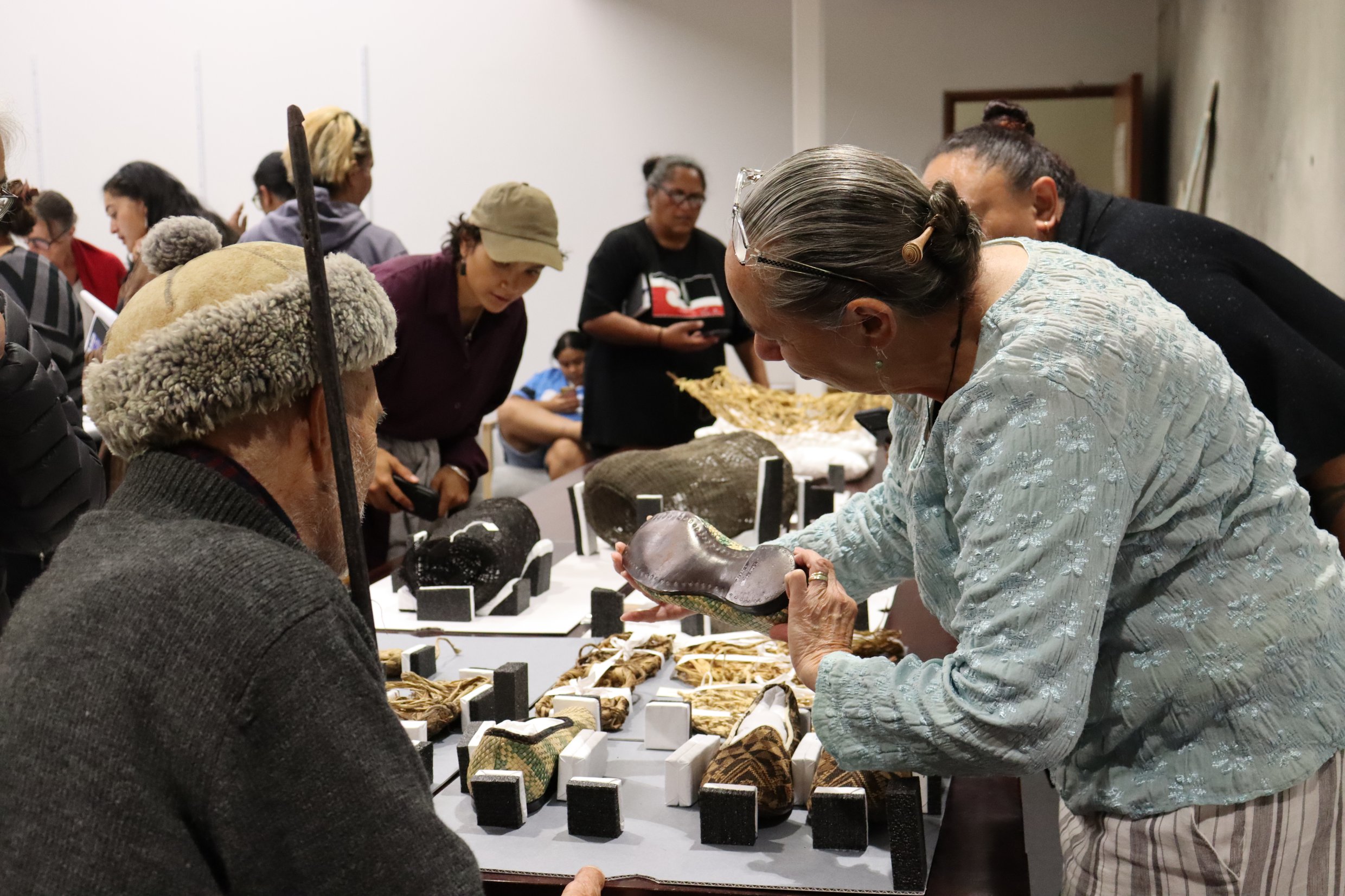
Te Aho Mutunga Kore, therefore, focuses on the voices and creative practices of Māori and Pacific women. We foster engagement with collections to forge a hononga (connection) and support artists in connecting, revitalising, and innovating their practice. Through these activities, we nurture innovation through taonga tuku iho (intergenerational learning). This is achieved through challenging aspects of core museum activities including conservation, education, research, accessibility, communication, governance, and sustainability. A culturally grounded approach underpinned by Māori uara (values) fosters community collaboration and sustains reciprocal relationships.
Te Aho Mutunga Kore has achieved proof of concept, demonstrating the transformation a different cultural vision can bring. No other organization or institution has been set up to connect artists, communities, practitioners, knowledge holders and cross-cultural artisans of Māori and Pacific descent to their taonga. Our activities de-centre the museum, hands agency and authority to communities and prioritises outcomes within and for the creative communities, supporting new standards nationally and internationally.
Explain in one sentence why you think the project you nominate is outstanding and could serve as an example for the entire community of modern and contemporary art museums.
Traditionally community collaborations prioritised museum outcomes and closed relationships at the project end; Te Aho Mutunga Kore centres community access and art practice and orientates museum resources to sustaining relationships through an ongoing responsive model.
Explain why this practice or program is relevant and sustainable in creating meaningful and lasting connections with people, communities, and the museum context with a medium to long-term vision.
Key to the success of the rich creative outcomes Te Aho Mutunga Kore nurtures is our Community Navigator role. Our values guide them to realise novel approaches to engagement, care and creative works. The role facilitates conversations and is responsive and inherently nurturing; at its core, it helps alleviate some of the work the community usually do when they interact with institutions. A community-led approach means we learn to develop agreements, projects, deadlines, access, and knowledge with the intent of reciprocity and sustainability. This means advocating for the best collective practices of care and delivering suitable outcomes respective to each practitioner group’s values and needs. Communities of practice are formed where artists and cultural knowledge holders engage with their emergent makers to pass on technical and cultural knowledge, weaving connections to artworks. With these relationships comes the richness of co-guardianship, cultural capacity, knowledge and skills ensuring creative responses flourish.
What are the outcomes of the practice you are most proud of?
We are proud to have embedded structural change in the museum. This was realised when the museum gave us a dedicated space for visits and transferred contract roles to permanent. The communities welcomed this long-term commitment. When accessing the collections, we set aside gloves and recognised the needs of taonga to be handled by their descendants, nourishing and weaving connections that have influenced emerging artistic responses.
Dedicated space, funding and staffing enable us to continue to host and support artists on their terms. As a result, makers regularly return and continue to respond to the artworks and strengthen their creative practice. New contemporary works connect to collections and have been gifted to cultural leaders, displayed in art galleries and shared at home amongst the wider community. Impacts have snowballed out from the museum and into communities, sparking new projects and the desire to sustain and extend relationships with us.
How has the nominated practice changed your methods and ways of working?
Museums run on Western timelines framed through disciplinary practice. Through our external and responsive focus and culturally grounded values, we have transformed our work and embraced community timelines. Our values are:
• Whakapono – truthful relationships and trust in each other
• Tiaki and manaakitanga – the continued care and reciprocity of knowledge and skills that uplifts the Mauri (life force) of taonga, people and place
• Kotahitanga – working together as one
• Hōhonutanga – deep profound connections for all acknowledging the whakapapa (genealogy) to taonga and each other
• Āhurutanga – respectful relationships supporting the safety of taonga, people and space
We open the door on their terms and hold it open for the long-term. To transform the museum’s approach in established disciplines, we run staff wānanga (forums) to share the values and an alternative cultural approach. For communities, our dedicated staff and space, and unique funding model provide confidence in our commitment.
https://www.aucklandmuseum.com/discover/projects/te-aho-mutunga-kore