Museo de la Solidaridad Salvador Allende - MSSA
The Museo de la Solidaridad Salvador Allende (MSSA) is a museum of modern and contemporary art with one of the most important collections in Latin America: its collection includes more than 3,100 works, a number that continues to grow thanks to new donations from contemporary artists of historical significance.
Over the years, the museum has established itself as an institution renowned for its unusual history, its curatorial approach to art and commitment, and its work in mediation and community outreach.
Name of the practice nominated: Mediation and community outreach Program.
Describe the practice, program, or project, what innovative approach is proposed, and in which core museum activities it applies: conservation, education, collection, exhibition programs, publications, research, accessibility, communication, governance, and sustainability.
The Museo de la Solidaridad Salvador Allende (MSSA) is a museum of modern and contemporary art with one of the most important collections in Latin America: its collection includes more than 3,100 works, a number that continues to grow thanks to new donations from contemporary artists of historical significance. The beginnings of the MSSA date back to early 1971 in Santiago, Chile, when the idea arose to promote the donation of works of art in artistic circles in America and Europe that would enable the Popular Unity government to create a museum for the people of Chile. The conviction and support of President Salvador Allende was key, as he understood the historical significance of this initiative and created the institutional conditions necessary to develop this ambitious and utopian project, which remains in place to this day.
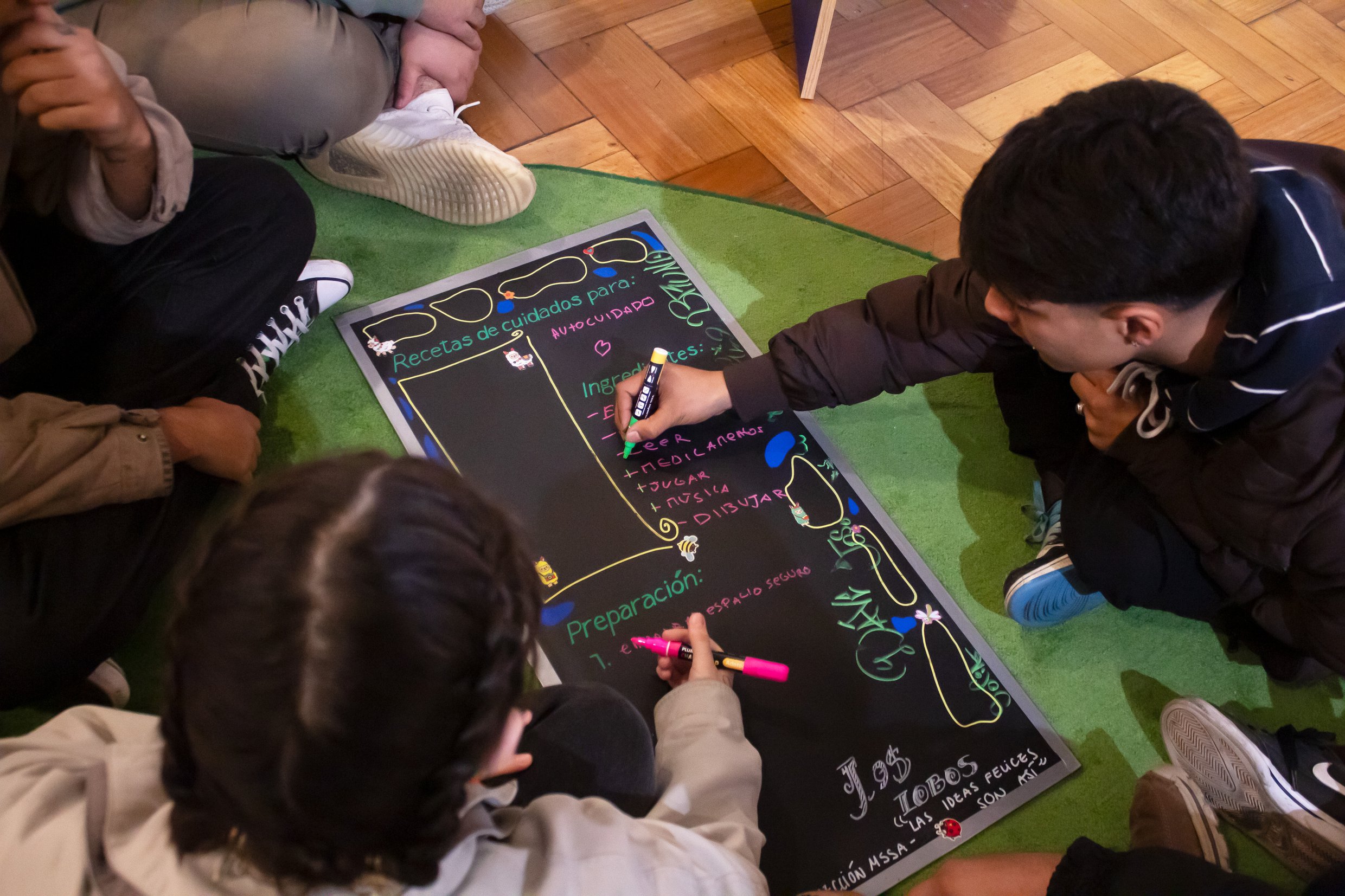
Over the years, the museum has established itself as an institution renowned for its unusual history, its curatorial approach to art and commitment, and its work in mediation and community outreach. The MSSA mediation and community outreach program builds bridges between contemporary art and local communities by fostering dialogical, participatory processes that prioritize mutual learning, historical memory, and social justice. By anchoring its work in long-term relationships, interdisciplinary collaboration, and context-specific methodologies, it sustains an evolving cultural ecosystem where the museum is not just a site of exhibition but a living space of encounter, reflection, and collective creation. This sustainable framework ensures that communities see themselves as active protagonists in the cultural narrative.
Explain in one sentence why you think the project you nominate is outstanding and could serve as an example for the entire community of modern and contemporary art museums.
The MSSA’s mediation program stands out for its emotionally engaged, inclusive, and critically pedagogical approach, making contemporary art accessible through co-created, non-standardized experiences that center community voices and lived realities.
Explain why this practice or program is relevant and sustainable in creating meaningful and lasting connections with people, communities, and the museum context with a medium to long-term vision.
This program is relevant because it fosters deep, reflective engagement with art through critical pedagogy and flexible, inclusive methodologies tailored to diverse publics. Rather than offering standardized experiences, the MSSA encourages emotional connection, dialogue, and doubt as central to participation, placing value on personal and collective memory. A key aspect of its sustainability is its active role in the República neighbourhood, one of Santiago’s architecturally richest areas, where the museum collaborates with residents and local groups like the Heritage and Culture Committees. Through workshops, meetings, and shared projects, the museum contributes to building new forms of coexistence, respect, and dialogue—positioning itself not only as a cultural institution, but also as a civic actor deeply rooted in its local community. This integration ensures lasting connections that evolve alongside the museum and its neighbours.
What are the outcomes of the practice you are most proud of?
We are most proud of how communities—especially from educational, social, and cultural backgrounds—have found in the MSSA a safe, stimulating space for questioning, expressing, and creating. These outcomes are visible in the co-construction of experiences, where participants relate contemporary art to their lives, activate collective memory, and rethink their relationship with museums. The variety of engagement pathways has made the museum more permeable and relevant, contributing meaningfully to the democratisation of access to art and culture.
How has the nominated practice changed your methods and ways of working?
This practice has transformed our way of working by rejecting rigid formats and embracing multiplicity in participation. It has redefined mediation not as transmission, but as an open process of dialogue and co-creation rooted in care and affect. We now prioritize listening, adaptability, and collaborative meaning-making, which has led to greater integration between curators, educators, and community groups. Our methods have become more horizontal, context-sensitive, and emotionally aware, aligning institutional practices with the lived experiences and needs of our audiences.