MAO Museo d'Arte Orientale
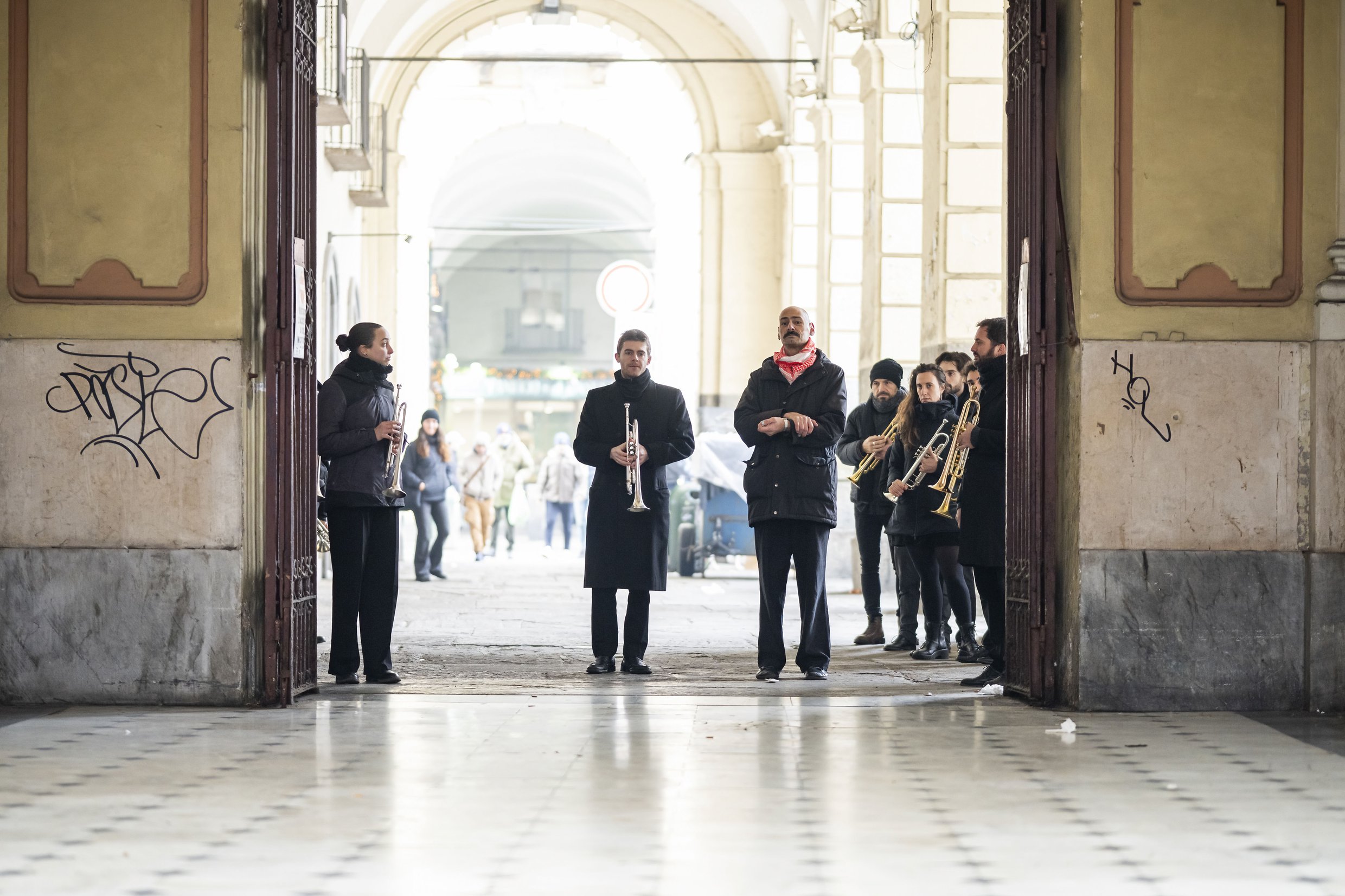
MAO Museo d'Arte Orientale, Turin, Italy.
Inaugurated in 2008 in the historic venue of Palazzo Mazzonis, MAO Museo d’Arte Orientale holds one of the most prestigious collections of Asian art in Italy and in Europe. MAO is not just a place where the collections are presented to the public. It is an experimental site to activate the collections through exhibitions and performances.
Name of the practice nominated: The Museum of the Non-Object: Redefining Engagement Through Experience, Care, and Community
Describe the practice, program, or project, what innovative approach is proposed, and in which core museum activities it applies:
The practice we are nominating is a holistic and evolving museum methodology composed of interconnected projects that collectively redefine the museum’s role in contemporary society. At its core, it embraces a shift from object-centred display to experience-driven engagement, with the museum serving as a dynamic platform for personal and collective transformation. One strand focuses on the reinterpretation of sacred objects through tactile interaction, enabling visitors to experience works through touch, promoting accessibility and multisensory understanding. (Project for Sensory Accessibility with Natascia Fenoglio).
Another strand positions the museum as a space of well-being for both visitors and staff, incorporating training and wellness programs that cultivate a supportive, inclusive environment. (ASBA Program) Culturally, the museum acts as a translator of fluid identities and movements across Eurasia, dissolving geographical and symbolic boundaries. Through collaborations with artists, objects are transformed into catalysts for new perspectives, challenging conventional narratives. This practice also emphasizes performative experiences beyond museum walls, engaging the city with participatory projects. By doing so, the museum extends its role into the urban and civic landscape, becoming a hub of communal experiences. (Porta Palazzo Calendar Project and Performance) Ultimately, this multifaceted practice reshapes the museum into a space of lived experience, dialogue, and care: a "museum of the nonobject," where value resides not solely in preservation, but in the capacity to create meaningful, lasting connections between people, artworks, and the world around them.
Explain in one sentence why you think the project you nominate is outstanding and could serve as an example for the entire community of modern and contemporary art museums.
This project exemplifies a transformative and inclusive museum practice that dissolves boundaries—between cultures, objects, and people—placing human experience at the core of the institution.
Explain why this practice or program is relevant and sustainable in creating meaningful and lasting connections with people, communities, and the museum context with a medium to long-term vision.
By prioritizing sensorial, emotional, and participatory experiences over object-centred display, the project creates deep and personal connections with diverse audiences. Its inclusive approach embraces different forms of knowledge and interaction, fostering long-term engagement through education, community integration, and wellbeing. The museum becomes a responsive, dynamic presence in the city and its cultural ecosystem, continually shaped by dialogue, transformation, and accessibility. This vision ensures sustainability by cultivating a sense of shared ownership and relevance that adapts over time to evolving social and cultural contexts.
What are the outcomes of the practice you are most proud of?
We are most proud of the museology practices we’ve established. Having redefined the museum as a space of emotional and cognitive experience rather than solely academic knowledge, our practice has shifted the museological focus from delivering a single, linear narrative to creating a plural and open framework where content is problematized. By prioritizing experiential engagement, we have transformed the museum into a space of inquiry, reflection, and dialogue—where feeling and thinking are equally valued. This outcome has proven to be especially impactful, reinforcing the museum’s role as a place of meaning-making, not just meaning-delivery.
How has the nominated practice changed your methods and ways of working?
This practice has profoundly reshaped our approach, shifting from object-centric curation to experience-driven, inclusive processes. We now prioritize co-creation with artists and communities, emphasizing dialogue, adaptability, and emotional resonance. Our programming views wellbeing and accessibility as core components rather than supplementary features. We’ve adopted a more fluid, interdisciplinary methodology that embraces diverse perspectives and modes of engagement.