Instituto Inhotim
The Inhotim Institute permanently exhibits a collection of contemporary art of internationally recognized excellence. Touring its gardens, galleries and outdoor works in the midst of the landscape offers artists and visitors a unique exhibition model, in which art and landscaping intertwine to create a joint and unique experience.
Brumadinho,MG, Brasil
Name of the practice nominated: Inhotim + Brumadinho: Methodologies for a museum-territory relationships
Describe the practice, program, or project, what innovative approach is proposed, and in which core museum activities it applies:
Inhotim is an open-air museum and botanical garden with a significant collection of contemporary art, located in Brumadinho, Minas Gerais state. It was established in 2006, housing a private collection, and in 2022 began transitioning to a new management model, with a public purpose and financial independence from its founder.
With the motto "Inhotim for All and By All," the museum is focused on strengthening its public and participatory character. One of the premises of this new phase is to deepen ties with the local population. Diagnoses conducted in 2023 revealed that the museum had weak and discontinuous links with the community.
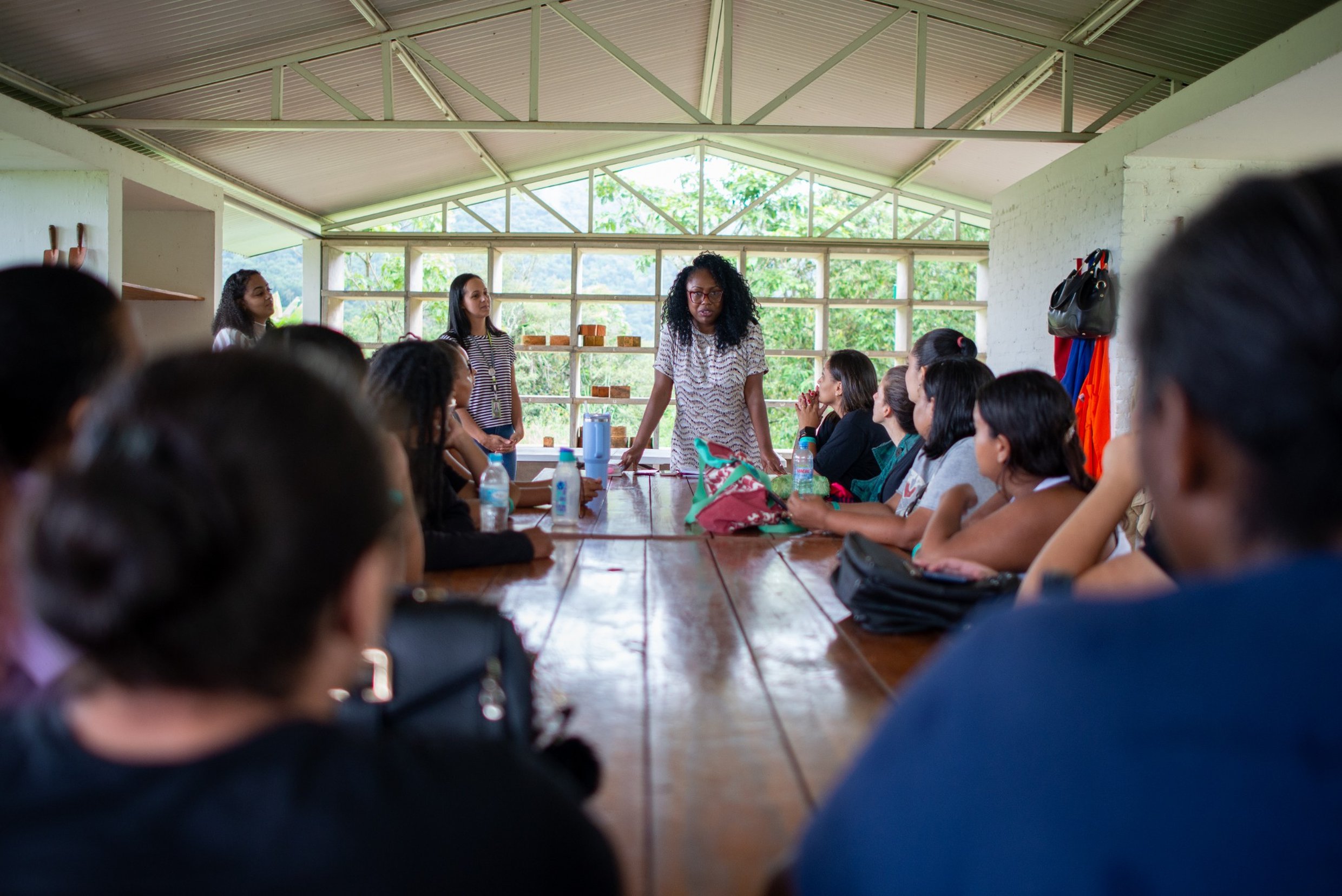
Aiming to improve the museum's credibility among the local population, the education department, created in 2023, restructured programs for residents. The goal was to break away from the paradigm where the population is seen as a target or potential audience, and instead create processes for the collective construction of the museum's occupation and the affirmation of its local relevance by its neighbors.
Therefore, we are interested in presenting the methodology responsible for the recent change in how Brumadinho residents relate to Inhotim. This methodology is structured around 6 premises: [1] Know - map the territory and local actors to deconstruct the idea of a community as a homogeneous and abstract given; [2] Listen - create and maintain frequent spaces for dialogue, aimed at evaluating the museum and proposing locally relevant modes of action; [3] Move - be part of the city's daily life, be present in the territory; [4] Address - transform the population's evaluations and contributions into concrete, official, and budget-allocated actions; [5] Communicate effectively - adapt communication formats to different local realities; [6] Measure - generate data for participatory and transparent evaluations of the impacts of this close action.
Based on these premises, new projects were created, and today we see a scenario of integration, improved reputation, and increased visitation from the Brumadinho population to Inhotim.
Explain in one sentence why you think the project you nominate is outstanding and could serve as an example for the entire community of modern and contemporary art museums.
More than working to make the local community a frequent visitor to the museum, it makes the museum a place of coexistence, collective knowledge production, and an active participant in solving local problems and aspirations.
Explain why this practice or program is relevant and sustainable in creating meaningful and lasting connections with people, communities, and the museum context with a medium to long-term vision.
Inhotim's educational initiatives in Brumadinho—including Experiência Brumadinho, Lab Mães, Lab Jovens, Nosso Inhotim, and Lab Jardins—are highly relevant and sustainable in forging deep, lasting connections with individuals, communities, and the museum's unique context. These programs go beyond transient engagement, demonstrating a clear medium to long-term vision.
By actively involving locals in various capacities, from artistic exploration to environmental education, Inhotim empowers residents and fosters a sense of ownership and belonging. This collaborative approach builds trust and strengthens community ties, ensuring that the museum is not just a destination but an integral part of Brumadinho's social fabric. This sustained engagement creates a reciprocal relationship, enriching both the lives of the participants and the evolving narrative of Inhotim.
What are the outcomes of the practice you are most proud of?
The increased credibility of the museum with the local population is reflected in the following results: 2023: Publication of a book about four quilombola communities, using a participatory methodology, with an accessible audio version and the mobilization of over 100 local agents. 66% increase in audience attendance for the "Próxima Parada Inhotim" project, observed between the first and last editions of 2024.
102% increase in museum visits by residents between January and March 2025, compared to 2024.
Creation of the "Experiência Brumadinho" Program, with the participation of 92 local producers and the selection of 60 exhibitors for 2025.
2025: Creation of adult training programs titled "Lab Mães" and "Lab Jardim," which together generate an annual income of R$ 150,000 for men and women, promoting continuous education and access to income.
How has the nominated practice changed your methods and ways of working?
First, it transforms what the museum understood by community, pushing us to move beyond abstraction and deal with real people, problems, and aspirations.
We now invite the entire museum – and not just sectors traditionally linked to audiences – to act as agents of community mobilization.
We make listening and participation our methodology for budget and program planning, incorporating the desire for continuity, criticisms, and suggestions from the local population as data for decision-making.
We understood, with the question: "How can Inhotim be relevant to the city of Brumadinho?", that the population sees the museum as a lever for the development of local identity, economy, and culture – and not just an excellent international space for global contemporary art.
With this, we have worked not to attract the local population as frequent visitors, but to make the museum a place of coexistence, collective knowledge production, and an active participant in solving local problems and aspirations.
Official Website: https://www.inhotim.org.br/publicacao/o-quenosso- povo-contou/