Index - The Swedish Contemporary Art Foundation
With a history going back more than 40 years (and with the form of a foundation since 1998), Index has been an important addition to the artistic context in Stockholm and the art world of northern and central Europe. Exploring the cultural sphere through contemporary art, Index works with international as well as local artists with the emphasis on collaboration.
The size of Index is “human” and the contact with its visitors is defined as a permanent dialogue. Being placed at the center of Stockholm helps Index to be understood as a key institution and node within contemporary art networks.
Index has multiple public roles as an art institution. We are a platform for artists and for audiences, understanding that the role of an art institution like Index does not begin and end with an exhibition – instead there is an ongoingness to the activities, research processes, learning programs and relationships between Index, artists and audiences. Index works with an artistic conceptual approach that aims to carve out space and time for criticality, dialogue, curiosity and building discursive situations that develop the role of art today.
Name of the practice nominated: Index Teen Advisory Board (ITAB)
Describe the practice, program, or project, what innovative approach is proposed, and in which core museum activities it applies:
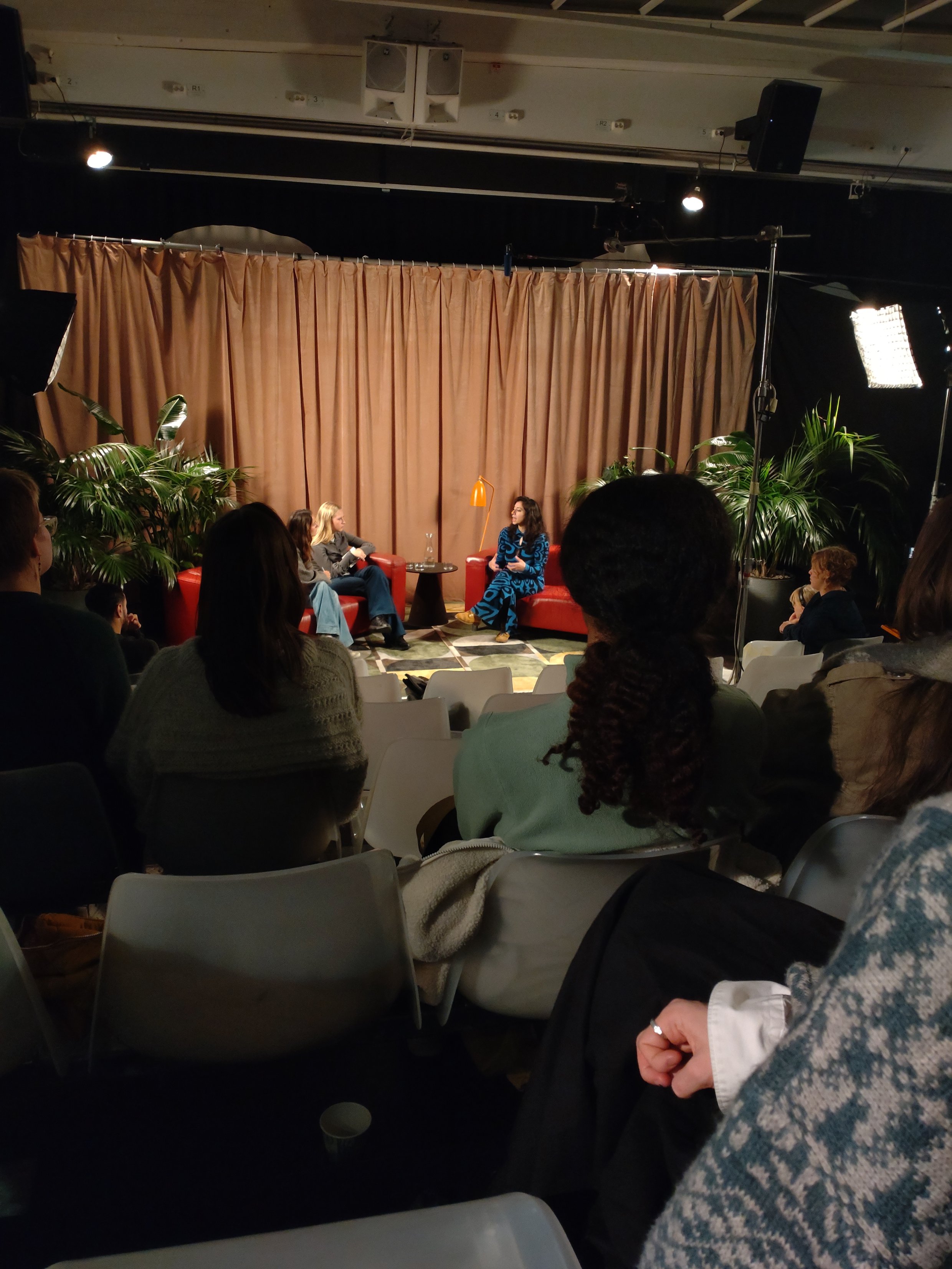
For the past 10 years, Index has been running Index Teen Advisory Board (ITAB). Each year, 10 young individuals with diverse experiences are elected for salaried positions in an advisory board for Index. This board holds monthly meetings with artists, curators, representatives from other institutions, and are asked to reflect on topics such as content, communication, audiences, and the core ideas of contemporary art. The setup thus provides a reciprocal learning opportunity exposing the young board members to new contexts and people, whilst gathering new insights and ideas from thinkers who have not yet adapted their thinking and behaviors to fit the status quo of the art world. After running this program and establishing a methodology, Index has assisted further institutions in developing similar structures. Over the past few years, Index has collaborated with Praksis (Oslo) and Publics (Helsinki), supporting them in two main areas: first, helping them establish their own advisory boards, and second, creating a shared program that allows the three young boards to meet and discuss ideas beyond borders. The role of the ITAB is to influence the institution on multiple levels. We don’t ask the board to suggest specific artists or cultural practitioners (as we, the professionals, are responsible for this) but to challenge how the institution communicates, how to build strong relationships with audiences, and how to address social, class, gender, and racial disparities in contemporary art. Their work has had a significant impact on various aspects of the institution: education, programming, research, governance, and communication. Through ITAB, we have produced podcasts, videos, festivals, publications, and many other compelling initiatives that have forced the institution to listen to new voices.
Explain in one sentence why you think the project you nominate is outstanding and could serve as an example for the entire community of modern and contemporary art museums.
Creating a young advisory board, such as ITAB (Index Teen Advisory Board), provides museums and art institutions with the opportunity to listen to future practitioners, cultural workers, and visitors. Including young people in the institutional realm from an early age not only changes their perception of what an art institution can be, but also equips them with the tools to define new models for the future.
Explain why this practice or program is relevant and sustainable in creating meaningful and lasting connections with people, communities, and the museum context with a medium to long-term vision.
The Index Teen Advisory Board is a fantastic tool for engaging with both current and future art practitioners and visitors. As participants in ITAB take on institutional responsibilities—and hold agency across many layers of the organization—they form a unique connection with Index and often become future ambassadors. Through their experience on the board, they gain valuable insight into institutional methodologies, goals, and values, effectively becoming “part of the institution.” Over the years of running ITAB, we’ve seen how they return, bring friends and family, and maintain a strong, personal connection with Index. At Index, we are fully aware of the challenges museums face when working with young people. Engaging with a dedicated group over an extended period allows us to build lasting connections.
What are the outcomes of the practice you are most proud of?
One of the most valuable outcomes of the Index Teen Advisory Board is that, after years of working with groups of young people, we’ve been able to foster a sense of community that feels genuine ownership of the institution. They see Index as their own, and from this place of belonging, they are able to engage with museums and art centers from a position of knowledge and experience. Perhaps the most powerful outcome of ITAB, however, is that their presence and questions compel us to become truly attentive listeners. Institutions often struggle to genuinely listen to their audiences—but when faced with ITAB’s direct questions and feedback, we are continually challenged to reflect on and reassess our actions. Their insights allow us to better understand how the institution is perceived, and what citizens expect—and hope for—from a contemporary art space.
How has the nominated practice changed your methods and ways of working?
Thanks to ITAB, we have made meaningful changes to our programming, rethought our communication strategies, and considered what kinds of references resonate with different generations. Often, we receive honest, unfiltered feedback from the group that helps us shape and refine our approach. A strong example of this came when one ITAB group told us that, as young people, they sometimes don’t feel invited to exhibitions—whereas a festival format feels more open and aligned with their curiosity. In response, we began reimagining some of our “exhibitions” as “festivals”—offering similar content and lines of inquiry, but with different temporal structures and presentation styles—so that more people would feel welcomed and engaged.
Official Website: www.indexfoundation.se