Chinese Canadian Museum
In 2017, the Province of B.C. announced its commitment to establishing a museum dedicated to celebrating the Chinese Canadian community. A working group consisting of community members and scholars was formed to lead consultations across B.C. to determine this museum's public needs and primary functions.
Vancouver, Canada.
Name of the practice nominated: Exhibition Programming
Describe the practice, program, or project, what innovative approach is proposed, and in which core museum activities it applies:
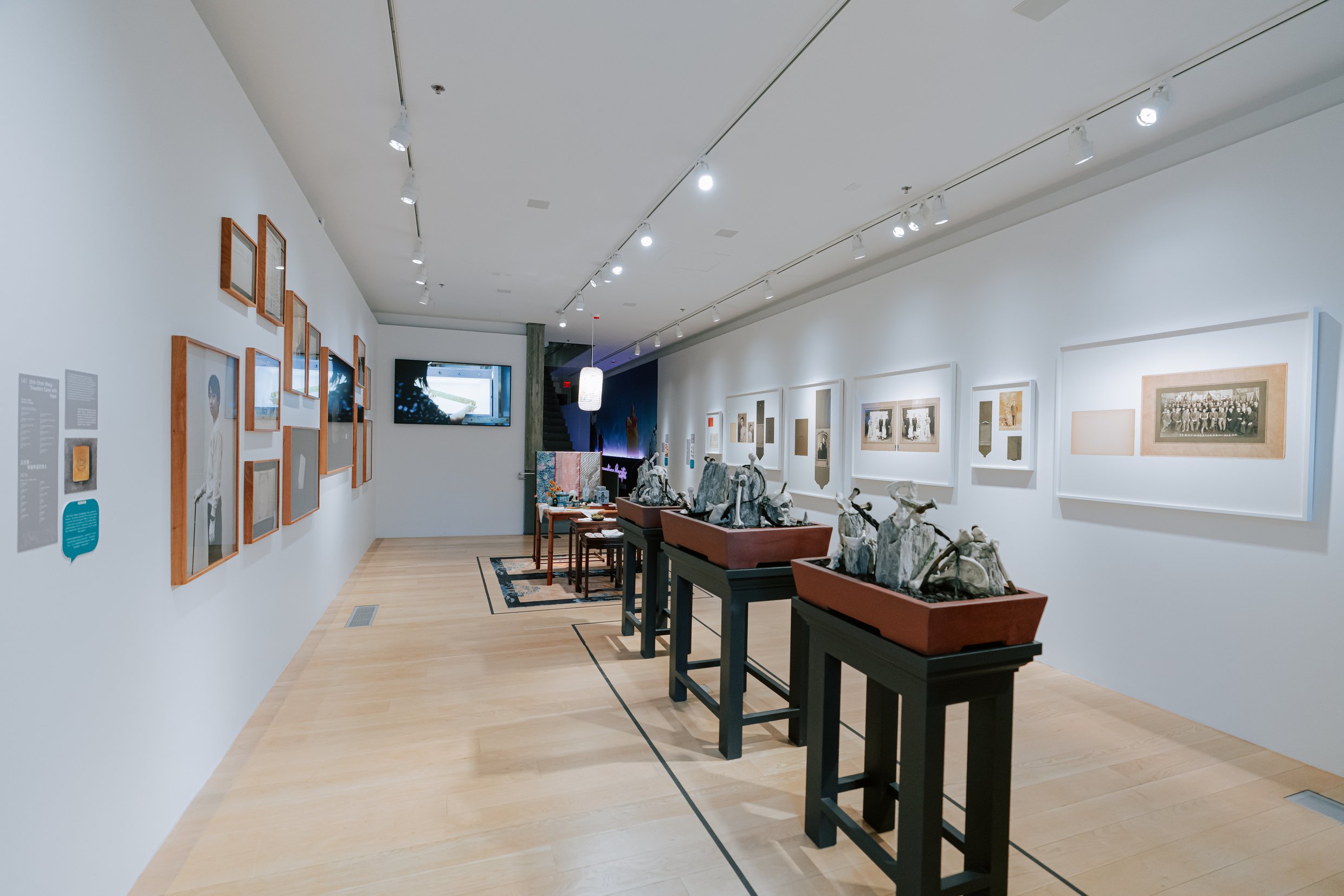
Reshaping Collections – Where History Meets Art is an innovative exhibition at the Chinese Canadian Museum (Vancouver, Canada) that exemplifies transformative museum practices in its convergence of historical archives with contemporary art. Launched on September 25, 2024, and running through September 28, 2025, this innovative exhibition uses the renowned Wallace B. Chung and Madeline H. Chung Collection (an archive of over 25,000 artifacts and documents) as the foundation for new contemporary artworks. Six Chinese Canadian artists from across Canada were commissioned to research the Chung Collection and create original artworks in response, resulting in a dynamic dialogue between history and art. A pioneering use of 3D scanning and digital technology enabled artists to 3D scan and reprint historical objects as contemporary artworks, challenging traditional boundaries between museum preservation and contemporary creative interpretation. Through interactive media, accessible storytelling, and community-centered programming, the exhibition fosters intergenerational dialogue and addresses themes of cultural redress and reconciliation. The exhibition aims to explore the rich tapestry of Chinese Canadian history by intersecting it with contemporary artistic expression. By using artifacts and stories from the Chung Collection as inspiration, the show offers visitors “innovative perspectives on our collective heritage”. The goals of the exhibition include: (1) reimagining historical materials through art to make history engaging and relevant to present and future generations; (2) leveraging digital technology to enhance interpretation of museum collections; and (3) fostering dialogue around Chinese Canadian identity, legacy, and the ongoing process of cultural redress. The exhibition serves as a platform where history meets art to facilitate learning, reflection, and community connection.
Explain in one sentence why you think the project you nominate is outstanding and could serve as an example for the entire community of modern and contemporary art museums.
Rather than displaying original artifacts in isolation, the curators chose to reshape and modernize the way we do museum exhibitions by integrating historical content with contemporary art practice, offering fresh perspectives on Canadian identity and immigrant experiences, making the past relevant in today’s context.
Explain why this practice or program is relevant and sustainable in creating meaningful and lasting connections with people, communities, and the museum context with a medium to long-term vision.
Collections with a strong focus on public engagement. Featuring six Chinese Canadian artists from across the country, the exhibition broadened the museum’s national reach and created meaningful ties with communities beyond Vancouver. Public panels and opening talks offered spaces for dialogue on art, history, and identity, while school tours aligned with curriculum goals in social studies. Interactive elements—including bilingual text and 3D-printed artifact replicas—encouraged hands-on learning and made the exhibition accessible to diverse audiences. Visitors have described the show as moving and eye-opening, sparking both pride and reflection. Marking the 25th anniversary of the Chung Collection, the exhibition celebrates this archival treasure by creatively merging heritage and art. In doing so, it demonstrates how thoughtful, community-driven innovation can transform existing resources into powerful, original experiences.
What are the outcomes of the practice you are most proud of?
The impact of Reshaping Collections has been profound: it has created new avenues for the public to understand Chinese Canadian history, empowered artists to tell community stories in innovative ways, and set a precedent for how museums can be both guardians of history and agents of artistic innovation. It demonstrates a structural transformation in museum thinking – one where collaboration, technology, and community co-create meaningful experiences. The exhibition excels in curatorial innovation, transforming archival materials into imaginative artworks that educate and inspire. It leads in digital integration, employing 3D scanning, printing, and multimedia interactives to enrich interpretation and accessibility. It shines in community engagement, serving as a conduit for intergenerational learning, dialogue, and healing – particularly significant for a community still in the process of seeking redress for historical injustices. In doing all this, the project stays true to the museum’s mission of connecting stories and promoting inclusion for all, while also offering a template for global best practices in the museum sector.
How has the nominated practice changed your methods and ways of working?
Crucially, Reshaping Collections has also changed and contributed to the ongoing process of cultural redress and historical reconciliation for the Chinese Canadian community. The very existence of the Chinese Canadian Museum has been described as “part of a kind of reparations process” following government apologies for historical anti-Chinese discrimination. By addressing difficult chapters of history through a creative and community-centered lens, the exhibition promotes a difference in museum work and method. Several of the art commissions explicitly grapple with themes of injustice, resilience, and memory. For example, artist Howie Tsui’s sculptural installation features traditional Penjing rock gardens intermingled with model skulls and railway spikes, a poignant reference to the Chinese railway workers who lost their lives building the Canadian Pacific Railway. By artistically memorializing these lives within a familiar cultural form (the Penjing), the piece invites reflection on the sacrifices of early Chinese Canadians and the injustices they endured. Other works similarly bring to light stories of exclusion (e.g. the 1923 Chinese Exclusion Act) and resistance, all drawn from archival evidence and reimagined in art.
Official Website: https://www.chinesecanadianmuseum.ca/ exhibitions/reshaping-collections-where-historymeets- art