Bangkok Art and Culture Centre
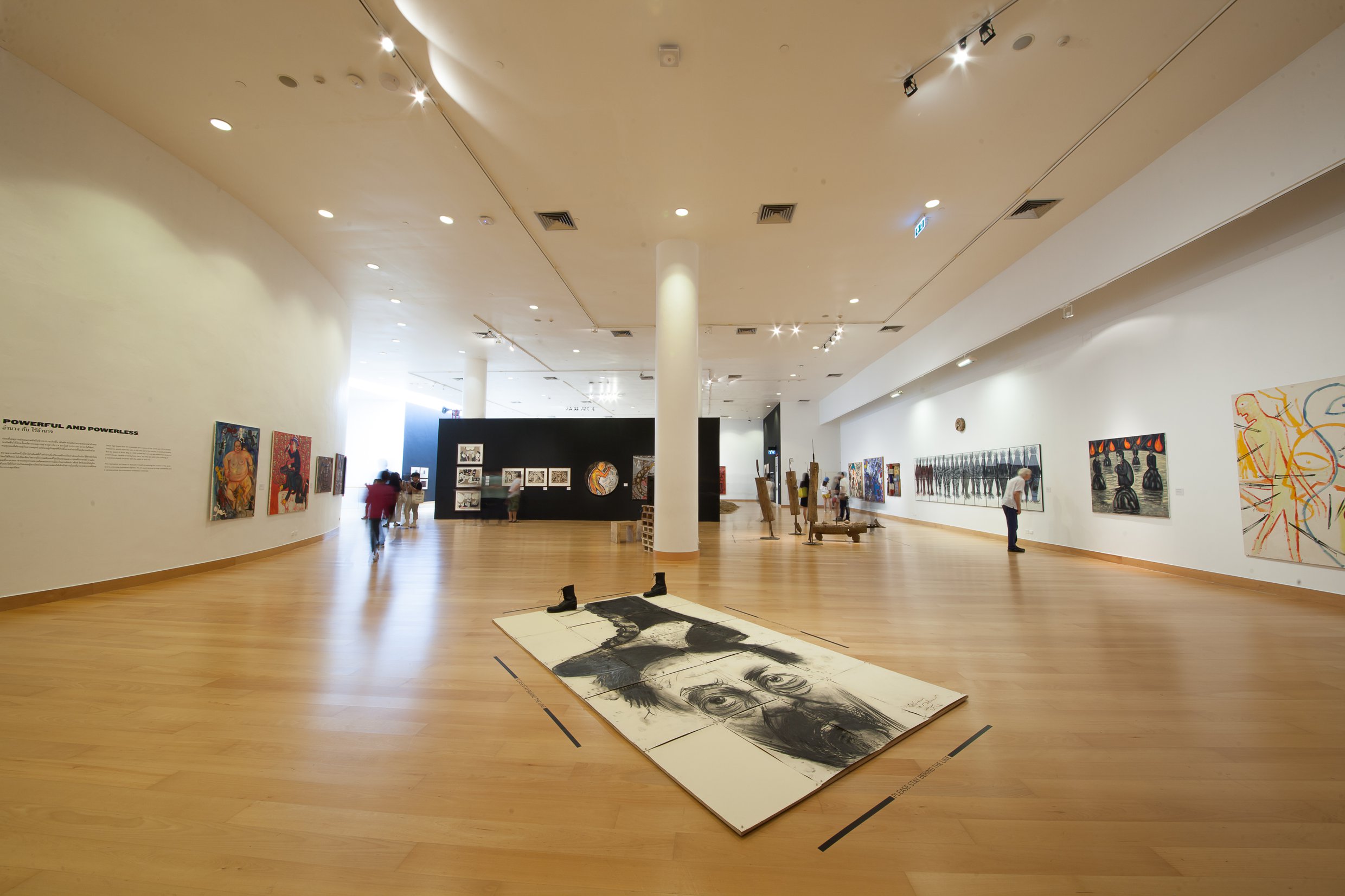
Our establishment came from the devotion of the network of artists who had patiently proposed this project forward for over 16 years until it was finally approved and opened on 29 July 2008 and officially opened on 19 August 2009. This beautiful monumental building at the Pathumwan junction is a learning centre for modern and contemporary art as well as a place of sparking inspirational creativity. The centre is now under the supervision of Bangkok Art and Culture Centre Foundation with establishment and tremendous support by Bangkok Metropolitan Administration.
Name of the practice nominated: AAA Initiative
Describe the practice, program, or project, what innovative approach is proposed, and in which core museum activities it applies:
The Bangkok Art and Culture Centre (BACC) champions a programming practice rooted in inclusivity, experimentation, and critical engagement for 3 key stake holders within the Thai art ecosystem: Artist, Art-workers and Audience. Through a constellation of exhibitions, educational programmes, and multidisciplinary activities, BACC cultivates a fertile ground for Thai artists and art workers to develop their practices while expanding the interpretative horizons of audiences. The institution prioritises the advancement of Thai contemporary art by fostering curatorial innovation and encouraging transdisciplinary collaboration. Its exhibitions often transcend conventional formats, integrating archival materials, performance, community engagement, and participatory approaches to create multi-layered narratives that reflect both local specificity and global relevance.
For Thai artists, BACC offers a platform to challenge aesthetic norms and test new ideas in dialogue with diverse publics. Its curatorial frameworks are designed to support emerging voices as well as established practitioners, positioning artistic research as a key driver of cultural discourse. Art workers benefit from capacity-building initiatives—ranging from incubating workshops to talks—that promote professional development and critical thinking within the field.
For audiences, BACC’s programming aims to be accessible yet socially engaging, inviting reflection and active participation in building their community through art. Pro-active educational programmes are interwoven with the exhibitions to deepen understanding and to stimulate a culture of inquiry. Meanwhile, multidisciplinary activities—encompassing design, literature, music, and performance—further dismantle disciplinary boundaries, enriching the centre’s cultural ecology.
Ultimately, BACC functions as a civic and cultural node, committed to redefining the role of art in society by creating space for contemplation, conversation, and transformation. Its programming continues to evolve, pushing the boundaries of curatorial practice in Southeast Asia but most of all to strengthen and complete the Thai eco-art system.
Explain in one sentence why you think the project you nominate is outstanding and could serve as an example for the entire community of modern and contemporary art museums.
BACC’s programming stands out for its deeply community-based approach that positions the audience not merely as spectators but as active stakeholders in shaping artistic discourse, exemplifying a model of inclusive, participatory cultural stewardship for modern and contemporary art institutions.
Explain why this practice or program is relevant and sustainable in creating meaningful and lasting connections with people, communities, and the museum context with a medium to long-term vision.
BACC’s community-engaged programming is both relevant and sustainable because it centres on long-term relationship-building, fostering a sense of shared ownership over cultural production. By involving diverse audiences in cocreating narratives, contributing to programming, and participating in interpretive processes, BACC embeds itself within the social fabric of its communities. This approach not only deepens public trust and cultural literacy but also ensures that the institution remains responsive to evolving societal contexts. In the medium to long term, such engagement cultivates a resilient cultural ecosystem where artists, art workers, and publics grow together. It redefines the museum not as a static repository but as a dynamic civic space—one that listens, adapts, and evolves with its communities, ensuring its continued relevance and vitality.
What are the outcomes of the practice you are most proud of?
We are most proud of stabilising and steadily growing our audience numbers in the post- COVID landscape by reaffirming BACC as a space of trust, inclusivity, and critical dialogue. Through consistent, community-rooted programming, we have re-engaged the public not only as visitors but as collaborators, cultivating a loyal and diverse audience base. At the same time, we have maintained curatorial independence in a politically and culturally conservative context—continuing to present thought-provoking, socially engaged exhibitions that challenge dominant narratives while fostering open discourse. This balance between accessibility and integrity has strengthened BACC’s position as a resilient public institution, one that upholds freedom of expression and supports the agency of Thai artists and curators. Our ability to navigate these complexities while remaining grounded in community needs and artistic experimentation is a testament to the enduring impact of our practice.
How has the nominated practice changed your methods and ways of working?
This practice has transformed BACC into an active incubator—a sandbox—for experimentation, dialogue, and co-creation across our three key stakeholders: artists, art workers, and audiences. We have shifted from a top-down model to a more horizontal, processdriven approach that prioritises listening, responsiveness, and risk-taking. For artists, this means space to test ideas without the pressure of final outcomes; for art workers, opportunities to develop curatorial methodologies and operational models within a supportive framework; and for audiences, deeper engagement through participatory formats and educational activities that invite curiosity and reflection. By embracing uncertainty and experimentation, our methods now foreground learning over product, process over perfection. This has cultivated an environment where failure is generative, and growth is shared—laying the groundwork for a more resilient, inclusive, and dynamic cultural future.
Official Website: https://www.bacc.or.th/